


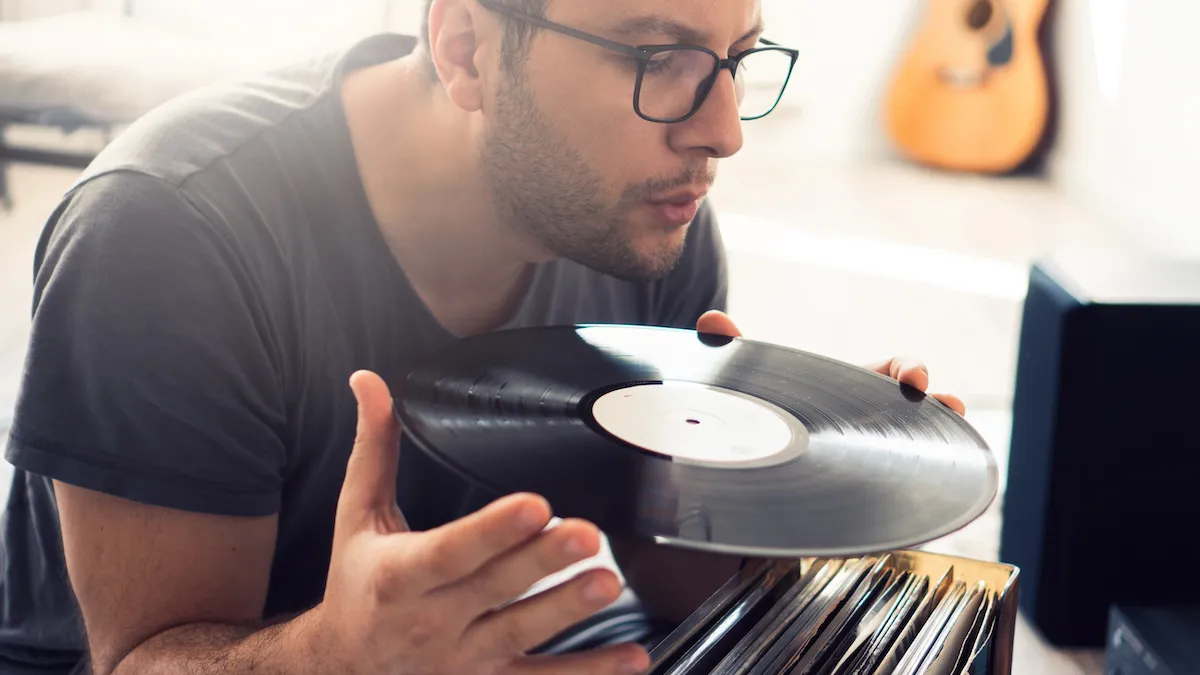
Whether you love The Beatles or Black Sabbath, there’s something very satisfying about lowering a stylus onto one of your favourite records and hearing that glorious music burst into life. But noisy pops and crackles from dust particles, static, and other dirt can quickly spoil your enjoyment, which is why buying one of the best vinyl record cleaners makes a lot of sense.
The good news is that keeping your precious LPs and singles shipshape doesn’t have to become another expensive hobby. OK, so if you’re a serious collector, you might want to shell out for a vacuum or ultrasonic machine that can get deep into your grooves for a thorough clean. However, if you just want a quick wipe-down, you can easily grab a brush or cleaning kit for less than the price of a new record.
I’ve picked out some of the best options below, covering everything from quick everyday maintenance to gratuitous grime busting. Have a read through – after all, if you’ve spent years building the perfect record collection, it’s worth looking after it.
Best vinyl record cleaners: Product guide

Type of cleaner: Ultrasonic
Record sizes: 7, 10 and 12-inch
Drying: Automatic
+ Automatic washing and drying
+ It’s very easy to use
- Probably too much for some
We were big fans of the original HumminGuru here at Louder, so including the newer NOVA in this list was a no-brainer for me. The basic idea is the same: you slot in a record, press a button, and let the machine do the hard graft. But this model has some worthwhile improvements.
It now has three cleaning modes, Quick, Deep, and Heavy, with the 40kHz ultrasonic system ensuring even the most stubborn grime gets dealt with. Drying takes either three or six minutes. Either way, go for a piss, and it’ll probably be finished by the time you get back.
I also like that you don’t need adapters for different-sized records, since the wheels can be adjusted to take 7, 10, or 12-inch vinyl. The lid doubles as a drying rack and record stand, too, which is a minor thing but handy.
It's not cheap, but if you’ve got shelves full of vinyl and you’re forever cleaning them, it might well be your new best friend.

Type of cleaner: Manual wet cleaner
Record sizes: 7, 10 and 12-inch
Drying: Manual
+ It’s cheap compared with powered cleaners
+ It’s easy to use
+ Both sides of the record are cleaned simultaneously
- You have to do the work yourself
- There’s no automatic drying
The Spin-Clean Record Washer MKII isn’t what you’d call sophisticated. It’s essentially a bath for your records, and you provide the power yourself. But hey, it does the job!
Simply fill it with the provided cleaning solution, put your record between the brushes, rotate it by hand, and both sides will be cleaned at the same time.
Once you’re done, take out the record, dry it with one of the supplied cloths and then move on to the next one.
The obvious attraction is the price. You get a proper wet clean without having to spend hundreds on a premium machine, and you also don’t need to use up any electricity since you’ll be doing all the work. Win, win!

Type of cleaner: Anti-static brush
Record sizes: 7, 10 and 12-inch
Drying: N/A
+ It costs peanuts
+ Cleaning takes seconds
+ It’ll deal with dust and static
+ No cleaning fluid is needed
- It only tackles surface dirt
- Stubborn muck could be a problem
Audio-Technica’s AT6013a is the sort of accessory that every record collector should have lying around somewhere. It has two carbon-fibre brushes with a velvet pad between them. Hold it against the record while it spins, and it’ll pick up loose dust while helping to reduce static. That’s useful because static is one reason records attract so much dust in the first place.
Of course, there’s a limit to what it can do. Find an LP that’s spent the past 20 years without a sleeve in someone’s loft, and this won’t get it back to shop-bought condition. It’s ideal for a quick once-over before a listening session, though.

Type of cleaner: Manual wet cleaner
Record sizes: 7, 10 and 12-inch
Drying: Drying rack
+ It offers proper wet cleaning
+ Drying rack included
- It's all done by hand
Knosti has been making record-cleaning gear since the 1970s, so it’s had plenty of time to get it right. The Disco-Antistat Generation II Plus (great name!) is one of the company’s simpler options, all you have to do is put your record in a bath of cleaning fluid and rotate it between a pair of goat-hair brushes. Large label protectors help keep the middle of your record from getting soaked, and once you’re finished, you can place it on the supplied drying rack.
You also get a litre of Knosti’s alcohol-free cleaning mixture, plus a funnel, a sieve and a filter fleece. The latter lets you filter the fluid and reuse it rather than chucking it away after one session.
Yes, this kit involves a bit of messing around, but it does the job well, so it's great value for money.

Type of cleaner: Vacuum/wet cleaning
Record sizes: 12-inch as standard
Drying: Vacuum
+ It’s fast
+ The vacuum is powerful
- Needs a separate kit for 7" records
Made by Pro-Ject, one of the world’s most popular turntable manufacturers, the VC-E2 is a snazzy-looking machine that uses a vacuum, not ultrasound, to clean your records. You apply the provided fluid, let it seep into the grooves, then vacuum it away, removing the loosened dirt at the same time.
It’s a fairly hands-on process, but not particularly time-consuming, with Pro-Ject saying one or two rotations are enough to clean a record. Another plus is the magnetic clamp, which protects your labels from fluid while helping you put records on and take them off.
If a £30 manual cleaner seems insufficient but you can’t bring yourself to buy a HumminGuru, then this is a great compromise. And since it’s fairly compact, it shouldn’t cause too many arguments in the house either.

Type of cleaner: Vacuum/wet cleaning
Record sizes: 12-inch as standard
Drying: Vacuum
+ It cleans quickly
+ It has a powerful vacuum
+ There’s a big tank for waste fluid
- It's a hefty unit
- Other options are cheaper
If the aforementioned VC-E2 looks ill-equipped for the size of your record collection, here’s another Pro-Ject product that may be up to the task. The VC-S3 does a very similar job to its stablemate but is bigger, has a much larger tank, and is designed to handle plenty of vinyl.
Like the VC-E2, the platter spins at 30rpm and, according to Pro-Ject, the vacuum will dry records within two rotations. Like that device, there’s also a magnetic clamp to keep cleaning fluid away from the label. The big difference is in the capacity. The VC-S3 has a 2.5-litre waste tank, compared with 0.5 litres on the VC-E2, so you won’t have to keep stopping to empty it if you’re cleaning a big batch of records.

Type of cleaner: Vacuum/wet cleaning
Record sizes: 7, 10 and 12-inch
Drying: Vacuum
+ It’s easy to operate
+ The vacuum is powerful
- It’s not particularly compact
- You have to apply the cleaning fluid yourself
Its name might sound like something a Teletubby might say, but the Okki Nokki ONE-DV is a serious record cleaner. Plus, it’s a piece of cake to use, with a single control button and a platter that rotates in either direction. Apply the cleaning fluid, give the record a clean, and the vacuum will take care of sucking the dirty fluid back off again. It doesn’t matter whether you want to clean 7, 10, or 12-inch records, it’ll handle the lot.
The ONE-DV isn’t cheap, and it requires some manual work, but the controls are about as straightforward as you could hope for, and vacuum cleaning is much quicker than leaving wet records sitting in a rack. Plus, you get a decent amount of kit, including a seven-inch platter, a microfibre brush, cleaning fluid, and a transparent dust cover.

Type of cleaner: Ultrasonic/brush wet cleaning
Record sizes: 7, 10 and 12-inch
Drying: External drying rack
+ It uses both ultrasound and brushes
+ It does a thorough job
+ It’s handy for cleaning big collections
- It’s expensive
- It doesn’t dry records automatically
This device is quite different to the manual Knosti mentioned further up the page. For starters, it costs a lot more. But it also combines two cleaning methods rather than relying on one, the Disco-Antistat Ultrasonic 2.0 using 46kHz ultrasound alongside a pair of goat-hair brushes. While that’s going on, a filtration system removes dirt from the cleaning fluid.
One thing you don’t get with this machine is automatic drying. Knosti supplies a drying rack instead, so once you've cleaned one record, take it out, put it on the rack, and start on another. It’s a mild faff, but nothing to get too upset about, especially since this mighty machine will leave your records looking impeccable.

Type of cleaner: Ultrasonic
Record sizes: 12-inch; adapters available for 7 and 10-inch
Drying: Automatic filtered-air drying
+ It offers powerful 120kHz ultrasonic cleaning
+ It’s fully automatic
+ As the machine cleans, the water is filtered
- It’s more advanced than most people need
The Degritter MARK II costs the sort of money that could otherwise buy you a very nice turntable. But if you’ve got a collection valuable enough to justify it, then this is about as serious as record cleaning gets.
Four ultrasonic transducers operate at around 120kHz, with frequency sweeping and a Pulse Mode that gives particularly dirty records a proper going-over. The machine continuously filters the fluid, and temperature monitoring stops the water from getting too hot.
To be honest, a manual cleaner costing a fraction of the price will be perfectly adequate for most record collections. But if you own a large number of collectable LPs, then the Degritter MARK II should take pride of place in your home.
How to choose

When it comes to vinyl records, you don’t really have a choice as to whether you clean them or not. Simply put, if you don’t bother to do it, those albums and singles you spent a small fortune on will soon start to sound muddier than a pig pen in winter. I know this because I've been guilty of neglecting my vinyl.
However, you do have a choice as to how you clean your records, though, and the option you go for will likely depend on a number of factors.
The first of these is your budget. Obviously, if you're simply looking to give your collection a quick spruce up, then you’re probably not going to spend hundreds on the latest ultrasound or suction machine.
Even if you do have the money for one, you might not want something as bulky as that cluttering up your home. The other thing to bear in mind with such products is that they use up electricity. On the plus side, these units do a thorough job – and a quick one – making them an efficient solution.
Much cheaper are the non-electric machines, such as the Spincare vinyl record cleaner kit, and the hand-cleaning kits, which tend to include a fluid of some description, an anti-static brush and/or cloth, and a few other bits and pieces that the manufacturer deems necessary for the job (and which won’t bump up the price too much). These also do a pretty thorough job, though they’re obviously not as convenient – or indeed as cool – as one of the swankier contraptions.
FAQs

How can I stop my records getting dirty?
This is easier said than done but there are ways you can limit the amount of grime that ends up clogging up the grooves on your records. For starters, handle your records with care. Never touch the grooves, instead hold the record at its edges. If you do get any finger prints or dirt on the playing surface, wipe away gently with a soft, clean cloth.
Storing your vinyl properly is another way to keep the grime at bay for longer. When I'm not playing a record I keep it in a dust cover inside its sleeve and store it in a built-for-purpose vinyl storage unit that's in a cool dry place and away from direct sunlight.
And this is a good tip generally: store your vinyl upright when it's not in use to prevent warping.
How often should I clean my records?
Clean them when they need cleaning. A record handled carefully, kept in a decent inner sleeve, and stored properly shouldn’t need more than a quick dusting every now and again. One that’s regularly handled or bought second-hand may require more maintenance. Check the surface and listen to how it sounds. Fingerprints, visible dirt, and more noise than you’d expect are all telltale signs.
Can cleaning get rid of pops and crackles?
Some of them, yes. Dust and dirt in your grooves can cause noise, and static can too, so a good clean can sometimes make your music sound much better. Scratches are another matter. Cleaning can’t repair damaged vinyl, no matter how expensive the machine.
Can I clean vinyl with tap water?
I wouldn’t recommend it unless your cleaner's manufacturer says you can. Tap water contains dissolved minerals that can be left behind as it evaporates. I would also avoid washing-up liquid, as it can contain fragrances, moisturisers, and other additives you don’t want clogging your grooves. Stick with a proper record-cleaning fluid, and you can’t go far wrong.
Vinyl cleaning glossary
Record cleaning isn’t especially complicated, but manufacturers tend to use technical jargon that’s more confusing than it needs to be. Here’s what some common terms actually mean.
- Anti-static: Something that’s designed to reduce the static charge on a record. Static attracts dust, which is why a freshly cleaned LP can sometimes look dirty again very quickly.
- Carbon-fibre brush: A brush with very fine carbon fibres that picks up dust and reduces static. They’re mainly for quick, everyday cleaning rather than removing stubborn muck from your grooves.
- Cavitation: The process an ultrasonic machine uses to clean records. Sound waves create tiny bubbles in a liquid that rapidly form and collapse, helping loosen dirt in the grooves.
- Cleaning fluid: This one is fairly self-explanatory. A word of caution, though – machines can require different types of fluid, so check the instructions rather than pouring any old liquid in.
- Dry cleaning: Cleaning without liquid, usually with a carbon-fibre or velvet brush. This method is good for removing loose dust before playing a record. It’s unlikely to budge ingrained dirt that’s been clogging up your grooves for the past 10 years.
- Grooves: The shallow spiral cavities that run around a record. Your stylus follows the tiny variations in that groove and turns them into the music you hear, which is why you should avoid any build-up of dirt.
- Static: An electrical charge that can build up on vinyl, especially in dry air. It can also attract dust and cause noise.
- Surfactant: An ingredient in some cleaning fluids that reduces water's surface tension. Put simply, it helps the liquid spread properly and get into the grooves rather than sitting on top of the record in blobs.
- Ultrasonic cleaning: A cleaning method that uses high-frequency sound waves in liquid. The resulting cavitation helps lift dirt from inside the grooves without you having to scrub the record.
- Vacuum cleaning: Cleaning fluid is applied to the record, does its job, and is then sucked off by a vacuum system, taking the loosened dirt with it.
- Wet cleaning: Basically, any record-cleaning method that involves liquid. That could be anything from a cheap manual bath to an expensive automatic machine.
How we choose the best vinyl record cleaners

Here at Louder, we are music lovers and experts in our field, with many years of music listening and product testing between us. We live and breathe everything music related, and we draw on this knowledge and experience of using products when selecting the recommendations for our guides.
When choosing what I believe to be the best vinyl record cleaners available right now, I combined my hands-on experience, with user reviews and testimonies and engaged in discussions with my editorial colleagues to reach a consensus about the top products in any given category.
First and foremost, we are all music fans, and we all want others to find the right product for them. I took careful consideration into everything from budget to feature set and ease of use to come up with a list of what I can safely say are the best vinyl record cleaners on the market right now.
Why you can trust us

⚡ Louder was established in 2017 and founded on long-running brands including Metal Hammer, Classic Rock and Prog (launched in 1986, 1998 and 2009 respectively)
⚡ Over 80,000 products reviewed on site, from music listening tech to albums and box sets
⚡ Our reviewers are all passionate music fans who draw on decades of testing experience
Louder’s reviewing team consists of music fans, musicians and professional product testers, who between them have accumulated decades of product reviewing experience, writing thousands of words on music listening gear across thousands of reviews on Louder. Our tests also inform our buyer's guide - just like this one.
As lifelong music fans, we're serious about the tech we listen to our favourite artists on. We want them to sound incredible, giving us all the detail those bands intended us to hear, and deliver the perfect balance of bass, mids and highs. We're looking for pure immersion in our chosen sounds, whether it's a classic '70s rock album, or a cutting-edge noise band.
Meet the experts

Paul has spent the past nine years testing and writing about gadgets and technology for the likes of Louder, T3 and TechRadar. He might not have the wealth or the looks of Tony Stark, but when it comes to knowing about the latest cool kit, Paul would surely give Iron-Man a run for his money. As for his musical leanings, Paul likes everything from Weyes Blood to Nirvana. If it's got a good melody, he's on board with it.

Chris Barnes is the eCommerce Editor for Guitar World, MusicRadar and Louder, and is also a drummer. With the sound of crash cymbals permanently ringing in his ears after 20+ years of playing, and with 26 years of attending and playing live gigs under his belt, he knows the importance of quality ear protection and has used everything from free foam earplugs to custom moulded in-ear monitors.
Latest updates
19/10/26: This guide has been fully updated with all new products, new FAQs, and images. 07/08/25: The guide has been updated and includes four new products: HumminGuru Ultrasonic Vinyl Record Cleaner, Spincare Vinyl Record Cleaning Kit, Pro-Ject Brush IT Record Cleaner and the Xq Xiao Qiao vinyl brush. A new section on why you can trust the Louder team has been added, and there's also now a "meet our experts" section so you can get to know the faces behind the creation of this guide.
Read more
You can trust Louder Our experienced team has worked for some of the biggest brands in music. From testing headphones to reviewing albums, our experts aim to create reviews you can trust. Find out more about how we review.
- 9 cheap upgrades you can make to improve your vinyl setup
- Best Bluetooth turntables: put a modern spin on your records
- How to properly set up a record player: Get the most from your system
- Direct-drive vs belt-drive turntables: What's the difference?
