


In 2016 Jethro Tull mastermind Ian Anderson reflected on the history of 1972 album Thick As A Brick, and expressed doubts over how it connected with American fans who took it to the top of the charts.
The music for Jethro Tull’s 1972 album Thick As A Brick was just part of the ambitious concept the band put together, leading to a Number One chart position in the US and Number Five in the UK.
Almost of equal importance was the cover, which was in effect a 16-page newspaper called The St. Cleve Chronicle & Linwall Advertiser, which was a spoof of the sort of local press prevalent around the UK at the time.
“That was a massive undertaking,” says Ian Anderson. “Fortunately Roy Eldridge, our A&R man at the label, had worked as a journalist on local papers; so we drew on his experience. We put together a lot of silly stories and also used lyrics from the album itself. We got the road crew, label people and girlfriends to pose for photos.”
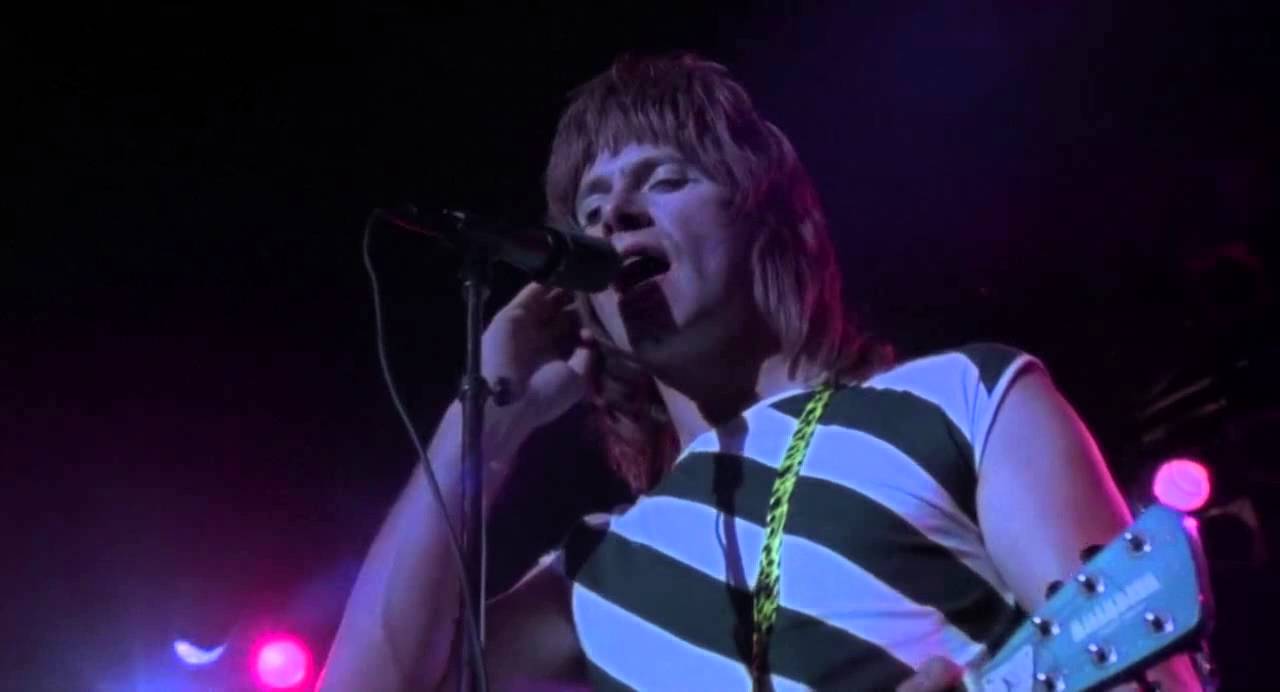
One of the characters was Derek Smalls – a name which emerged over a decade later as the bassist with the fictional heavy metal band Spinal Tap. “I was convinced that Harry Shearer must have gotten the name from Thick As A Brick, especially as the Smalls in the film smoked a Peterson pipe,” Anderson says.
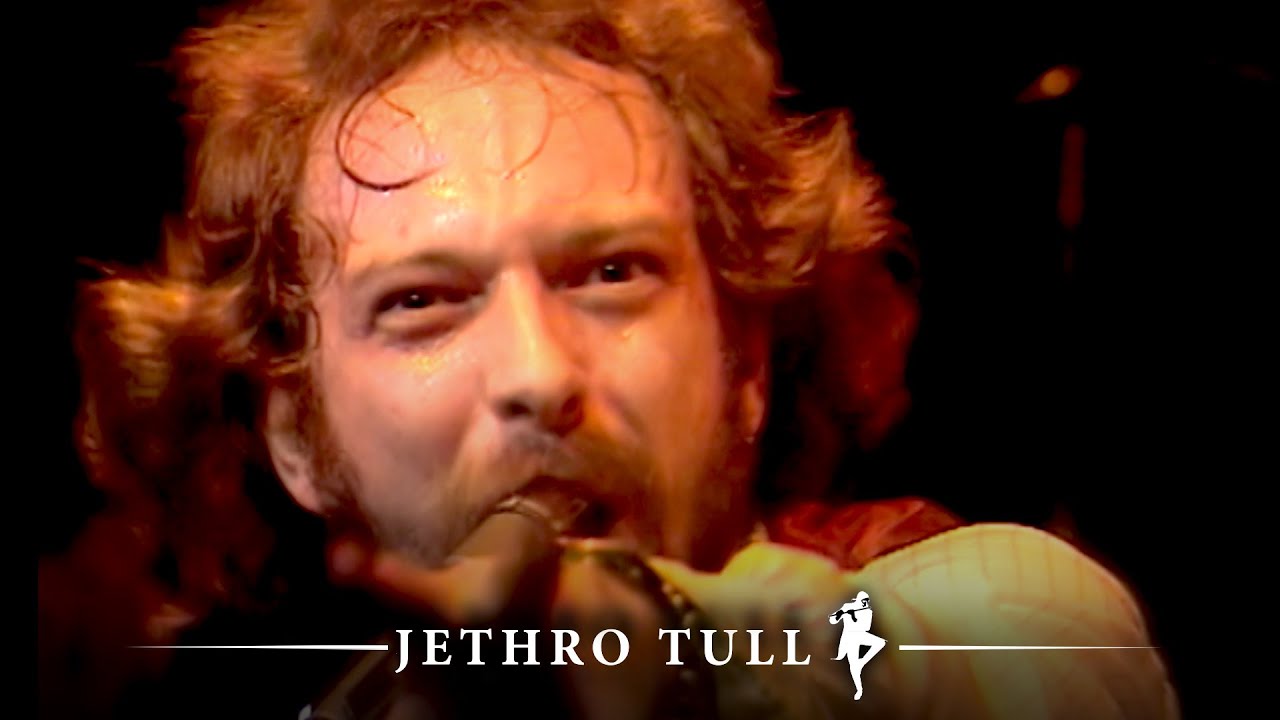
“The only three people I know in rock’n’roll who smoked such a pipe were all members of Jethro Tull! But when I got the chance to interview Harry for a US TV show, he denied ever hearing Thick As A Brick. I find that somewhat hard to believe.”
The album did receive cultural recognition in the States when it was featured in an episode of The Simpsons – featuring Shearer among the cast. In the 2006 episode Girls Just Want To Have Sums, the character Martin Prince sings a part of TAAB, and the original part is used over the end credits.
“I must admit to being a little surprised that we got to the top of the charts over there,” says Anderson. “But everything had been building for us. Aqualung sold steadily, so either Thick As A Brick was going to take off, or we’d just sink.”
He continues: “I’m not sure our American fans understood the humour behind the performances on the subsequent tour. We decided to bring all the characters on the album and in the newspaper to life. It was quirky, very British; we weren’t trying to be comedians, just to enhance the concept. The rest of the band got the chance to step outside of their dapper personae. we had a laugh!
“But in the US – all I can say is that I’m none too certain they understood what we were doing. I recall a few years later when the film Monty Python And The Holy Grail was released. I’d helped to finance it, and I saw a preview in New York. The audience laughed in all the wrong places, which was what happened with Thick As A Brick live.”
That comes down to the basic premise of progressive rock, as far as Anderson is concerned. “It’s is a purely British phenomenon. These days all of us – and I include the likes of ELP here – know there was a sense of fun about it. Privately we all saw the silly side; we were like John Cleese in a bowler hat, lampooning the bureaucrats while revelling in it.”
Any spoof done well enough enhances both the perpetrators and the intended victims – just like Spinal Tap did. But surely, if it’s done too well, it becomes indistinguishable from the real thing. How does Anderson react to the fact that Thick As A Brick is frequently cited as the ultimate prog rock album?
“Job done, I’d say. We set out to make the mother of all concept records. If that’s the way people see the album after all these years, then we achieved the ambition.”

