


In 2014, Manfred Mann looked back with Prog on a career loaded with hit singles but also massive flops, and insisted he’d made a mess of his 1983 anti-apartheid album, which was greatly outdone by Paul Simon’s Graceland three years later.
In the early 80s Manfred Mann’s Earth Band went out on a limb by releasing Somewhere In Afrika, which used indigenous South African musicians and sounds to highlight to evils of apartheid. It predated Paul Simon’s celebrated Graceland by more than three years. Yet it’s typical of the Earth Band’s profile that such musical innovation seems to have been ignored over the years.
“That’s because Paul Simon did it better than we did,” Mann states. “I chose to tackle apartheid because it’s a subject close to me, having grown up in South Africa.
“I was even refused entry to the country at the time because of my views. The other guys in the band went out and got a lot of local musicians involved. Yet what ultimately mattered to me wasn’t making any political statement, but how these sounds worked musically.
“In the end I messed up this so-called concept album. It has a cover of Bob Marley’s Redemption Song in the middle of the second side, which was supposed to be all about South Africa.
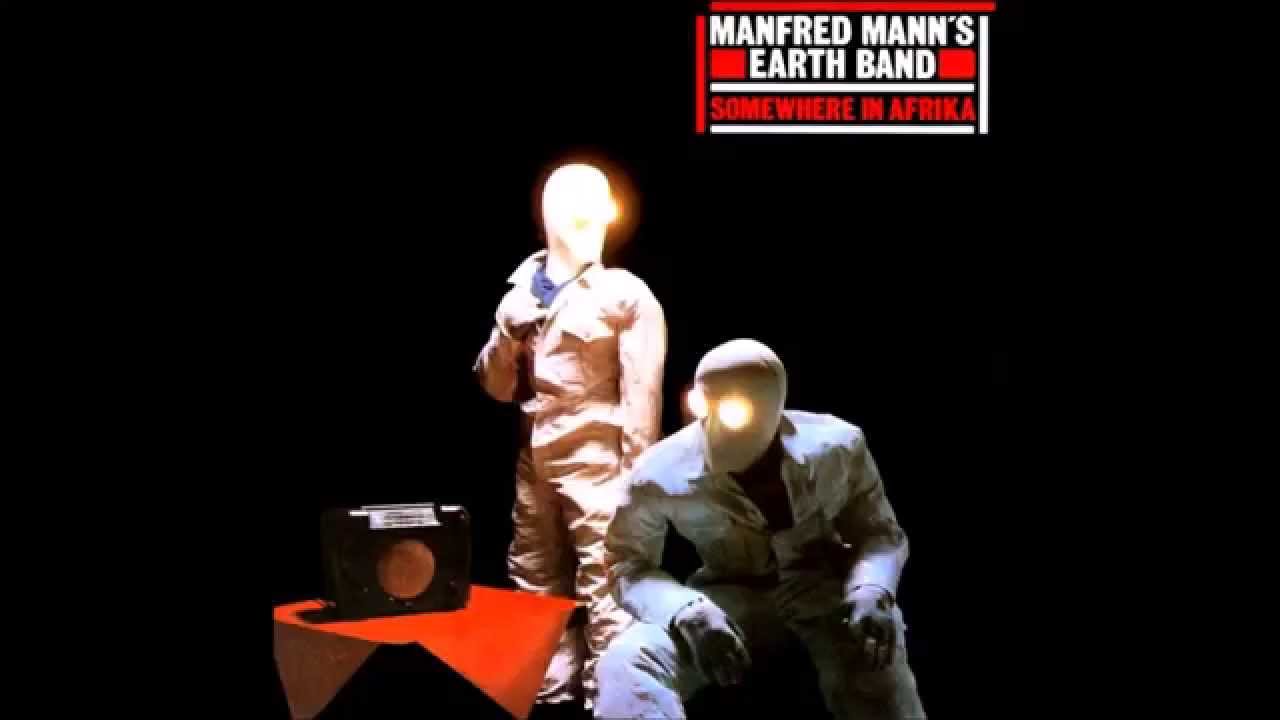
“I do ask myself why I did it. It’s the usual thing with me – take a good idea and dilute it. So if anyone says Somewhere In Afrika deserves more respect, I just tell them it doesn’t, because it’s not good enough.”
Mann has little time for his back catalogue. “Have we done a classic album? No. People mention Solar Fire or The Roaring Silence. But are they really classics? At best they’re half decent.”
Perhaps that’s what keeps him active even now: the search for an album he’ll be proud of? “No, I just enjoy playing. Even if nobody else cares, then I’m happy playing for myself.”
Between 1964 and 1969 Mann scored 13 top 10 singles in the UK. He’s bewildered by the criticism his bands have received over the years for recording covers of other people’s songs rather than writing their own.
I’m the first to admit that I’m just not very good at writing songs
He points out that no one called out Frank Sinatra, Elvis Presley or philharmonic orchestras for performing covers, and wonders why his own projects draw such ire.
“I’m the first to admit that I’m just not very good at writing songs,” he says. “Why should we write our own songs when we could do so much better in taking other people’s and adapting them to what we did?
“All I would say to anyone who has a problem is that they should be grateful we don’t write songs. They’d be terrible.”

