


In 2025 Genesis finally released the long-awaited reissue of 1974 concept masterwork The Lamb Lies Down On Broadway – and it proved to have been worth the wait. Prog writers voted it the best reissue of the year, and here are just a few reasons why.
The 1970s were the heyday of the progressive rock concept album. But although they were less numerous than one might assume, some – particularly Jethro Tull’s allusive rites-of-passage saga Thick As A Brick and Yes’ Tales From Topographic Oceans, inspired by Hindu philosophy – cast a long shadow. Rick Wakeman played on the latter and chipped in with a few himself, including Journey To The Centre Of The Earth, based on Jules Verne’s novel.
But The Lamb Lies Down On Broadway was bigger, stranger, more ambitious and more original than its peers, as Genesis created a world that excites, stimulates and perplexes to this day – which is why Prog voted it the No.1 reissue of 2025.
“I’m delighted,” Peter Gabriel said. “A big thank you to Prog magazine. It was always a difficult item to digest, and was released to mixed reactions, so it’s been heartwarming to see how people have grown to love it over time, and see it as a pivotal moment for early Genesis.
“The wonderful Bob Mackenzie did an amazing job with the Atmos mixes, with a little guidance from Tony and I. Marc Bessant, Matt Osborne and Kris Maher lovingly put together the package. You can always taste when something has been made with love and affection. Long live The Lamb!”
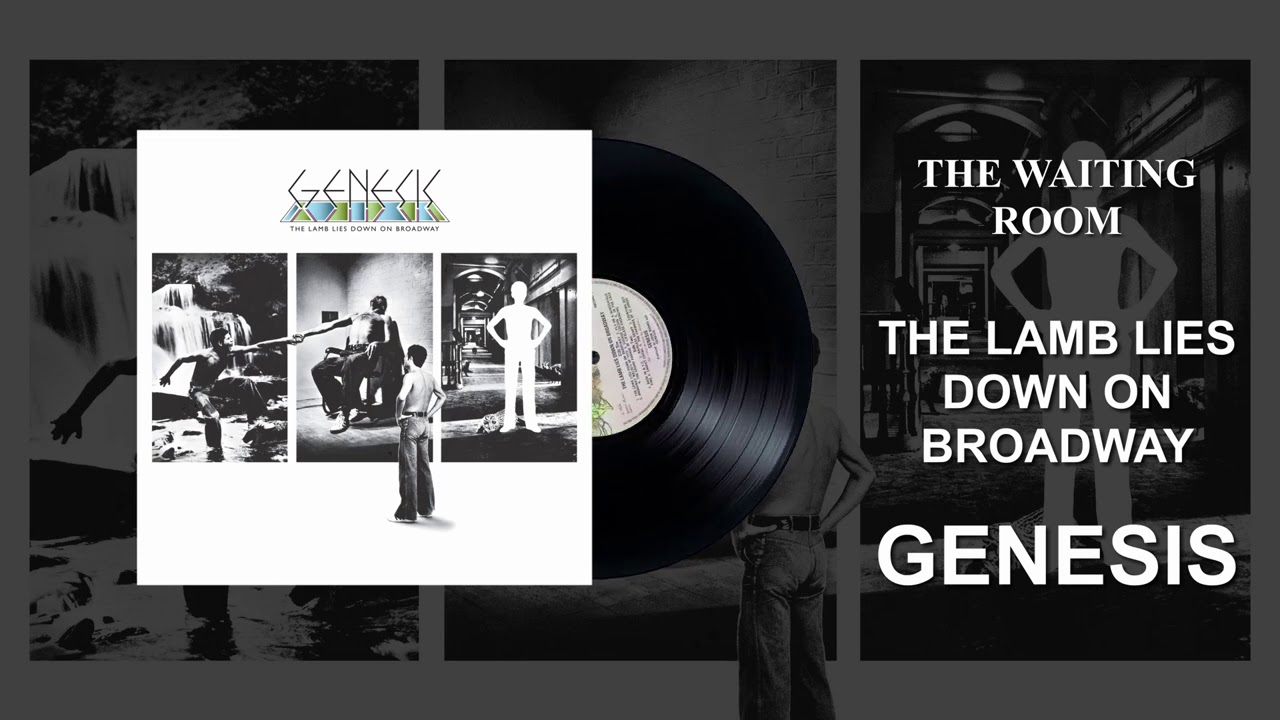
The story begins with New York street kid Rael looking on as ‘The wall of death is lowered in Times Square,’ apparently the only person who can see the city morphing into an alien psycho-geographical landscape. The Lamb just happens to be there; a catalyst – a red herring if you like. He travels through a disorientating series of tableaux, full of menace and dark humour.
Gabriel’s lyrics explore Rael’s bonds with his brother John, a mercurial figure hovering on the edge of the action. He’s tortured in in The Cage; narrowly escapes a meeting with Death itself; has a number of sexual experiences with varying degrees of success, including with the snake-like Lamia; and is transformed into a hideously deformed Slipperman.
Rael has his penis amputated, as does John. Finally – and no spoilers, because none of this is exactly clear-cut, even with Gabriel’s copious sleeve notes – Rael seems to assume his brother’s identity.
Despite the story’s anti-logic, one can empathise with the lead character, particularly when he’s stuck in the existential maze of The Chamber Of 32 Doors. Gabriel makes him sound desperate and lost, singing, ‘Down here I’m so alone with my fears/And every single door that I walk through leads me back here again.’
There are so many ideas packed into The Lamb that it’s invited comparisons to Lewis Carroll and Franz Kafka or the allegorical stories in John Bunyan’s Pilgrim’s Progress and Dante’s Inferno. Guitarist Steve Hackett reckons it “owed a bit to Dostoevsky – the redemptive qualities of those journeys and sojourns.”

Hackett revived a number of songs from the album for his 2024 tour. “The Lamb Lies Down On Broadway was ahead of its time, imaginative and very well written,” he says, “which is why I think it has stood the test of time for 50 years.”
At 94 minutes it’s a bit long, and the second half is less consistent, but you get three quality sides – a good hit rate for any double. That’s feature film length, and its cinematic feel is enhanced by the black-and-white photos on the Hipgnosis-designed gatefold cover, which evoke the uncanny atmospheres of the Orson Welles films The Trial (Kafka again) and A Touch Of Evil.
Gabriel wanted Alejandro Jodorowsky to direct a film version, and the Chilean avant-garde filmmaker’s influence can be felt in the album’s surreal imagery and sexualised content. Jodorowsky was a mime artist too, and it may be more than coincidence that he wrote one of Marcel Marceau’s most famous mime routines, The Cage.
Rael’s apprehension is reflected in a convulsive free improvisation, which originated when the musicians tried to scare each other
On closing song It Gabriel sings, somewhat defensively, ‘If you think that it’s pretentious, you’ve been taken for a ride’ – a jibe popular among prog-averse music journalists. But then his thanks-to credits include both John Keats – whose poem of the same name inspired the song The Lamia – and Greek sophist philosopher Philostratus, who’s linked to a character in Keats’ poem. Pretentious, perhaps, but let’s call it pioneering instead.
The Lamb also contains Genesis’s most adventurous music. The rhythm section of Phil Collins and Mike Rutherford is exploratory throughout, while Hackett and keyboardist Tony Banks’ contributions range from textural to virtuosic. On The Waiting Room, as Rael is set to meet Death, his apprehension is reflected in a convulsive free improvisation, which originated in rehearsals at Headley Grange when the musicians tried to scare each other.

The group’s template was also expanded on the eccentric, pseudo-oriental Arrival and the impressionistic Ravine. Brian Eno treated Gabriel’s vocals on some songs; and in an odd twist, serene instrumental Silent Sorrow In Empty Boats predicted the sort of musical still-lifes that Eno would create on his 1975 album Another Green World.
Which leaves us wondering what Genesis might have gone on to achieve had Gabriel not left in 1975. However, this was ultimately a group effort – Gabriel’s solo material became much smaller in scale, while Genesis subsequently produced much high-quality, if less challenging, music.
A creative high point for all concerned; but its extravagant size and continuous narrative have made it something of an outlier
The Lamb was a creative high point for all concerned; but its extravagant size and continuous narrative have made it something of an outlier, although its kindred spirits include Motorpsycho And Ståle Storløkken’s 2012 double The Death Defying Unicorn – A Fanciful And Fairly Far-Out Musical Fable; and Big Big Train just released their hour-long narrative concept album Woodcut.
With its zooming synths and exultant guitar hooks, big finale It feels rather at odds with what’s gone before. It’s also full of non-sequiturs and obscure clues as to what ‘it’ is, with overtones of 70s sexual innuendo, such as ‘It is chicken, it is eggs, it is in between your legs.’
At the fade Gabriel parodies the Rolling Stones, singing, ‘It’s only knock and knowall, but I like it.’ On The Lamb, the band who started out as a teenage pop collective in 1967 certainly took knock and knowall as far out as they ever would.
The 50th anniversary edition of The Lamb Lies Down On Broadway is on sale now.

