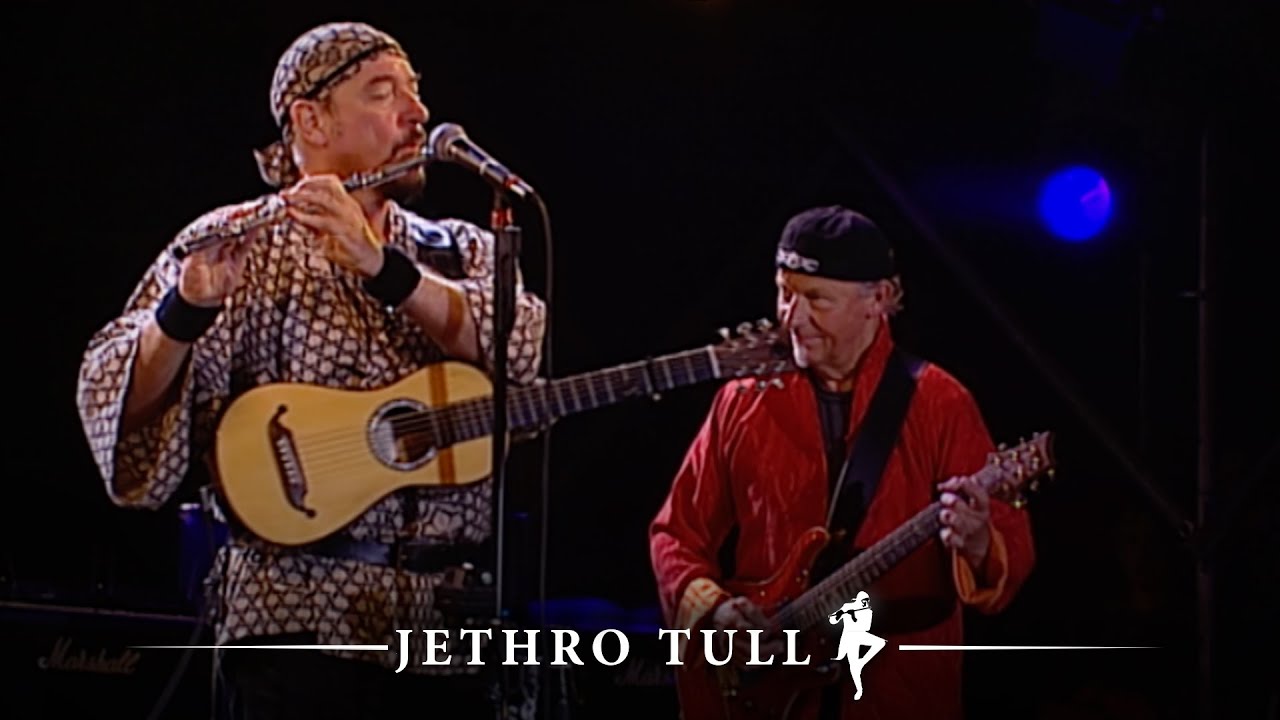


In 2021 Ian Anderson published Silent Singing, a book containing 300 sets of lyrics from his catalogue. While admitting he wasn’t sure if anyone wanted it, the Jethro Tull mastermind told Prog that, to his surprise, putting it together hadn’t been a cringe experience.
If the pandemic was good for anything, it was freeing up time to finish off long-postponed projects. One that finally saw the light of day was Silent Singing, an illustrated book containing 300 lyrics spanning Jethro Tull leader Ian Anderson’s whole career.
“Many times in the last 20 years I thought it would be good to do a lyric book,” he says. “Because on many of the album covers – and this is my responsibility – there are typos and mistakes and lyrics that got typed out in a back office of the record company from my scribbled notes, or from trying to decipher what I was singing from the record, and they weren’t always accurate.
“I should have paid more attention at the time, but there’s lots of little discrepancies. And then on the internet they get amplified and copied and pasted endlessly, with sometimes hilarious deviations and mishearings of words. I can only blame myself for bad diction and lack of attention.
“So I thought it was a good idea to put all of this right and assemble the book. I mean, it’s a vanity project – nobody, nobody needs it. But I thought, ‘I just want to get it all right and put it all in one place.’”
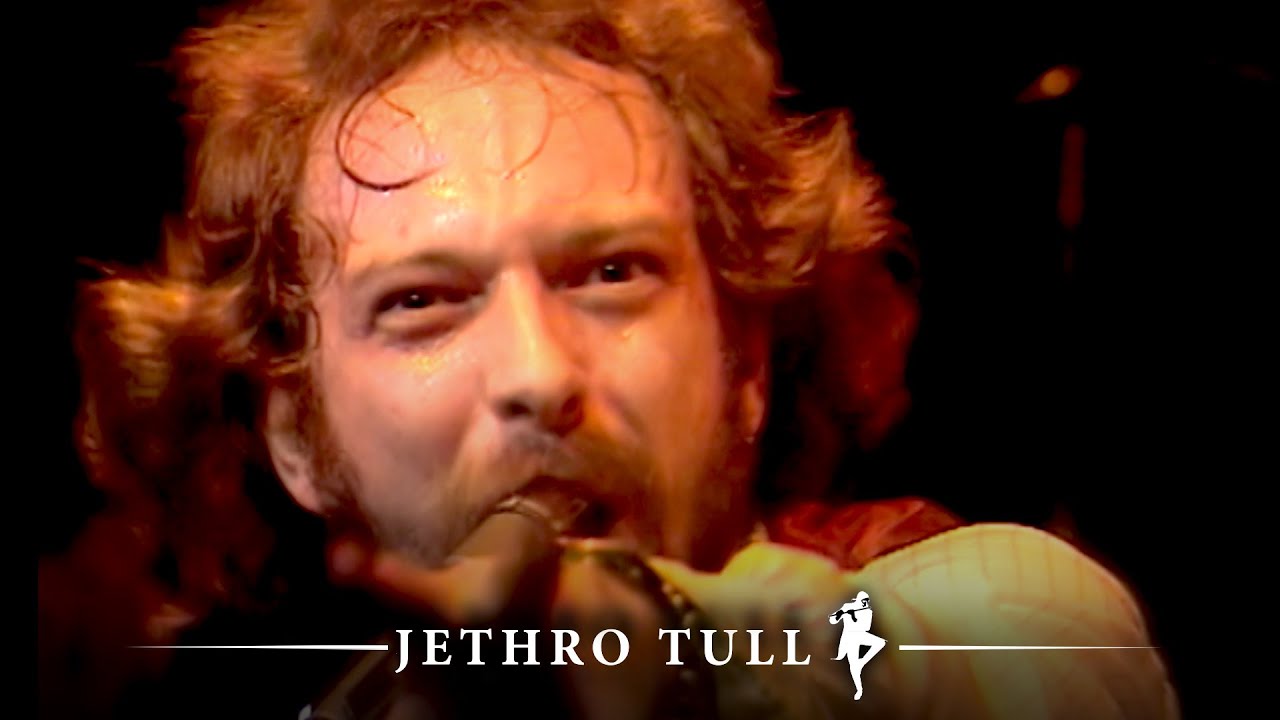
Anderson points out that lyrics can prove the starting point for the songwriting process, just as surely as riffs and musical ideas can. “I remember Thick As A Brick began with one line popping into my head: ‘I really don’t mind if you sit this one out.’ I wrote it on a piece of paper in a hotel room somewhere on tour, and I thought, ‘That’s an album!’
“Or the song Budapest from Crest Of A Knave. I remember writing that at about six in the morning in Hungary after our first ever show there [in July 1986], before the end of the Cold War. I cast my mind back to the night before, and the vision of a girl who came to put drinks and sandwiches in the refrigerator in our dressing room; the promoter told me about her.
“The first thing I wrote was, ‘I think she was a middle-distance runner.’ And she was – she was a trainee athlete for the Hungarian Olympic team. Sometimes it can be just a little line that pops out of nowhere and you think, ‘I can build upon this – I can make a story, put leaves on the bare branches of this tree.’”
So did he end up wincing at any youthful poetic missteps? “Well, I surprised myself – there were probably only two or three real turkeys! I felt quite proud of the lyrics given the context of the time and the music around which they were written. They weren’t too bad at all.
“Whereas I thought when I started the project that I’d find it very difficult, because I’d be confronted with the naivety or the silliness or even the embarrassment of lyrics that I’d cringe at as an older man today. Largely, the reverse turned out to be the case. All except maybe two or three. And no, I’m not going to tell you which ones they were!”