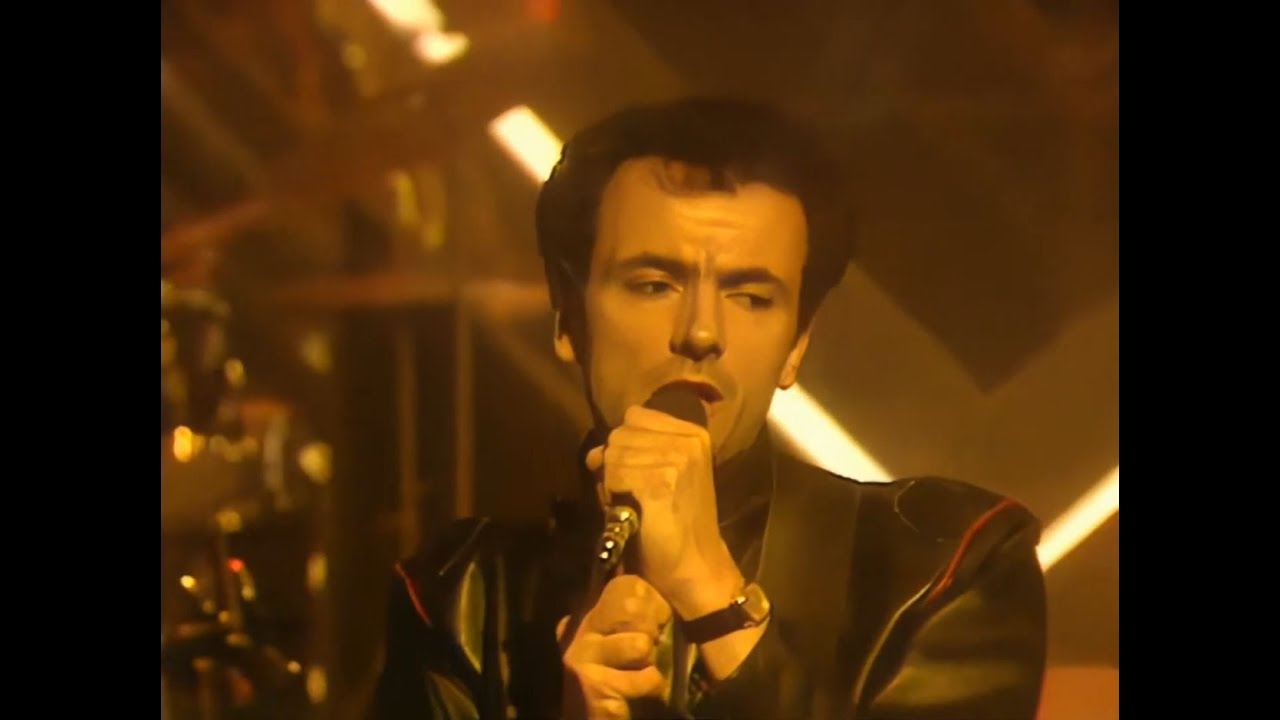


In 2012 Prog got genre icon Rick Wakeman together with Stranglers bassist Jean-Jacques Burnel to discuss the mid 70s music revolution. In doing so we put some of the myths of the era to bed – and Burnel revealed a very interesting fact about a very unusual Stranglers song.
“When something new comes along, everyone wants to be a part of that peer group, to the extent that they’ll deny their history. It’s only when they’ve gained some confidence that they can start to admit where that history actually came from. Up until that point it’s almost politically incorrect to admit your influences.
But you can tell by just listening to the music. On our first album, the nearest thing we had to a prog rock song was this four-part piece called Down In The Sewer. That was about 11 minutes long and it was a suite. Prog rock, essentially, even if it was prog à la Beefheart and The Doors.
We used to laugh at things like Pink Floyd taking years to make an album. But we’ve just taken two years to make our latest album Giants! The creative process can take time – you’re not on an assembly line, and you have a life outside of the band as well.
Worlds did occasionally meet: Freddie Mercury bumping into Sid Vicious in the studio; members of Led Zeppelin turning up to punk gigs. Our keyboard player, Dave Greenfield, was a prog rocker. When I met him he had platform boots, his jacket had frills, and he had long hair and what we called a semi-pro moustache. He introduced me to In The Land Of Grey And Pink by Caravan. I did like that.
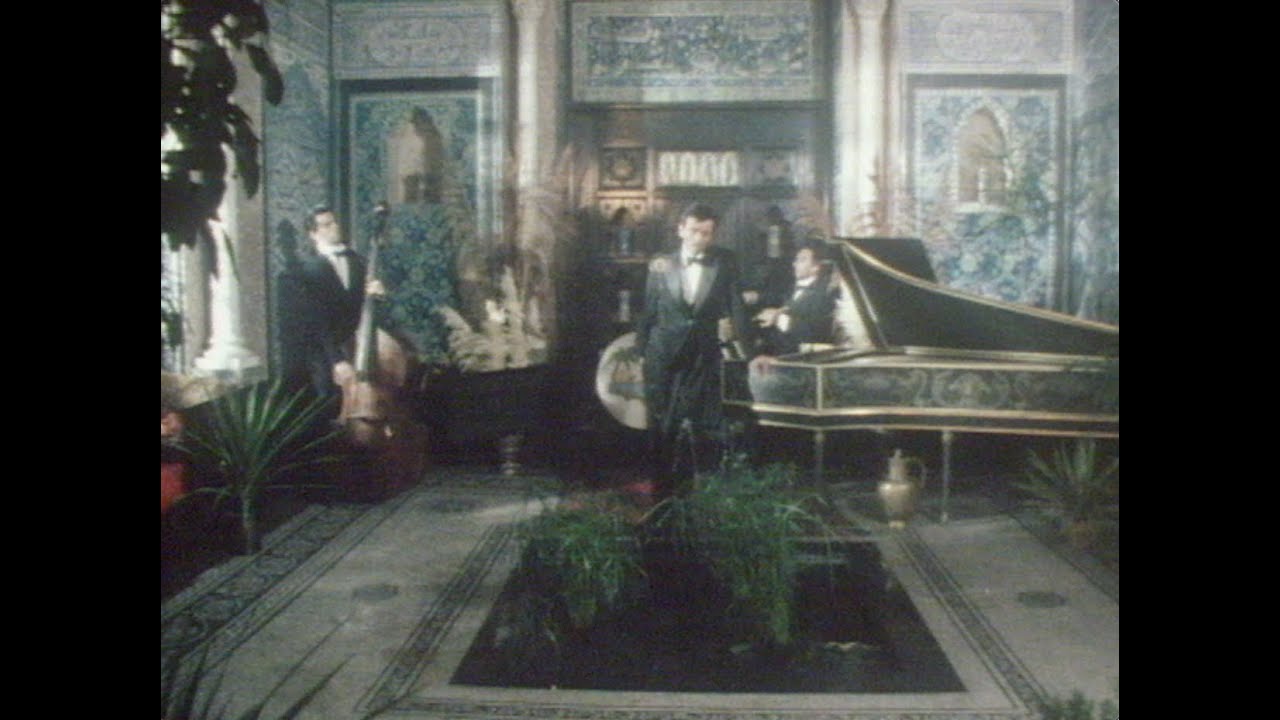
I’ll tell you something about Golden Brown that I’ve never told anyone before: it actually developed out of a prog rock suite. We were recording the La Folie album. Hugh Cornwell and I were pissed off because we seemed to be writing all the songs.
So we said to Jet Black and Dave, ‘Right, you two are going to write a song. We’re off to the pub. Have it written when we get back.’
We fucked off to the pub all afternoon. Now, with Dave being a prog rocker and Jet being a jazzer, when we got back they presented us with this six-part piece of music.
And we were like, ‘Fucking hell, we can’t record this!’ We went, ‘Don’t like that bit… don’t like that… oh, wait a minute, we could something with that!’ And the part we did like formed the basis for Golden Brown.
Have you seen these re-runs of Top Of The Pops from 1977 on telly? What a load of shite! It’s like karaoke central. But it certainly was fun. I knew a year later that things were changing – I had a bank account, and I went in and the teller was a young girl with streaks of green in her hair. The great British assimilation had begun.”