

In 2020 Prog asked Geoff Downes to name his keyboard hero, and the Yes / Buggles / DBA man chose ELP icon Keith Emerson. In addition, we provide a handful of Emerson’s moments that help state Downes’ case.
“I first saw Keith Emerson when he played at the Isle Of Wight Festival with The Nice in 1969. And he was outrageous. He made me want to do what he did. For me, he was the first frontman who played keyboards. And seeing what Keith was doing made me realise that there was a role for a keyboard player in rock music.
Keith was such an exhibitionist who was also a brilliant soloist. He took the art of playing keyboards to a whole new level, one I’d never dreamed could exist.
He showed it was possible to combine amazing musical talent with an understanding of the need to be an entertainer. What Keith Moon did on the drums with The Who, Keith Emerson did on the keyboards – which was important to someone like me.
I love the way he interpreted classical style compositions like America and The Thoughts Of Emerlist Davjack in The Nice. Keith was one of those who helped to shape prog as we know it today. If you take out what he did, then the genre would be much poorer. He was a pioneer.” Geoff Downes
Rondo
One of Emerson’s abiding musical heroes was jazz legend Dave Brubeck. In this adaptation of the Brubeck classic from The Nice’s 1967 debut album, The Thoughts Of Emerlist Davjack, not only did he get the chance to express his admiration for the man, but also developed his own slant on the work, adding inflections of classical moments. It was typical of Emerson’s ability to diversify within a composition without ever sounding pretentious.
Intermezzo From The Karelia Suite
Emerson’s reputation was partly built on his abiding ability to take a well established piece of classical music, and make it relevant to rock fans without losing the integrity of the original. Intermezzo From The Karelia Suite, from The Nice’s second album, Ars Longa Vita Brevis, found him tackling Sibelius with virtuoso passion. It remains one of his greatest achievements.
America
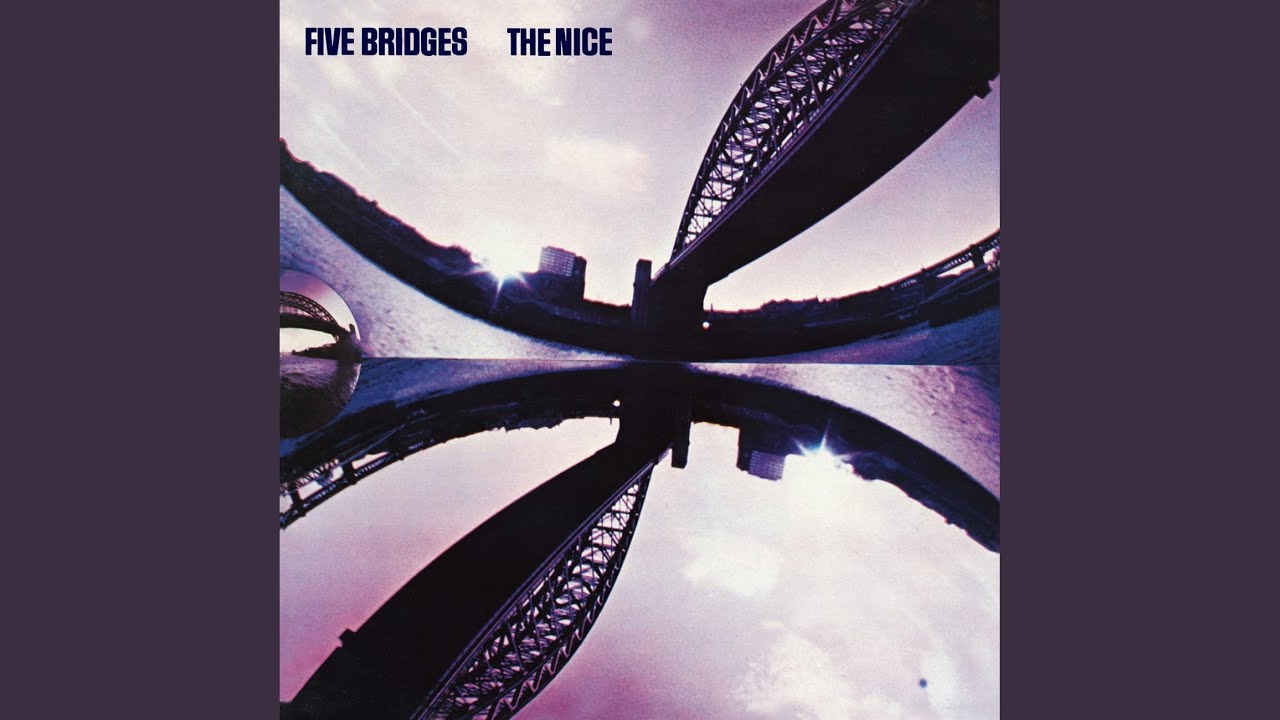
The Nice’s instrumental version of the showstopping number from Leonard Bernstein musical West Side Story was their most notorious moment. Live, Emerson attacked his keys with knives, but it was the song’s live premiere that would go down in infamy, thanks to the keyboard player burning the Stars & Stripes onstage, to howls of outrage. It still retains its incredible, rampaging energy today.
The Barbarian
As with The Nice, so with ELP, Emerson showed a knack of taking serious works and making them spring to life in a rock environment. This was Bartok taking a swerve through the Hammond organ of the maestro. It had gravitas, yet also had a nonchalant swing. Nobody else could do this with quite the same style.

Karn Evil 9
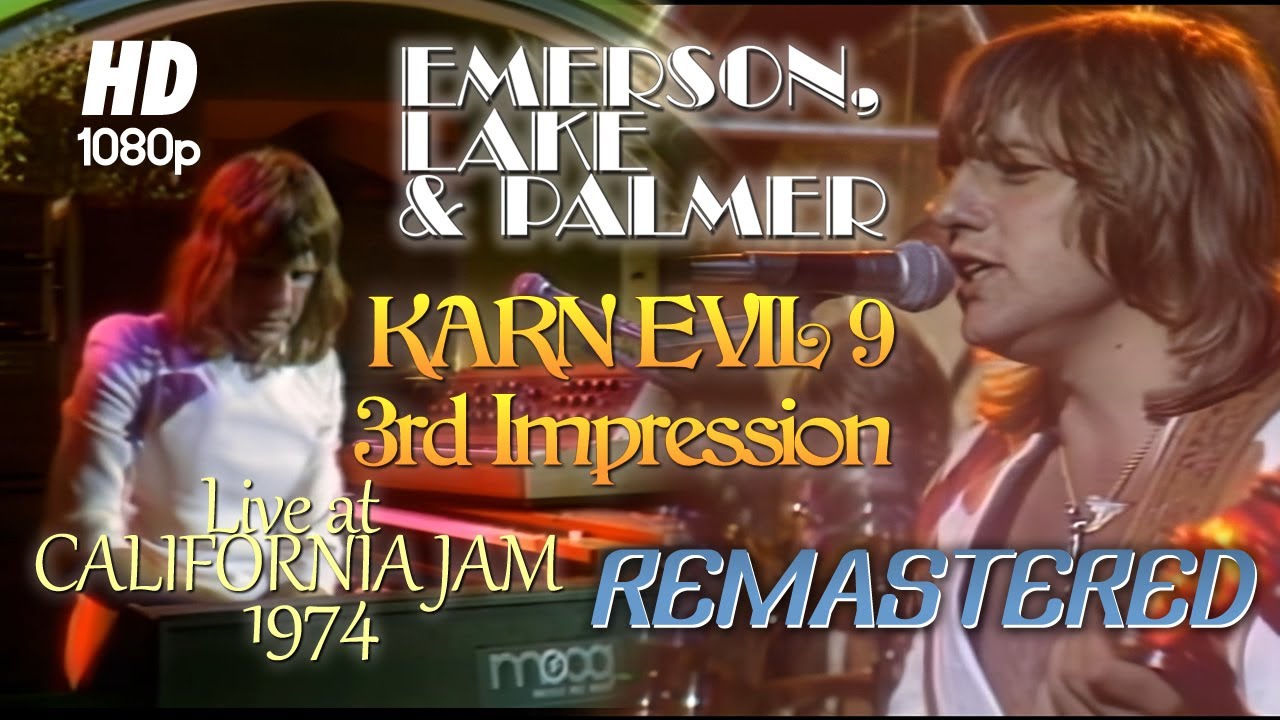
The complex, mutli-part centrepiece of ELP’s Brain Salad Surgery. Despite its 30-minute length, it possessed depth, clarity and cheek amid its myriad twists and turns, each guided and gilded by Emerson’s refusal to be tied to format or expectations.
Fanfare For The Common Man
Another shining example of Emerson’s capacity for expanding on someone else’s brainchild – this time it was Aaron Copland’s 1942 composition that got the treatment. Long an admirer of Copland’s, Emerson took the original and expanded it into a performance that had drama, dexterity and glorious pomposity.
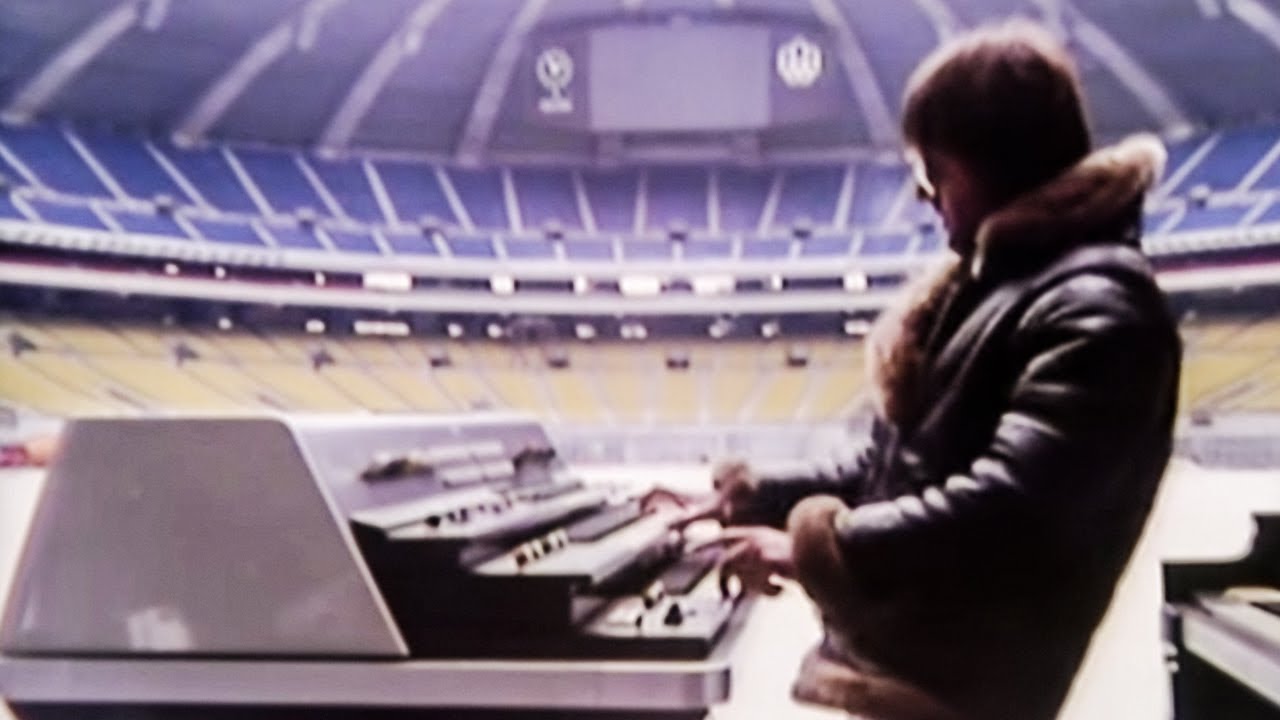
Honky Tonk Train Blues
If proof were needed that Emerson loved jazz and honky tonky music, then this number from ELP’s Works Vol. 2 did the job. It’s Emerson just getting behind the keyboard and rolling out a terrific, smoke-filled celebration. Nothing fancy, just pure bar room delight.
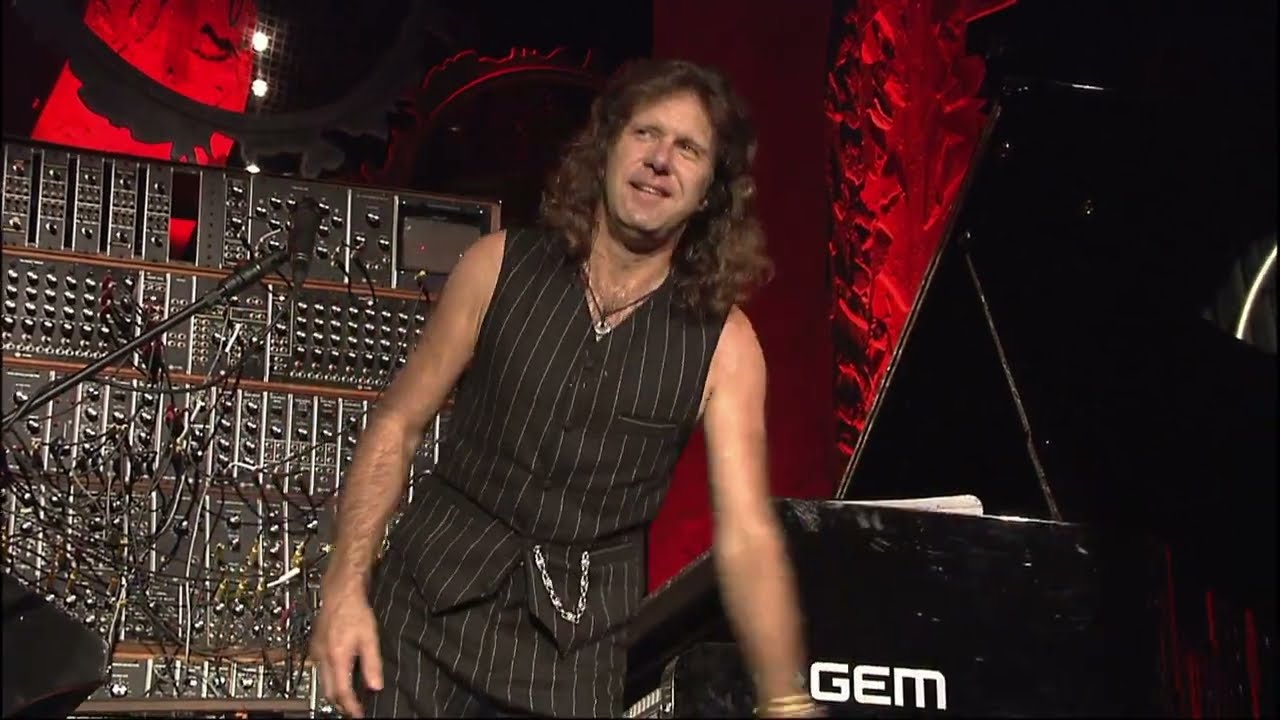
Mater Tenebrarum
From Emerson’s soundtrack for the 1981 Dario Argento movie Inferno, this mixed the gothic and the baroque in intense and eerie fashion – though the choral underbelly gave it a religious perversity that fitted the film perfectly. Brilliant as a soundtrack or a stand alone piece of music.
Hello Sailor
For a man who made his name as a prog icon, Emerson had many different facets. This highlight from his 1982 solo album Honky bobbed into pop and blues territory – the man himself was clearly having a great time and grabbing the opportunity to let rip in his own inimitable way.
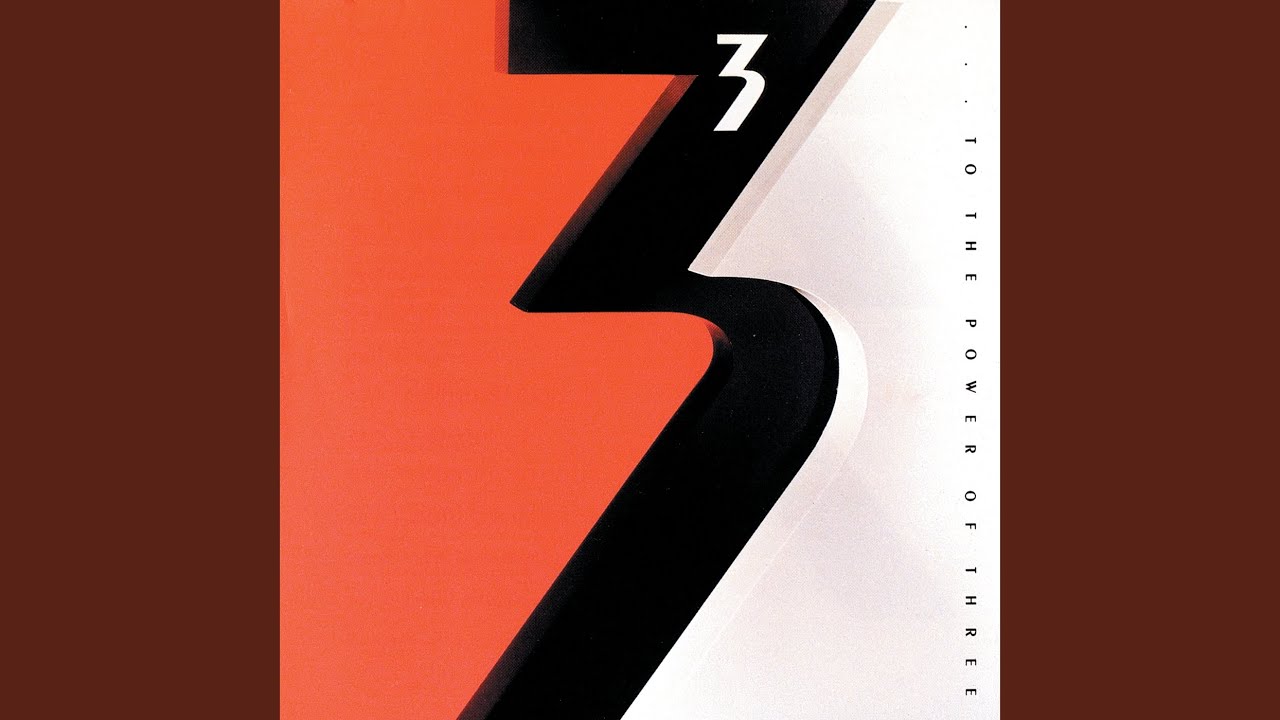
Desde La Vida
3 were a retooled version of ELP with US singer and multi-instrumentalist Robert Berry taking the place of Greg Lake. Their sole album, 1988’s To The Power Of Three, is usually overlooked in the Emerson catalogue, but Desde La Vida is spellbinding. Here, he brought to bear his experience from working on movie soundtracks to give this epic a life affirming brio. An undervalued masterwork.