


In 2009 Mike Oldfield looked back on events surrounding the creation of Tubular Bells, and reflected that fate had dealt him a kindly hand at a moment of disillusionment so deep that he was considering leaving the UK for the Soviet Union.
It’s Autumn 1972. John Cale is vacating the studio. A picturesque residential establishment in the Oxfordshire hills, The Manor is a recent acquisition by one Richard Branson, a hirsute, budding music impresario. The next artist booked in is a wan, taciturn 19-year-old unknown called Mike Oldfield.
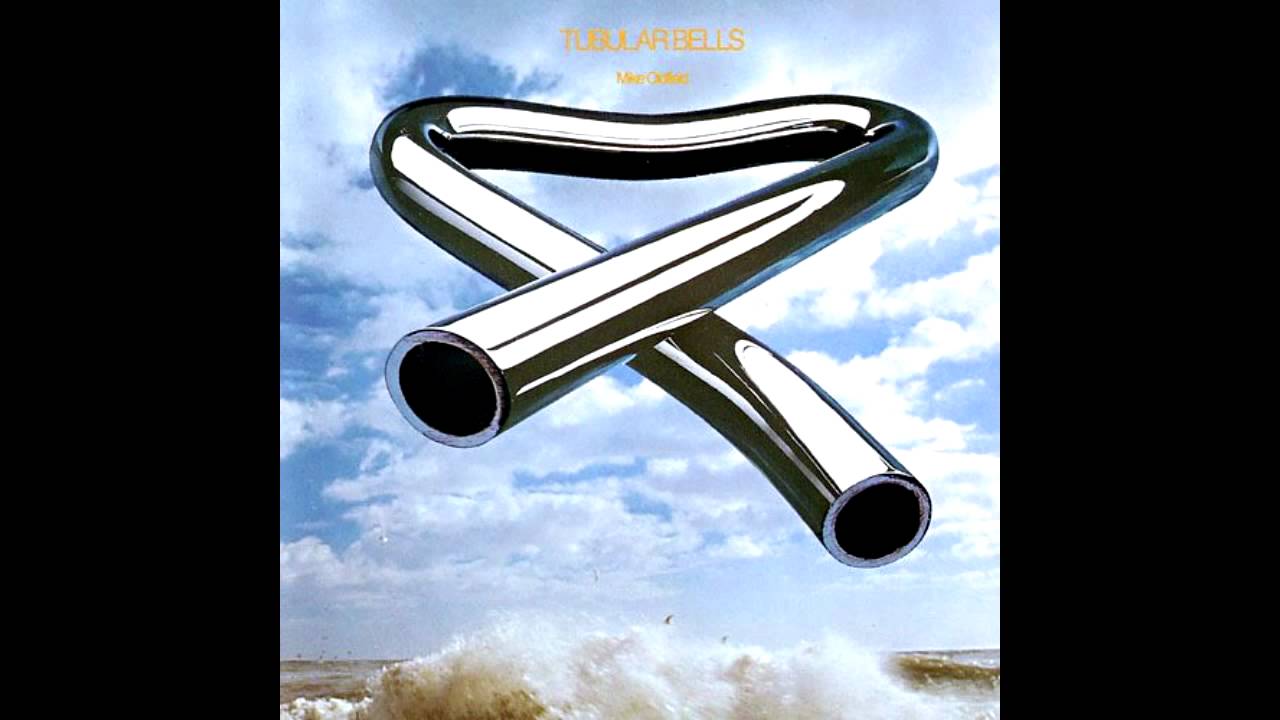
Noticing a shining silver set of tubular bells among Cale’s equipment, he asks if he can add it to the two dozen instruments he’ll use to record his one-man symphony, tentatively titled Opus One.
Released the following year, that album, redubbed Tubular Bells, would become a commercial and cultural phenomenon, launching Oldfield as one of the UK’s most acclaimed composers, bankrolling Virgin Records for years to come and setting Branson on course to become the country’s most recognisable captain of industry.
“In the late 60s progressive music was what everybody wanted to make,” Oldfield says. “There was experimentation all over the place; we were all pushing boundaries seeing what could be done. I was very much part of the live music scene, going up and down the motorway, and we’d often be on the bill with groups like Pink Floyd, Free and even Black Sabbath. I never set out to absorb any influence – it was all just there.”
He absorbed eclectic musical ideas – classical structures, minimalism, unusual scales and odd time signatures. A rough demo he recorded was rejected by every record label, but when he first set foot in The Manor in 1971 as bassist for Jamaican singer Arthur Louis, resident engineers Simon Heyworth and Tom Newman heard promise in the youngster’s recording.
They passed it on to Manor owner Branson and his business partner Simon Draper and a year later, with a disillusioned Oldfield contemplating a move to Russia for a career as a state-funded musician, he was invited to record the piece properly for Branson’s fledgling label, Virgin Records, at The Manor.
“It was a lovely big country house with a complete recording studio,” remembers Oldfield. “Lots of people running around doing things, we had a cook so I’d get great big plates of wonderful food, and I made lots of new friends.”
With instruments ranging from organs to mandolins to Cale’s bells, Oldfield set about recording Opus One, filling 16 tracks of tape with thousands of overdubs to achieve the sound in his head. Part One was finished in one manic week – the titular instrument appearing at the finale – with the voice of the ‘Master of Ceremonies’ provided by Vivian Stanshall of the Bonzo Dog Doo-Dah Band, who’d arrived early for their own recording sessions.
Part Two came together slowly during studio downtime over the coming months, and for its creator the whole process was cathartic. “You can hear it in the music. It was the only time I felt sane and vaguely happy. I suppose it describes in a nutshell the anguish of teenagerhood, which most people can relate to. It personifies all that.
![MIKE OLDFIELD Tubular Bells (Live at the BBC, 1973) [HQ] - YouTube](https://img.youtube.com/vi/nbYQYOM66MA/maxresdefault.jpg)
“Nothing can take away from the fact that I’m very, very proud of the composition, the way one idea runs into another idea and the variations of ideas scattered around the place. It’s got a great introduction, great riffs, lovely little tunes.
“It’s fortuitous that Viv Stanshall was there at that time, and what a good idea to put the bells in there. It all seemed to fall into place, as if some wheel of fortune had swung in my favour at that time.”
With decades of perspective, its creator has definite view on the reasons for its enduring success. But just be careful what you call it. “I’ve got no patience for people who call it new age or who go on about it being a concept album. It’s not telling a story; there’s no concept of anything.
“What it does have is extremes – delicate mandolin sections, the pounding rock of the ‘caveman’ section, then the next section is the dreamiest little piece.
“Also, I think people miss the humour in it. There’s a honky-tonk piano with drunken people humming along, the Sailor’s Hornpipe; it’s got that Monty Python silliness. There’s been nothing like it, before or since.”

