

In 2015 Prog looked back on Peter Gabriel’s first four solo albums and how they illustrated his development beyond Genesis. We started, of course, with a rundown on the first of those self-titled releases, which gained the nickname Car after its arrival in 1977.
After his final show with Genesis in April 1975, Peter Gabriel did exactly what he said he would – he withdrew from the music business and spent more time with his family. It absolutely fascinated the papers that a star, suddenly about to achieve what he had ostensibly craved, would turn his back on it at the age of 25 to pursue domestic life.
Although he’d dabbled in music since leaving the band, Gabriel was ready to return to the fray by mid 1976. He began casting his net for a producer, liking the idea of using someone outside the UK production system, with different ideas and a wider vision.
Todd Rundgren was considered; but Bob Ezrin, who’d made his name with his productions for Alice Cooper and Kiss, was chosen partially because of his work on Lou Reed’s critically lauded, black-as-pitch 1973 masterpiece Berlin.
Ezrin was to select virtually all of the album’s players, trusted session hands used to working at speed with demanding artists. “I had developed this crew of regulars to work with,” the producer said in 2013. “I put them together for when I worked with solo artists who didn’t come with their own band.” It was through Ezrin that Gabriel met one of his longest serving and most trusted players – bassist Tony Levin.

Gabriel chose two players on the album. One was keyboard player Larry Fast, who had worked with Rick Wakeman. The other was his old friend, ex-King Crimson leader Robert Fripp. “Peter thrived on the characters,” Ezrin said. “He negotiated with me, asking if he could have one Brit. I felt we were doing a sports deal, like a football club, needing a striker.
“I agreed; he said, ‘Can it be Robert Fripp?’ It was an exciting thing that he brought Robert into the fold, and Robert perfectly rounded out this group of misfits and musical outlaws.”
Gabriel relocated to Nimbus Studios in Toronto to work. The sessions were conducted in a business-like fashion: “Bob was a very forceful individual back then,” Larry Fast noted. “He actually wore a whistle, like a coach, around his neck while he paced the studio during song rundowns.”
With such a pedigree of performer and the high-end producer, it’s little wonder that Gabriel’s debut album is the closest he ever came to becoming a straight down-the-line stadium rocker. From the Genesis-like Moribund The Burgermeister to the slamming rock of Down The Dolce Vita, the album is rather splendid and sometimes daft.
Gabriel wrote his first solo classic in Solsbury Hill, a piece that proved he had more than enough commercial nous to go it alone. As he said at the time, “It’s about being prepared to lose what you have for what you might get, or what you are for what you might be. It’s about letting go.” Its optimism is heartwarming, and its manifesto is clear: to succeed, you have to take risks.
Here Comes The Flood remains remarkable. He was fascinated with shortwave radio, and was amazed how signal strength became stronger as daylight faded. That fed into the tale of barriers in individuals’ thought processes being broken down, so anyone could see into anyone else’s minds. As Gabriel said, “those inclined to concealment would drown in it.” It is a brooding, intense experience that demonstrated the distinctiveness of his writing.
The sessions finished in Toronto with a riotous meal and prize-giving ceremony at the Napoleon Restaurant. “I gave out gifts to acknowledge everyone’s contribution,” Ezrin said. “Peter was dressed in his white three-piece suite with a black shirt and a hat and he wore his ball-bearing contact lenses behind dark glasses.
“I gave Tony Levin a tuba, and I gave Fripp a beautiful gold antique pocket watch on a chain.” The assembled players then all sang an a capella version of the album’s barbershop quartet number, Excuse Me.
“I really wanted the first record to be different from what I’d done with Genesis, so we were trying to do things in different styles,” Gabriel said in 2015. “A bit of barbershop, which Tony Levin helped with; there were more bluesy things; a variety of songs and arrangements that were consciously trying to provide something different than what I’d done before.”
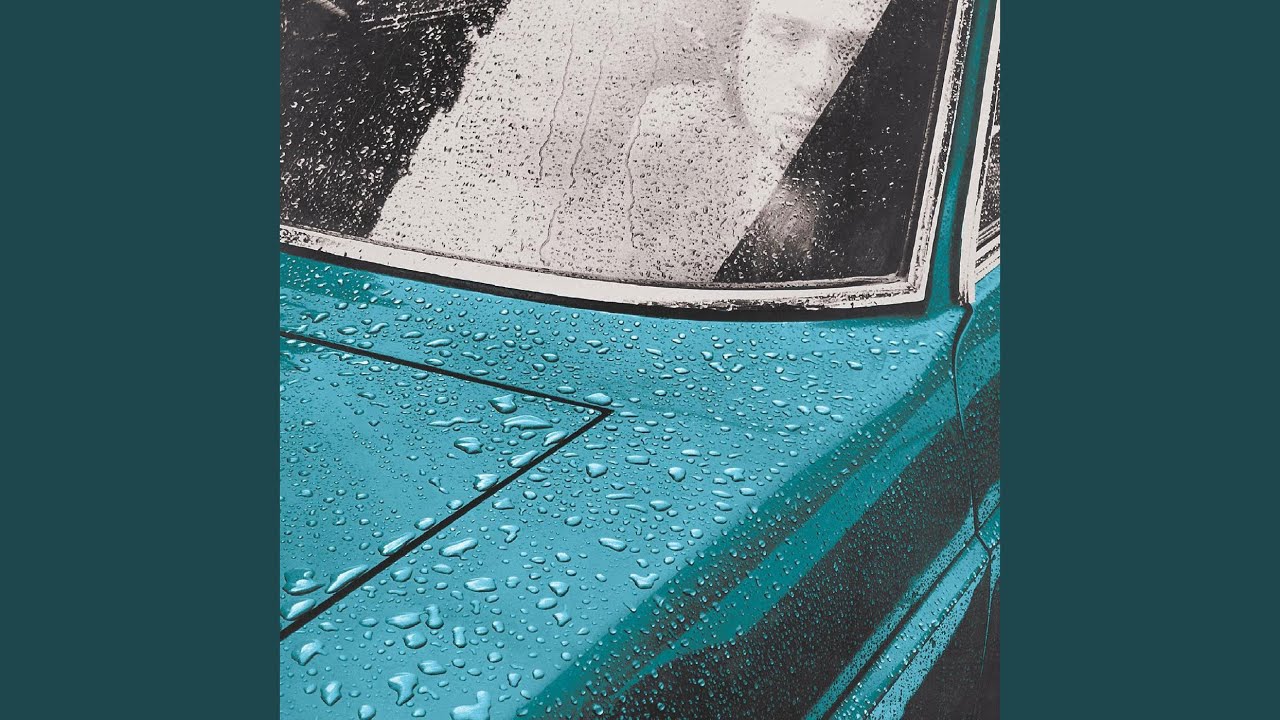
The album, simply titled Peter Gabriel, was released in the UK on February 25, 1977. Hipgnosis designed a heavily-colourised distant and mysterious sleeve that featured Gabriel sitting in Storm Thorgerson’s rain-soaked Lancia Flavia. It gave the album its simple, colloquial name of Car.
With the tagline, “Expect the unexpected on the new Peter Gabriel album,” it reached a respectable No. 7 in the UK and No. 38 in the US. Rolling Stone said, “This is an impressively rich debut album. And I still don’t know what to expect from him next.”

