


The musical partnership of Ian Anderson and Martin Barre in Jethro Tull ended around 2012 when the band leader decided to go in a different direction. Guitarist Barre recently told Prog that he’d tried to leave the band in 1980 – and although Anderson talked him into staying on, things were never quite the same again.
Was there a particular Jethro Tull configuration that possessed all the qualities of an idea band?
It would be unfair to pick out the ones that were a little bit better than other ones; it wasn’t always musical. It was the camaraderie, and in many ways that reflected on the music. I had so many great friends in Tull that it’s hard to pick any people out as being special because they’re all special.
We had some great line-ups, and the classic great line-up was Barrie Barlow, John Evan, me, Jeffrey Hammond and Ian: the Thick As A Brick, Passion Play days. That line-up really peaked all over the world. We just worked our asses off because we wanted to be better. Every night we wanted to play better, to improve all the time.
John Glascock was another great team member. Then I would say Dave Pegg, Doane Perry, Peter Vettese and me with Ian – that was phenomenal. Peter took us to new musical heights. Such a great musician; just to keep up with the guy made you a better player. They’re the highs, but the lows aren’t much lower.
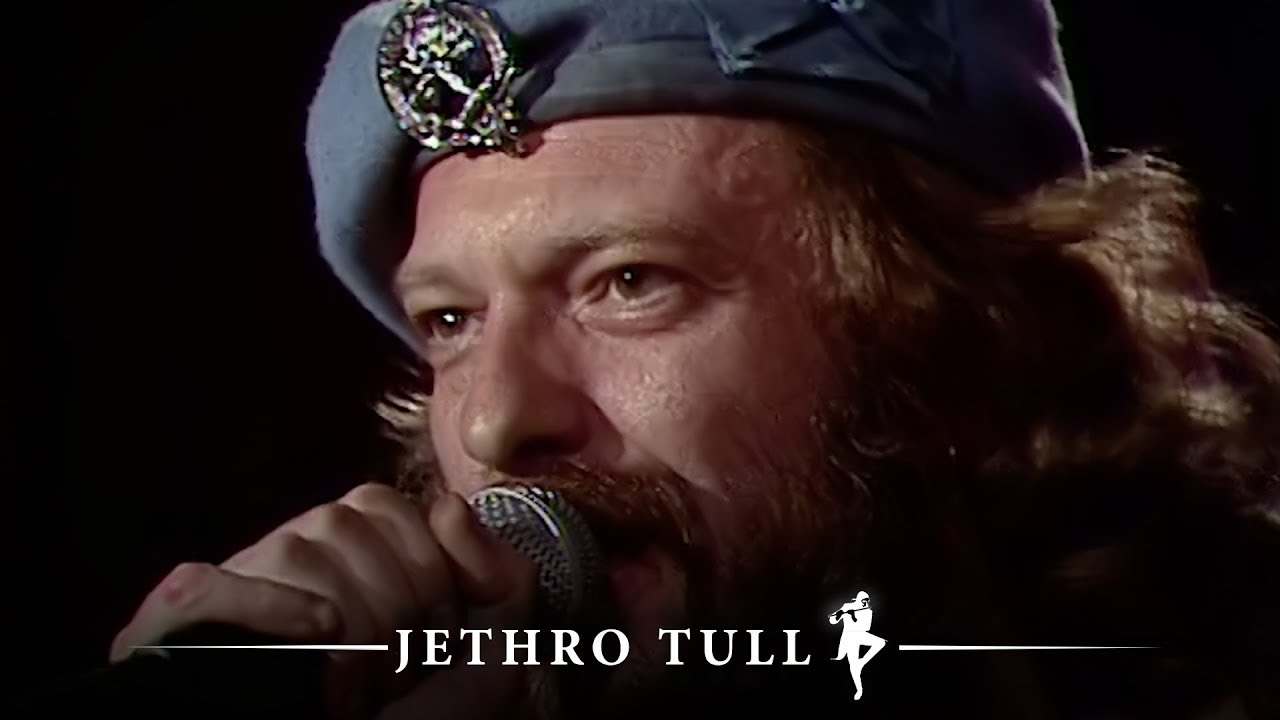
When John Glascock died and Barrie Barlow left in 1980, did you think Tull might be finished?
Absolutely. It was round the corner. When John, Barrie and Dee Palmer had gone, I thought, “Those guys are every bit as deserving and qualified to play in Jethro Tull as I am.” I felt really guilty to still be there. I called Ian when it happened.
I said “Look, I feel you’re better off making a clean sheet of it – just start again. It would be good for you.” He was obviously very unhappy with the music and the band.
I remember it was a two-hour phone conversation; essentially he persuaded me to stay. I never felt good about it. I mean, I love the band and I wanted to play in Jethro Tull, but I always felt it was unfair for the others.
From that period onwards, there were lows in the band. We’d never had that. We’d always maintained an incredible standard of spirit – but that began to go up and down.
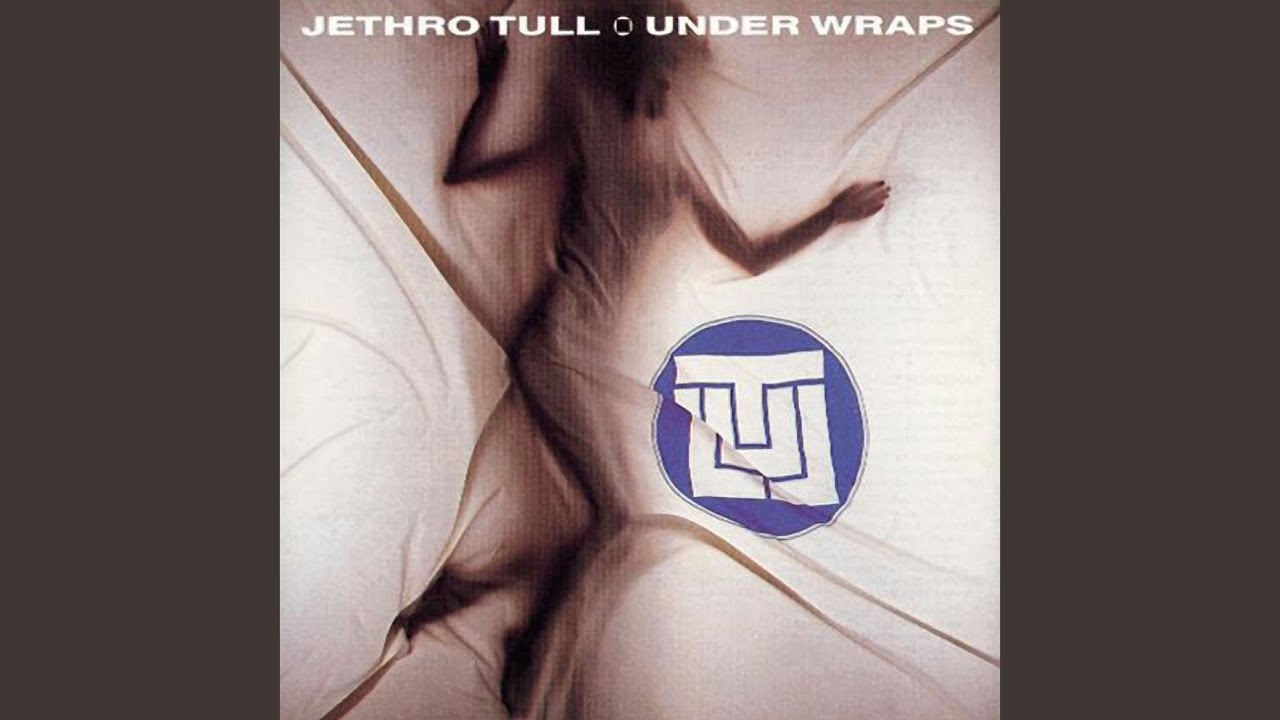
How important was it that Tull’s sound changed with albums such as 1984’s Under Wraps?
Change was always part of what we were. From the very beginning we never looked back on what we’d achieved and tried to replicate or continue it. Every album started from zero in every way.
Ian’s songwriting always changed, developed and went at an angle. Part of that was the hunger to find new music, to play different music and to play better music. The other element was that people were coming into the band and influencing the music with their own personalities.
Dee Palmer brought classical music into the band, Dave Pegg folk music, Peter jazz fusion, Eddie Jobson prog. Everybody had a big part to play. There were no session players in Jethro Tull.

