


On the morning of January 8, 1991, Jeremy Wade Delle was late to school, missing his first class of the day. When the 15-year-old showed up for his second period English class, having missed morning registration, his teacher, Fay Barnett asked him to go to the school office to get an admittance slip. Instead, Delle returned to class with a gun, a .357 Magnum revolver.
"Miss, I got what I really went for," Delle told Barnett, walking to the front of the classroom.
Facing his classmates, the teenager then put the barrel of the gun in his mouth, and pulled the trigger.
Fellow pupils in classes throughout Richardson High School, located in an inner suburb of Dallas, Texas, heard the bang echoing through the halls, and assumed that someone was playing a joke.
"But then we heard a girl running down the hall screaming," one student told reporters from The Dallas Morning News. "It was a scream from the heart."
Reading about the teenager's death by suicide in a single paragraph newspaper story struck a chord with Pearl Jam frontman Eddie Vedder, who remembered that he "totally related because I had a very similar experience with a kid who I grew with." While a seventh grade junior high school student, Vedder recalled a fellow pupil bringing a gun into a geography class, and firing bullets into a "1000 gallon fish tank".
"And I had gotten in a fight with this kid like a year earlier," Vedder told music writer Karen Bliss in 1991.
After reading the newspaper article about Jeremy Wade Delle, Vedder wrote a song inspired by these two separate stories, and titled it Jeremy. The song would become the third single released from Pearl Jam's debut album, Ten, and while often reluctant to explain his lyrics, Vedder felt that the issues which informed the song were important to address.
If it weren't for music, I think I would have shot myself in the front of the classroom
Eddie Vedder
"I've kept a lot of songs... the lyrical content like shrouded in mystery," he told Houston, Texas radio DJ David Sadof in 1991. "Just because... it's been really great to get other people’s interpretations and even inject themselves into the songs. And I think then it becomes something bigger than just like five guys in a band and this is their song... But Jeremy, I think I decided I will start talking about what that song is about."
In 1992, Vedder shot a video for the song, filmed at a New Jersey high school, with director Mark Pellington, whose previous credits included U2's video for One, and The Disposable Heroes of Hiphoprisy's video for Television, The Drug of the Nation.
The video, which starred 12-year-old Trevor Wilson as an alienated teenager bullied by classmates, helped the song become a worldwide hit, and won no fewer than four MTV Video Music Awards in 1993, including the prestigious Video of the Year award.
Accepting that award, alongside Wilson, from Red Hot Chili Peppers duo Flea and Anthony Kiedis, Vedder told the audience at the Universal Amphitheatre in Los Angeles, "If it weren't for music, I think I would have shot myself in the front of the classroom, you know. It really is what kept me alive, so this is kind of full circle. So to the power of music, thanks."
For all the acclaim it garnered, the video for Jeremy was not without controversy.
In the original version of the video, a shirtless Trevor Wilson is shown placing the gun in his mouth at the song's climax, but MTV guidelines meant that this scene could not be broadcast, and so the gun was cropped out of the shot. But when TV viewers saw that the video ended with the main character's shocked and horrified classmates splattered with blood, many assumed that the student had turned the gun on fellow pupils, not himself. Mark Pellington would later describe this misinterpretation as "the greatest frustration I've ever had."
The increase in gun violence since the debut of Jeremy is staggering
Pearl Jam
This misinterpretation also generated entirely unwanted headlines.
In February 1996, 14-year-old Barry Loukaitis, a student at Frontier Junior High School in Moses Lake, Washington, brought a hunting rifle and two handguns into a maths class, and shot and killed three people, his teacher, Leona Caires and his 14-year-old classmates classmates Manuel Vela and Arnold Fritz. At Loukaitis' 1997 trial, his lawyer claimed that the video for Jeremy helped incite the boy’s rage, a defence rejected by the court. The teenager was sentenced to serve two life sentences plus an additional 205 years without the possibility of parole. However, in 2012, the US Supreme court ruled that individuals convicted of murder, committed when they were under 18, could not receive automatic life sentences without parole. In 2017, Loukaitis was resentenced to 189 years in prison for the murders, admitting "What I did was weak and evil and senseless."
In 2020, Pearl Jam finally released the uncensored version of the video to mark National Gun Violence Awareness Day.
“The increase in gun violence since the debut of Jeremy is staggering," the band said in a statement. "We have released the uncensored version of the video which was unavailable in 1992 with TV censorship laws. We can prevent gun deaths whether mass shootings, deaths of despair, law enforcement, or accidental.”
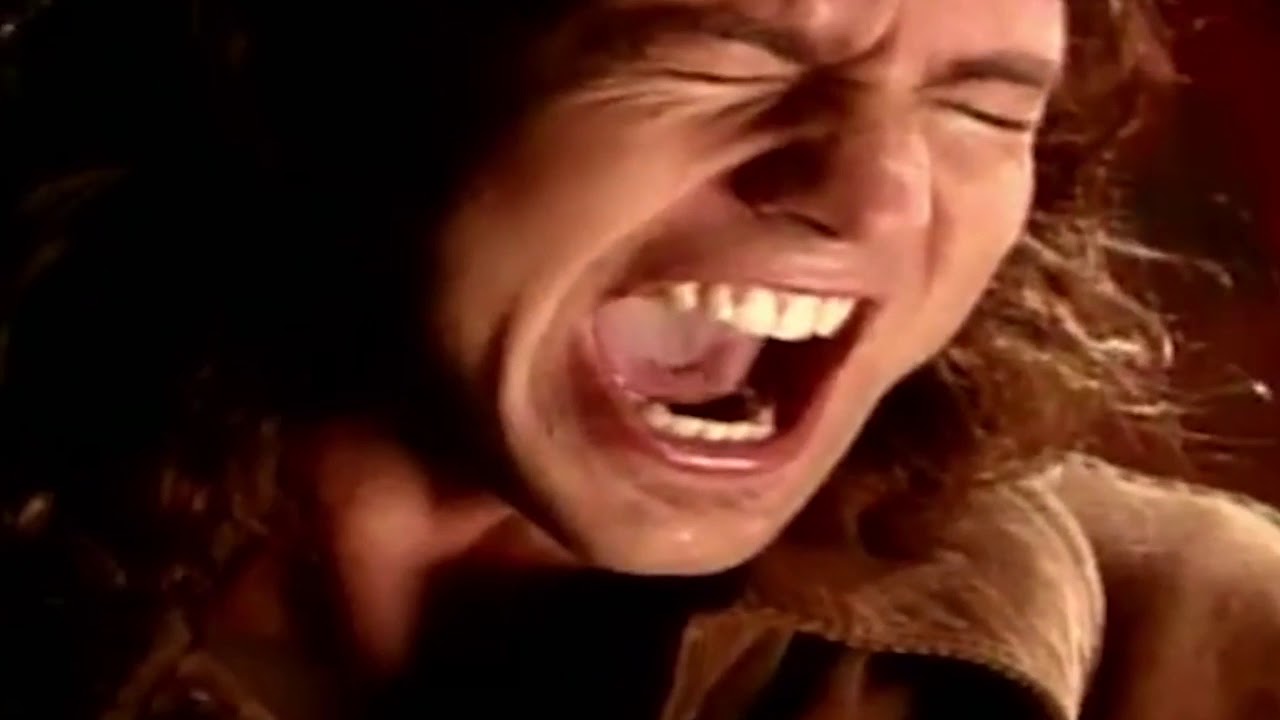
In 2017, Jeremy Wade Delle's mother Wanda Crane spoke about the song and her son's death for the first time.
"That day that he died did not define his life," she told Texas TV station WFAA. "He was a son, a brother, a nephew, a cousin, a grandson. He was a friend. He was talented."
Brittany King, a former classmate of Delle, also spoke to the TV station, and expressed her frustration with Pearl Jam for telling a story which didn't truly reflect the reality of the tragedy.
"I was angry at them for writing that song," she admitted. "I thought, You don’t know. You weren’t there. That story is not accurate."
Looking back on the events of January 8, 1991, when she was 16, King reflected, "This was a big wake-up call. Like, you know what? Life is not all hunky-dory all the time. Real things, tragedies happen. It made me grow up pretty quick, literally overnight."

