


In his recently-published memoir A Trick Of Memory: The Autobiography Of Jethro Tull’s Guitarist, Martin Barre discussed his struggle with shyness as a youth. He recently told Prog how dealing with it led him directly to his career in music.
In your autobiography you talk about being a very shy youngster. Was the guitar a shield that you could hide behind?
Oh, absolutely. Jasper Carrott always said he couldn’t go onstage without holding a guitar, because that was between him and the audience. I know exactly how that feels – that’s why I play guitar.
I was a horribly shy kid. It’s not cute; it’s not a nice thing to be, because socially I was afflicted and most people laughed at me. It wasn’t understood as being something you needed to look at and try to fix. I was embarrassed to be embarrassed.
Everybody met girls in the 60s by dancing at a club with live music, and no way ever could I ask a girl to dance because I was so ridiculously shy. So I thought, “If I’m in a band I won’t have to dance. That’s a great idea!” And essentially, that was my introduction to what I was going to do.

Watching live footage of Jethro Tull, there's no trace of that shyness.
I’d lost it by then. It was a very long, painful process, but luckily that all happened way before I was a professional musician. When I was at school I had a band; we were playing the pubs and clubs around Birmingham, probably for two years. It was agony – but I slowly, slowly combated it. I never conquered it, but I dealt with it.
I grew to love music and loved playing; it became such an important part of me that that naturally progressed into wanting to do it full-time. I wouldn’t say I wanted to do it for a living, because the concept was just stupid – no one even thought on those lines. I just wanted to avoid going back to school and college and being in an office, desk-bound.
When Jethro Tull’s Stand Up hit No.1 in the UK in 1969, what went through your head?
It was a wave of happiness for all of us. Tull had been a blues band with Mick Abrahams and decidedly in the middle of that blues genre. Then Ian’s songwriting, and his insights into what needed to happen in the years to come, took us away from the blues and into our own music.
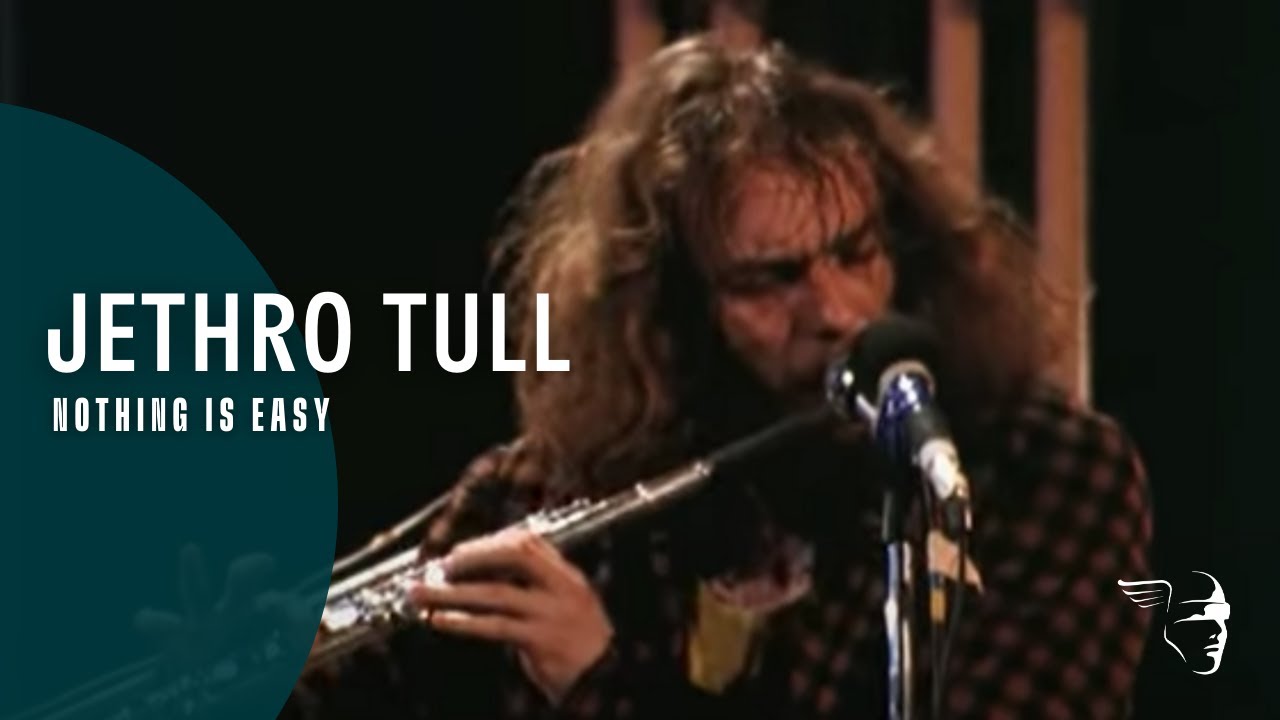
We became a separate entity and formed our own passage through music, which is dangerous because you’re putting your neck on the line, and not everybody liked it.
Stand Up was the pat on the back to say, “It’s okay – we like what you’re doing!” Until all that happened, we were never that sure things were going to go beyond that, because it was all innovative.
“It was on the edge of what other people were doing and we risked everything, although we weren’t aware of that because we were having fun. But if it had failed, we weren’t going to go back to being a blues band, that’s for sure!”
Barre’s memoir A Trick Of Memory is on sale now.

