

Iron Maiden have, in their time, covered Jethro Tull, Focus and Beckett tracks. It’s a matter of fact that bassist Steve Harris and singer Bruce Dickinson are both prog fans. The genre has permeated their music since the late 80s, so it wasn’t too difficult to present a list of their 10 proggiest moments in 2024. And as the bassist told us: “Prog taught me to do whatever the hell you want to do – go in any direction you want to.” Amen to that.
Cross-Eyed Mary (1983)
This cover of the 1971 Jethro Tull song from Aqualung was the b-side to The Trooper single, and the first indication for many fans that there was some love for prog rock within Maiden’s ranks. Unlike Dickinson, who’s performed with Tull mainman Ian Anderson, Harris tells Prog: “I’ve never met himn. I sort of don’t want to, because I love his music so much.”
Rainbow’s Gold (1984)
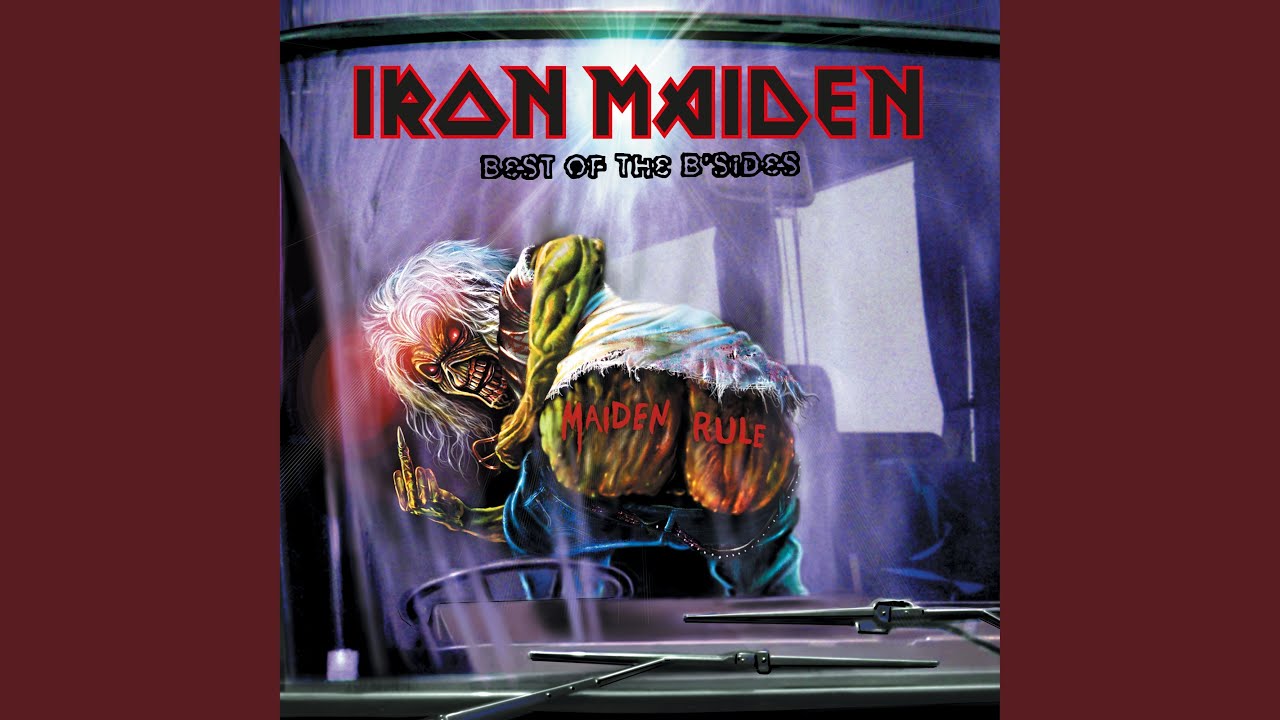
Nestled away on the b-side to 1984 single 2 Minutes To Midnight is this cover of a song by 70s UK prog rockers Beckett. Their main claim to fame was singer Terry Wilson-Slesser, later the vocalist for Backstreet Crawler and Geordie, who was linked with AC/DC after Bon Scott's death. He also unsuccessfully auditioned for Maiden after Paul Di'Anno left. Band manager Rod Smallwood had been an agent for Beckett and a young Harris had seen the band play live.
Rime Of The Ancient Mariner (1984)
The epic closing track for 1984’s Powerslave album was the first Maiden-penned tune to offer a glimpse of the band’s proggy proclivities. It’s based on Samuel Taylor Coleridge’s 1798 epic poem of the same name (Rush had previously based Xanadu on Coledridge’s Kubla Khan). “It might be significant that my two favourite pieces of music of all time are Supper’s Ready and Thick As A Brick,” says Harris of his lengthy compositions.
![Iron Maiden - Rime of the Ancient Mariner [Flight 666 DVD] HD - YouTube](https://img.youtube.com/vi/2AmrIydnXIs/maxresdefault.jpg)
Seventh Son Of A Seventh Son (1988)
It was all-out prog rock by 1988, with keyboards introduced into the Maiden sound for the first time. The title track of the band’s seventh album - their first ever concept record - was the proggiest of the lot . “A lot of thought went into it,” says Harris. “It was a good change for us and I think it worked really well.”

Sign Of The Cross (1995)
For their first album after Dickinson had left, to be replaced by Blaze Bayley, Maiden didn’t go for the easy option. Instead they opened The X Factor with this 11-minute epic and its moody intro of chanting monks, building the suspense until it explodes in emphatic style.
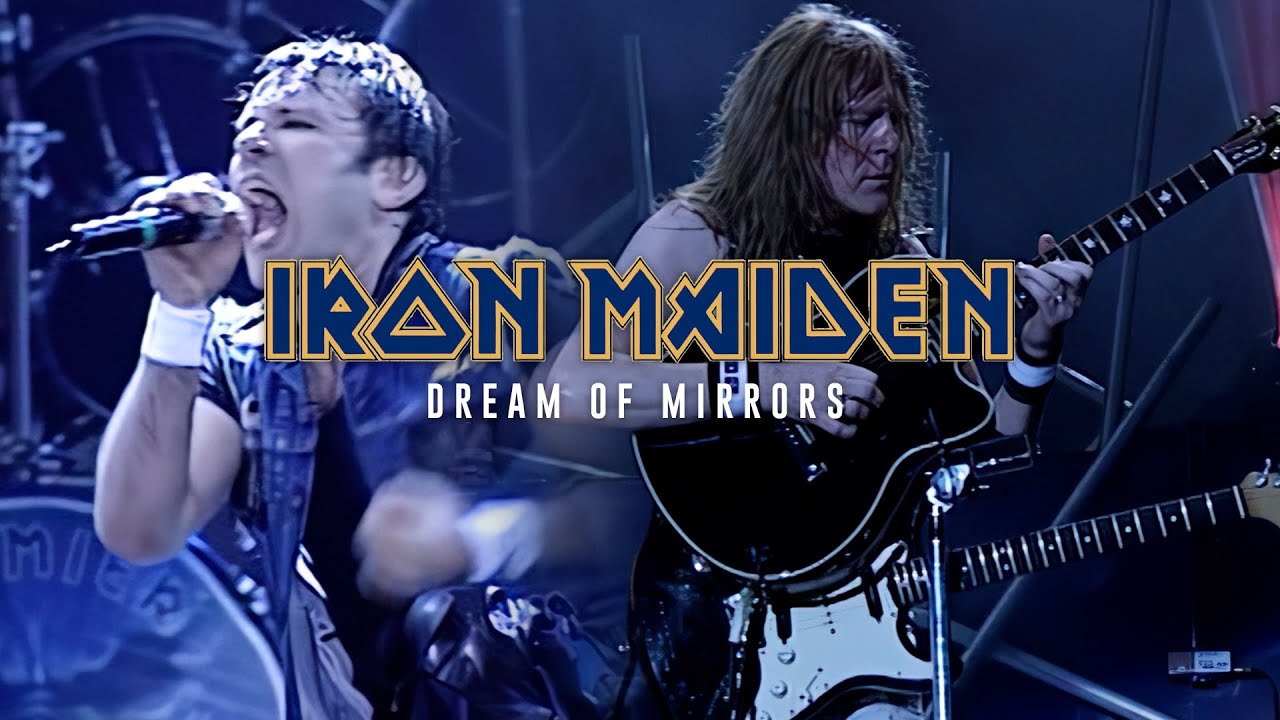
Dream Of Mirrors (2000)
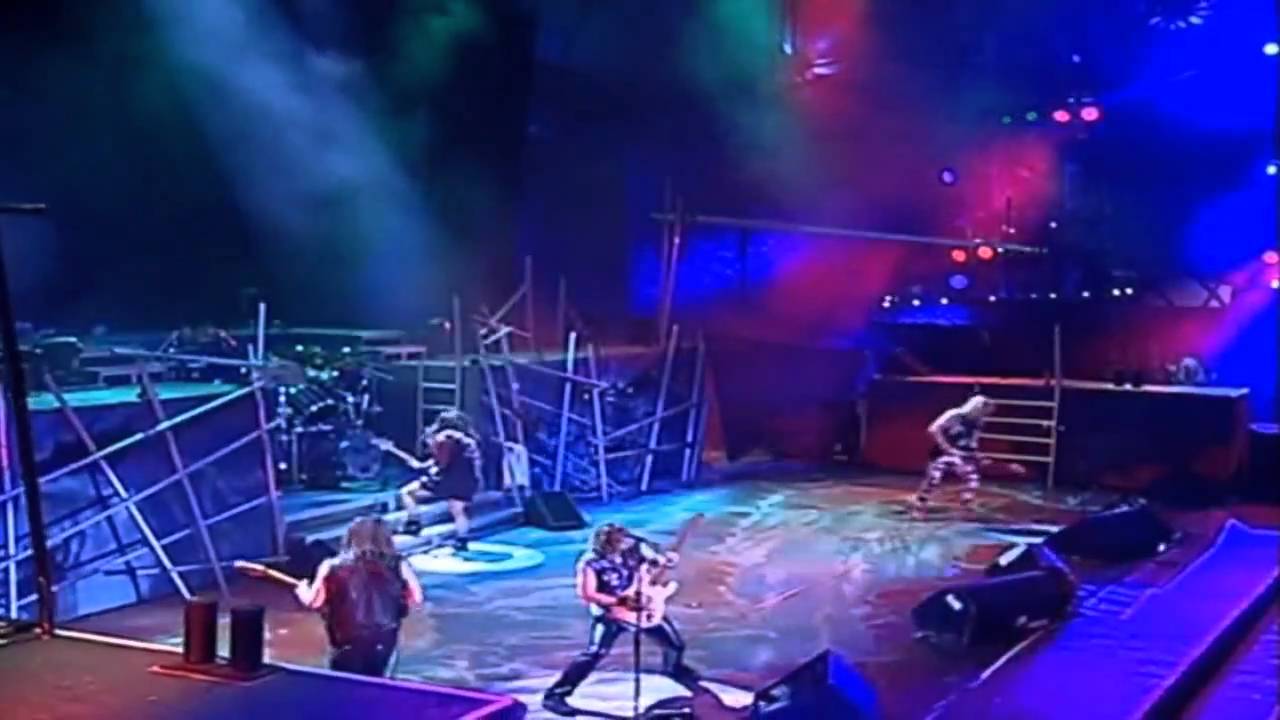
The band’s passion for prog really came to the fore when Dickinson returned for 2000’s Brave New World – especially this 9-minute workout. “I don’t really know the reason for it,” says Harris of Maiden’s increased progginess since then. “It was the way it naturally evolved.”
Paschendale (2003)
Although he normally writes shorter, more commercially minded material, guitarist Adrian Smith got his prog on with this epic about the Battle Of Paschendale from WWI on the Dance Of Death album. Did you know the infantryman’s outfit donned by Dickinson when the band performed this song live was in fact Hungarian, and not British, as many thought? Take that to your next pub quiz with you.

When The Wild Wind Blows (2010)
Another epic album closer from 2010’s The Final Frontier, this time clocking in at almost 11 minutes and as complex as you get with Maiden. Penned by Harris alone, it soon proved to be a live favourite in the band’s set.
Empire Of The Clouds (2015)
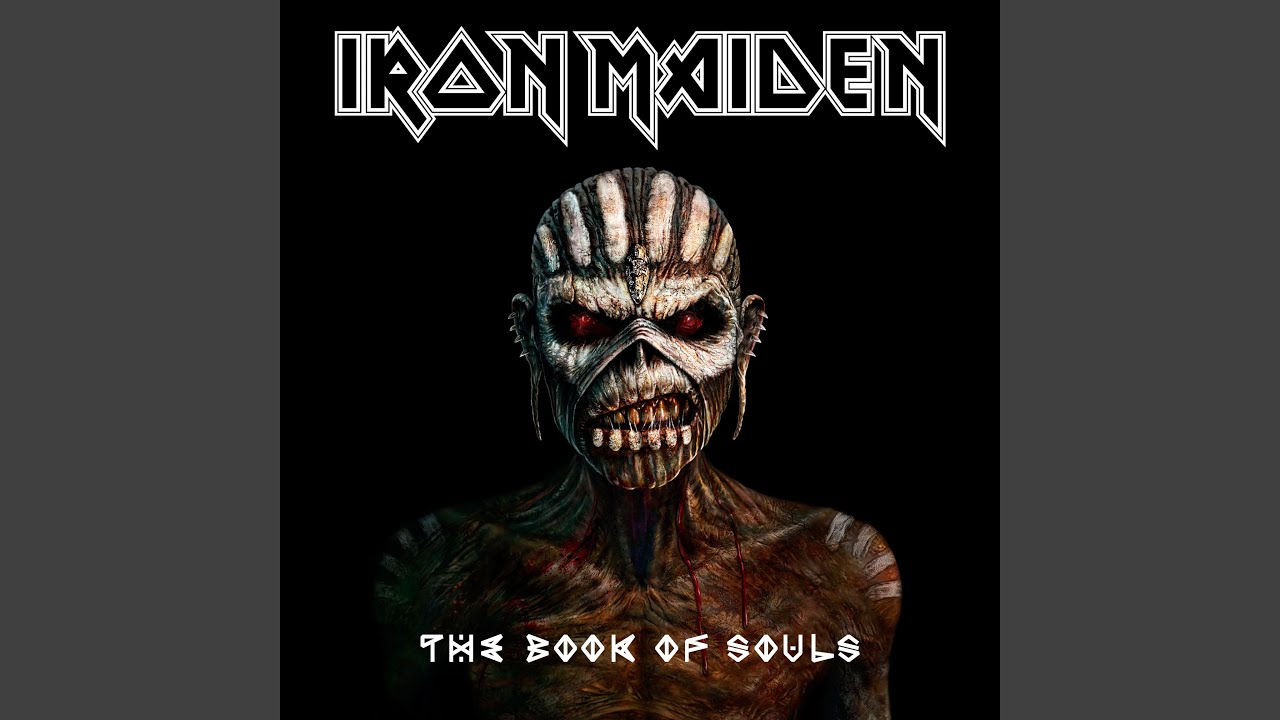
With its laid-back piano intro, the final track on 2015's The Book Of Souls remains the longest song on any Maiden album. Penned by Dickinson, the song tells the story of the British R101 airship, which crashed in northern France on 5 October 1930 during its maiden voyage. “I just had to say to him, ‘You’ve outdone me, you bugger!’” laughs Harris.
Death Of The Celts (2020)
You could take any of the final three tracks – all written by Harris – from 2020's Senjutsu, and make a case for them being some of the band’s proggiest. Indeed, on the vinyl version, the last disc almost becomes a standalone Maiden prog album! We've gone for Death Of The Celts, a stridently uplifting tale of days of yore. A bit Spinal Tap? Never...