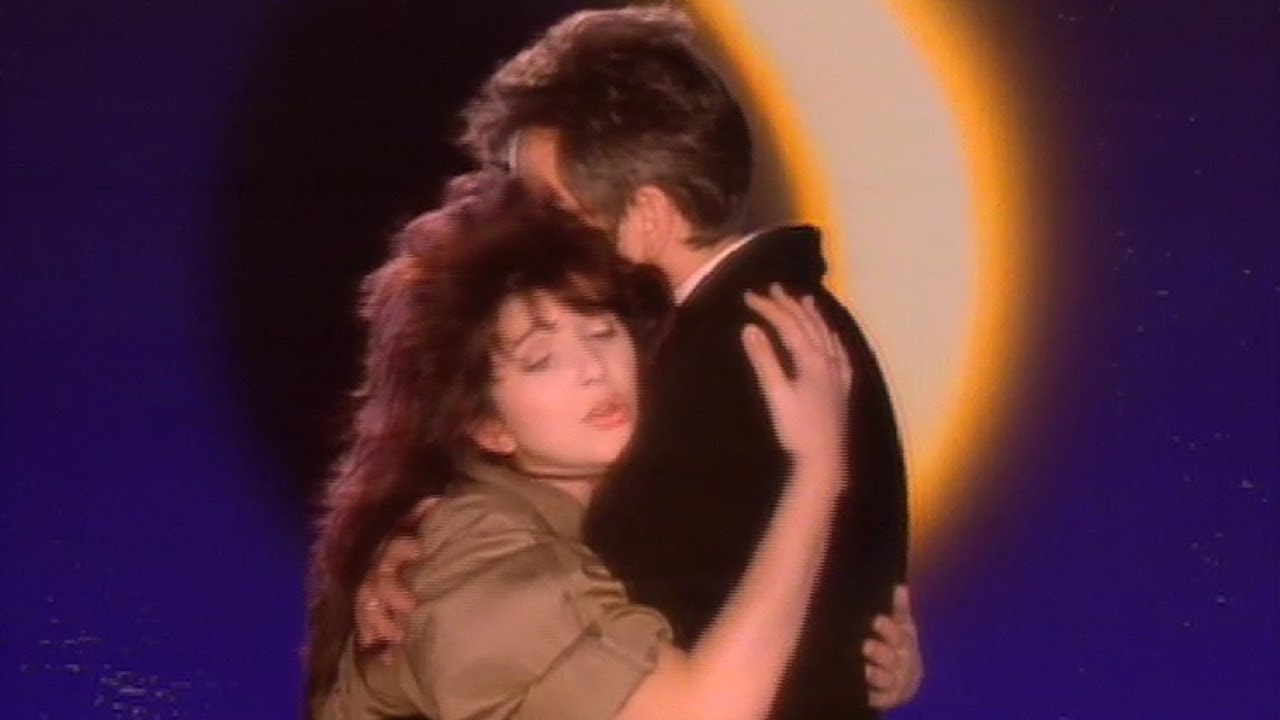


In 1979 an accidental death during Kate Bush's UK tour led to a chance meeting with Peter Gabriel, and a creative partnership was born from tragedy. Prog told the story of Don't Give Up, their 1986 duet, in 2023.
When Kate Bush embarked on her groundbreaking The Tour Of Life in spring 1979, it turned the notion of a live concert on its head. Fully choreographed by Anthony Van Laast, the sold-out 28-date tour was a visualisation of her first two albums, The Kick Inside and Lionheart.
Much was made of the road trip costing up to £250,000 and employing 40 people. It took place at the cusp of touring being taken seriously. Such was the furore that BBC TV magazine show Nationwide reported on the opening night at Liverpool Empire.
But the experience was to be overshadowed by the tragic death of Bill Duffield, her 21-year-old lighting director. On April 2, after a warm-up gig at Poole Arts Centre, Duffield was undertaking the reoutine “idiot check,” where the final crew member in the venue inspects makes sure nothing has been left behind. He fell 17 feet through an unlit open stage panel onto a concrete floor, and died a week later from his injuries.
A memorial concert for was arranged for May 12 at Hammersmith Odeon. It was an emotional tour de force, with Bush joined by two artists who’d previously worked with Duffield – Peter Gabriel and Steve Harley. They joined Bush on Them Heavy People and The Man With The Child In His Eyes. Then Bush duetted with Gabriel on his yet-to-be released I Don’t Remember, and they all delivered The Beatles’ Let It Be to close.
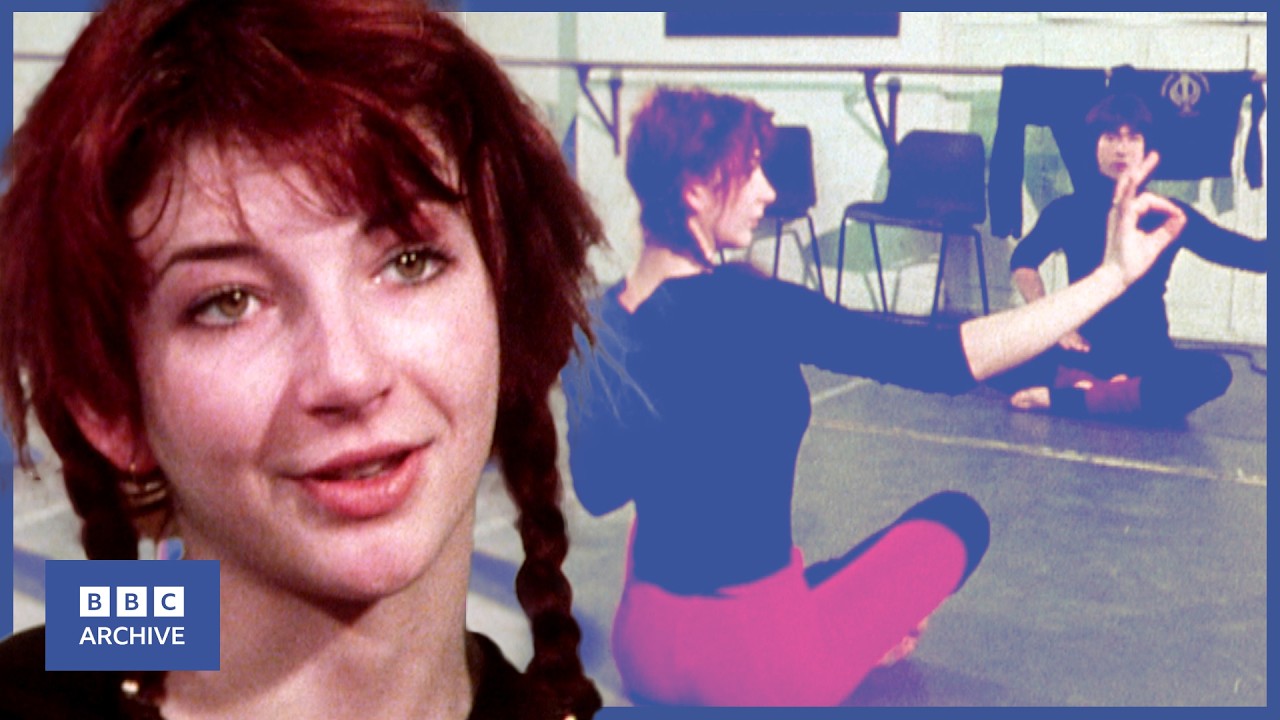
If Duffield had not died, Bush and Gabriel would not have met that night. They hit it off immediately – his painstakingly free approach to his work was to inform her in a way few artists ever had. Within months she’d be singing on Gabriel’s third album, and through the sessions she first encountered the Fairlight CMI synthesiser.
Years later she accompanied him on one of his most powerful statements. An evocative ballad, Don’t Give Up was partially inspired by the startlingly evocative Dorothea Lange pictures of Americans during the Great Depression. Gabriel had initially envisioned Dolly Parton singing with him. But instead he turned to Bush, who was then enjoying huge commercial success in the wake of Hounds Of Love.
Over the gentle swell of Richard Tee’s gospel-influenced piano part, the song was a masterpiece of understatement that was in step with the straitened times lurking beneath the shiny veneer of the mid 80s, speaking directly to a disaffected population.
In 1981, British prime minister Margaret Thatcher’s employment secretary, Norman Tebbit, infamously used an analogy about his father being out of work in the 30s. Instead of rioting – as many were doing at the time – Tebbit Senior got on his bike and looked for work, said the politician. The quote was popularly interpreted as telling the unemployed to “get on their bikes” to find jobs.
Gabriel’s tale of a dispirited man at the end of his tether looking for work touched a raw nerve with millions of listeners in the UK and, latterly, the world. With Gabriel’s despair in the verses and Bush’s words of hope in the chorus, the 1986 single became arguably Gabriel’s most-loved composition. The fact that it had its roots in a union which grew from such tragedy only adds to its poignancy.