


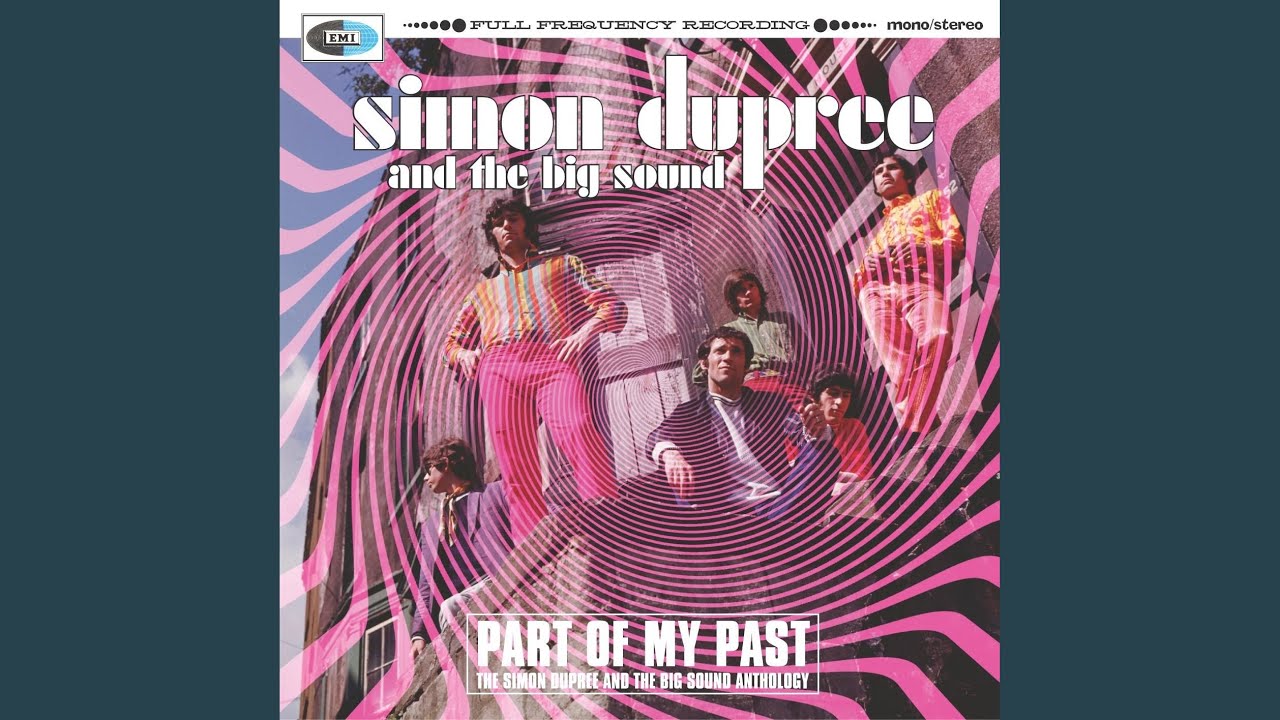
In 2025 Derek Shulman published a memoir in which he explored his history as vocalist with Gentle Giant, previous band Simon Dupree And The Big Sound and his move into the A&R world, where he signed Bon Jovi, Dream Theater, Pantera and others. Marking the book launch, he reflected on his formative years with Prog.
In your book, you highlight The Beatles as being an early but important influence.
I was at school and I remember hearing Love Me Do on the radio. It was so different from everything else back then on the BBC’s Light Programme. There were a couple of friends at school, and we were all talking about it.
The band came to Portsmouth as Beatlemania was just starting, and I wanted to go. I was at grammar school and I wrote a note saying: “Please excuse Derek for being absent; he’s got a bad cold.”
So I lined up to see The Beatles and the Southern TV cameras were there covering their arrival. Next day on TV, they showed pictures of the fans lining up – and I was in the front.
The headmaster saw me and I got called in and got three whacks on my ass with the cane for lying and skipping school. So I blame The Beatles for me being in the music business – but I also blame them for getting a whacking!
Nevertheless, what The Beatles did was set a precedent for British music to be written for themselves. With all the influences that they had, they wrote music that was The Beatles. It wasn’t anyone else.
Yes, of course, they started off like anyone else: covering R’n’B and soul and all the other stuff that came out of America. We all did the same thing, listening to Radio Luxembourg and the Forces Network. But they took that and said they were going to write their own music. They were the first progressive group by far.
When you look back on Simon Dupree And The Big Sound, what are your thoughts on that period of your career?
It was an incredible apprenticeship. We would sometimes do 12 gigs a week. In those days you could do all-nighters. In Nottingham they had these three clubs and we’d do an early show, an evening show and an all-nighter. That’s how you honed your stagecraft and playing. We played a lot. It gives you a great ability to understand what an audience wants, and to get better personally and musically.
In that era, the icing on the cake was to be on Top Of The Pops, which eventually we were. But the interesting thing about that period of time was that all the bands were running around the M1, which was only a few stretches of miles at that point, and ended up at the Blue Boar motorway services.
There would be Pink Floyd and Syd Barrett in one corner, Eric Clapton over there. We’d all say hi to each other and talk about where we’d been and what we were up to. That place was really like a club for bands.
Simon Dupree was a really good band, but when we saw Hendrix it was like, ’We give up!’
Everyone was actually rooting for each other in those days. That was the good thing about that time. It was an incredible era in England. We were all in it together.
Why did you end Simon Dupree And The Big Sound and become Gentle Giant?
Having got a bigger following both in England and Europe, we were in Germany with Hendrix, who was the sweetest guy you could ever want to meet. Simon Dupree was a really good band, but when we saw Hendrix, it was like, “Okay, we give up!” He was way better than we were!
Our manager, Gerry Bron, believed in us and our music to the extent that he paid us for six to eight months, and that gave us the time to put Gentle Giant together.
We were incredibly lucky to find Kerry Minnear, another musical genius, and Gary Green. It was almost like kismet that we stopped Simon Dupree and started doing something completely new and refreshing.
We were all pushing each other anyway to get better and write different kinds of things, rather than those poppy songs. But the fact that the band came together – not just musically but chemistry-wise – was something that you can’t put on paper and say, “I’m going to make this happen.”
We were incredibly lucky to have found the right people musically, personally and professionally that fitted into our vision.

