


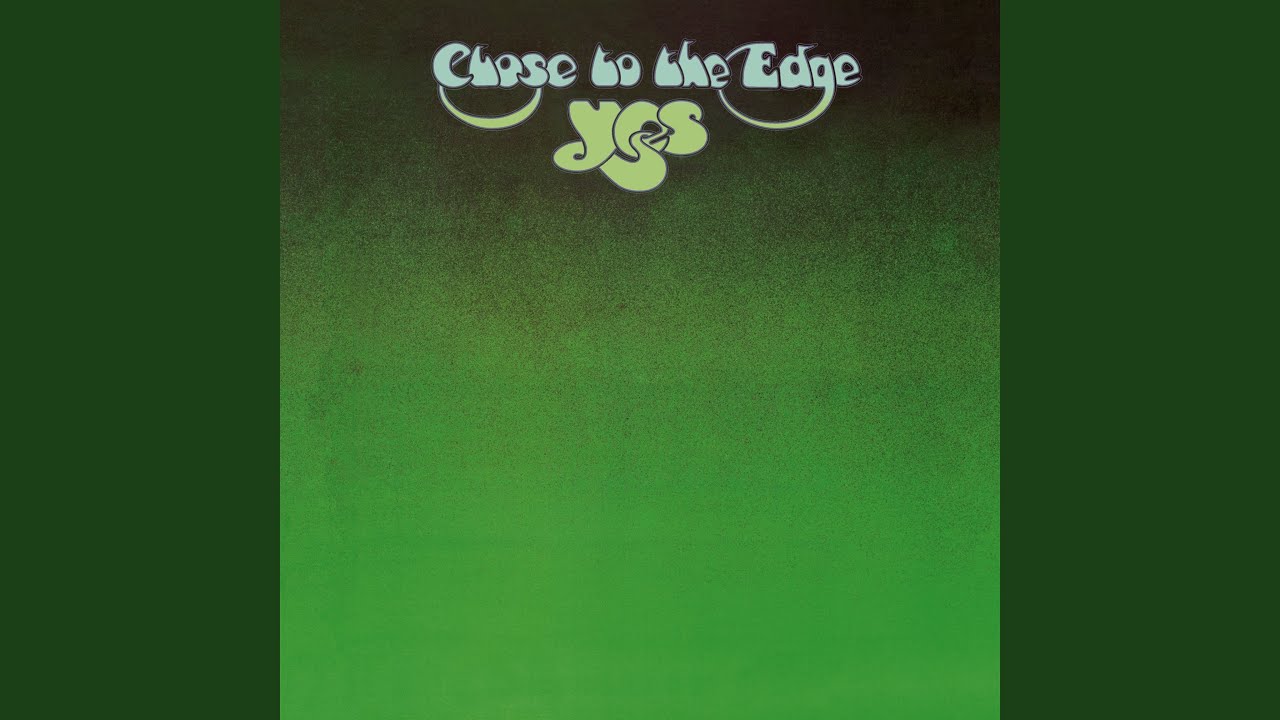
Siberian Khatru, the nine-minute song from Yes’ 1972 album Close To The Edge, often appears on best-of lists. And it remains a fond memory for guitarist Steve Howe, who believes it’s a prime example of how the band had become experts at throwing everything they could think of into their music.
“Khatru is a very complex song – such a jumbled-up mix,” he tells Guitar Player.“It’s all riffs. The beat is marvellously tricky. We were pulling out all the stops.”
He adds: “It’s a very tight arrangement. There were notes you could add, and you better not miss any, ’cause every note was vital. It had to be practiced a lot. Why it didn’t sound like a complete pile of crap, I don’t know!”
He credits drummer Bill Bruford with the song’s main riff. “I don’t know if he hummed it or played it on piano,” he says. “Bill had enough piano chops to be writing stuff on there. It may have been on cassette. It was one of the key ingredients – that’s such a cool riff.”
Rick Wakeman’s harpsichord solo is another key moment. “We didn’t have a harpsichord in the rehearsal room. Rick may have played something on the piano and someone said, ‘Why don’t you use a harpsichord?’ That’s the way it worked.”
Howe elaborates: “Most of the early recordings were everybody throwing in stuff – that’s the kind of arranging Yes did. We fired off each other. ‘Competitiveness’ doesn’t sound right in music, but you’re trying to work towards an end that you all like.
“It was fun to record ideas and bring them in, usually on a cassette, and then construct them. Yes became very good at taking something and completely changing it: opening it up, making space for other things to happen.”
The same approach applies to Howe’s second solo on the track. “I was struggling,” he admits. “I said, ‘Turn off my guitar. I don’t want to hear it.’ My amp was out in the other room. So when we turned it off I couldn’t hear it, and I made that solo out of thin air.
“It was quite a different perspective – usually I’m feeding off the guitar I’m hearing, but instead I was feeding off the theme that was being played, and I was playing around it.”
It all worked out well, he reflects. “It was kind of an experiment... very interesting. I wish I’s done it more often.”
