


Mick Glossop has enjoyed an award-winning career as a record producer. He’s probably best known for his work with punk and new wave bands of the 70s and 80s via his employment in London’s Town House and Oxford’s Manor studios. But, as Glossop told Prog in 2009, he also has a respectable legacy in the progressive genre.
Mick Glossop’s introduction to professional studio production was a bit of a nightmare. “It was my first job as an assistant studio engineer at Wessex Studios in London,” he recalls – as if he could ever forget.
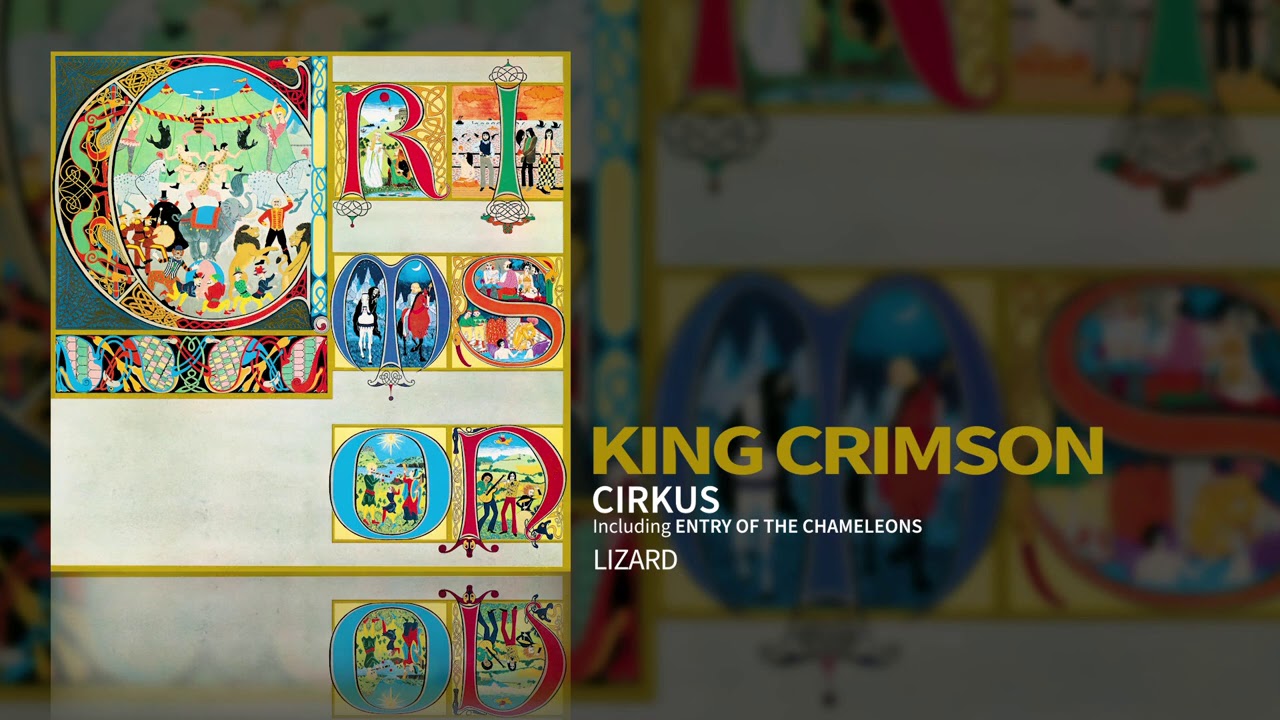
“I joined as an assistant maintenance engineer, and got my big break on the third King Crimson album, Lizard, in 1970. I set the tapes recording for a guitar part, and nobody told me to stop. So it carried on and wiped an acoustic guitar section.”
He offers little detail about the fallout, simply saying: “Robert Fripp wasn’t happy!”
After being in bands at school, Glossop had decided he wanted to combine music and an interest in electronics. Having started a degree in the latter, he dropped out after a year “to do something more creative.”
Following a brief sojourn to Canada – “not the greatest career move I’ve ever made” – he took over from Tom Newman as chief engineer at The Manor Studios in Oxfordshire. It was here that he worked with David Bedford on 1975 album Rime Of The Ancient Mariner.
“That was really instructive,” Glossop says, “because David is essentially a composer, but also very technically-minded, and was fully aware of what you could do.”
He subsequently enjoyed collaborating with Tangerine Dream on their 1975 albums Rubycon and Ricochet. “Truly an improvisational band,” he confidms. “They’d start the tape going, play for 25 minutes, then stop, discuss what they’d done and go again. They had nothing written at all.”
Glossop went on to develop a close relationship with Frank Zappa. “I met him at the Townhouse Studios in 1979, when I was chief engineer. Frank invited me to record his four shows at the Hammersmith Odeon. He liked what I did enough to call me up when I was out in Los Angeles working with Van Morrison.
“Frank wanted me to mix all of Joe’s Garage – a triple album! I just didn’t have the time to do the whole thing. But I did half of it, three sides of vinyl, in 10 days.”
Over the years Glossop also worked with Gryphon, Camel, The Waterboys and Pallas. But he feels he’s known less for his progressive CV and more for his collaborations with Public Image Ltd, Magazine, The Ruts, Ian Gillan, John Lee Hooker, Lloyd Cole – and, of course, his long partnership with Van Morrison.
“I have diverse musical tastes,” he explains. “I love working with bands who are intelligent in the way they approach songs.”

