




Rick Davies and Roger Hodgson’s writing patrtnership – like that of many others – walked a fine line between inspired and volatile. But their collaborations in Supertramp created some of the best-loved songs in prog history. We look back on the best work left by the late Davies, including the song that Hodgson regarded as his former colleague’s best.
Working-class Swindon native Rick Davies and Portsmouth public schoolboy Roger Hodgson were not, on paper, an ideal match. Additionally, Davies grew up on blues and jazz while Hodgson leaned towards an artier strain of pop. But the yin and yang chemistry of their writing defined Supertramp at the band’s most potent.
“I think a certain amount of friction is inevitable when you’re involved in a creative process,” Davies said in 1982. “It’s like two people are painting a picture on the same canvas.”
The pair muddled through two patchy albums before the conceptual classic Crime Of The Century – rich with themes both personal and universal – cracked it. From there they graduated to the sunnier, radio-friendly Breakfast In America before the relationship ran down. Davies carried the Supertramp torch forward, his adaptable voice and musical versatility the enduring foundation of their sound and character.
While he may not have been the primary hitmaker, Davies was an arranger who knew the power of blending heavy narratives with digestible melodies, and of sewing prog/jazz piano solos into complex rock structures. A childhood drummer, he was a master of dynamics. His anti-authoritarian tendencies – blatant on Bloody Well Right – ensured the band gave off a righteous attitude.

If their lack of a starry, flamboyant frontman meant they never splashed out into mainstream icon status (as the similarly underrated 10cc’s Graham Gouldman has said, “We didn’t have a Freddie Mercury”) many of Supertramp’s songs remain beloved and instantly recognisable to millions worldwide.
Davies could come across as gruff and grumpy on record, whether on the dark rumblings of Crime Of The Century or the testy relationship twists examined on Crisis? What Crisis?, but that was the gravel in his voice. “He and the band were so nice to me,” said Joan Armatrading recently, recalling her first support tour in 1975. Later, post-Hodgson, he was pondering the Cold War with the same venom and anxiety he’d previously shown on studies of the self. Education, class and injustice were probed as much as airier topics like spirituality.
Supertramp were somehow both impossible to categorise – at first, Dreamer had everyone thinking they were the new Sparks – and yet pigeonholed, post-punk, as not cool. They were provincial yet they were Los Angeles. But wherever and whatever they were, Davies’ restless Wurlitzer was usually hot-wiring their direction of travel.
Yes, they could be grandiose, but they could also glide, frictionless. It was Davies’ feel, his earthy roots, which kept them kicking, which took them to a higher place.
School (Crime Of The Century, 1974)
Crime Of The Century was Supertramp’s breakthrough, both artistically and commercially, and that scream just before the band come in remains one of the most arresting moments on an album loaded with them. Hodgson has said it was “my song, basically” – but then conceded Davies wrote “a lot of” the lyrics, and the invigorating piano solo that cranks it up a gear.
A plea for intuition rather than regimented education, perhaps comparable to that later advocated by Pink Floyd in The Wall, School would often open the band’s shows. Its pacing and passion informed those brought in by Dreamer that here was a group with real grace and guile, whose protests were as valid as those of more visceral noise-makers.

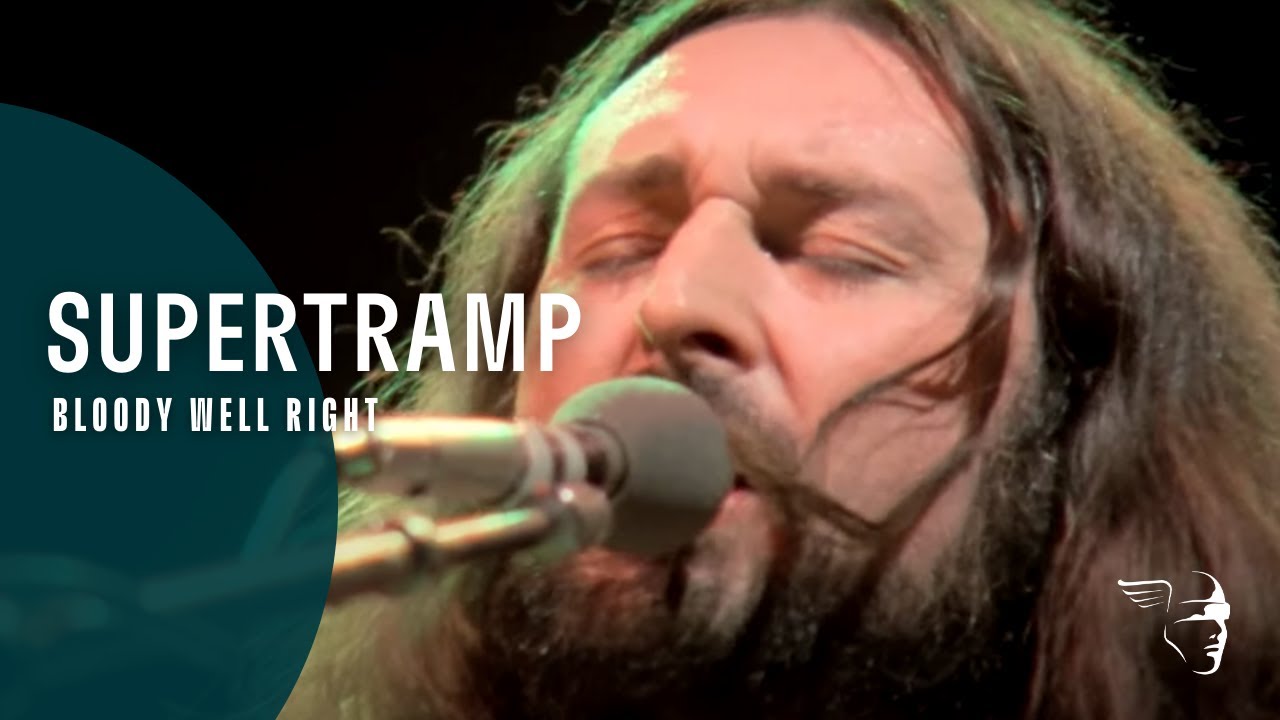
Bloody Well Right (Crime Of The Century, 1974)
Davies gave Crime Of The Century the feel of a narrative concept album – even if it was a loose one – opening with the line: ‘So you think your schooling’s phoney?’ The B-side of Dreamer, it was flipped by US radio, giving them a surprise first US Top 40 hit.
There’s a snarl and bite to Davies’ vocal that contrasts with Hodgson’s gentleness and immediately extends the range of the album. The anti-authoritarian streak persists; and although in 2025 the F-word is everywhere, it’s amusing to recall that in the early 70s deploying even “bloody” was considered quite risqué, even if US radio considered it merely quaintly English.
Saxophonist John Helliwell once observed, “Rick has his feet firmly planted on the ground while Roger’s head is in the clouds.”
Rudy (Crime Of The Century, 1974)
With a train recorded at Paddington Station and crowd noises from Leicester Square, Rudy highlights producer Ken Scott’s ingenuity in the pre-sampling age. It’s also an involving and moving Davies song, which Hodgson once suggested was partially autobiographical.
Youthful confusion, alienation and a frustrated desire to communicate infuse the seven-minute centrepiece. It’s leavened by the fact that the motto “all good things come to those who wait” was indeed coming true for a band whose previous misfires were now forgotten. As the titular character pines for control, the track’s shifts and surges – on the accessible side of prog – exhibit it perfectly.
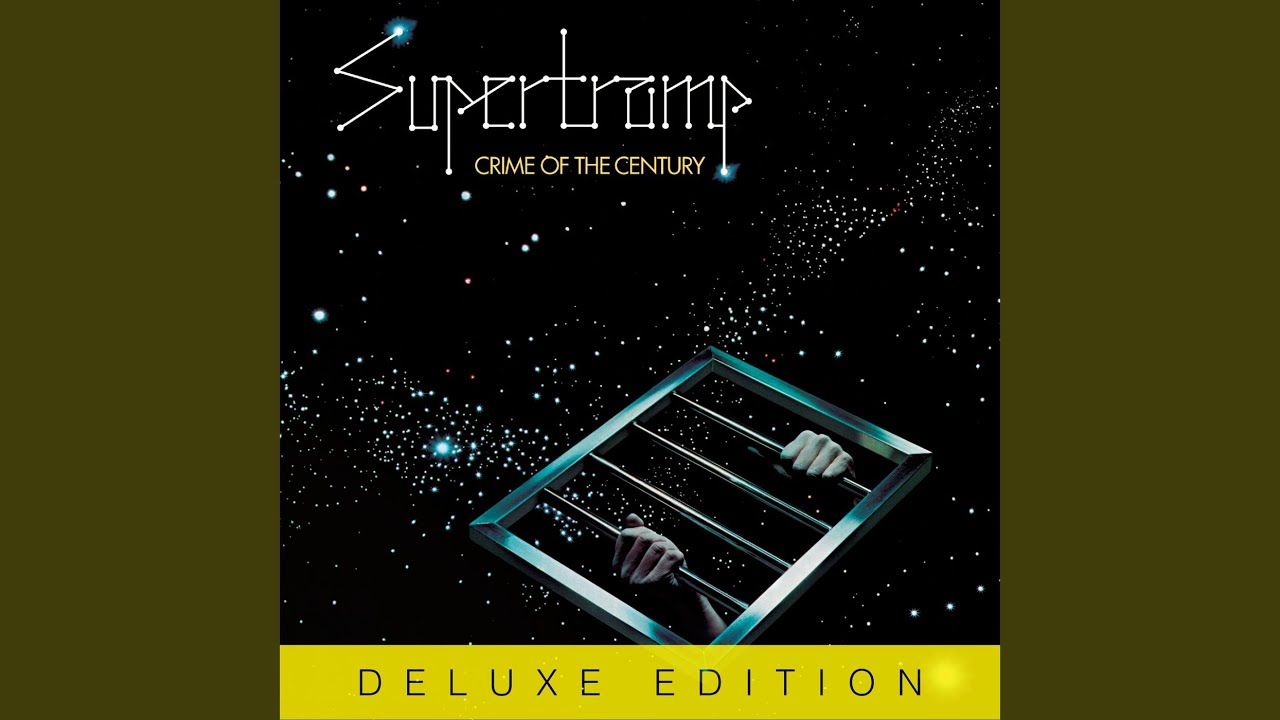
Crime Of The Century (Crime Of The Century, 1974)
Considered the album’s strongest song by the band upon its release, this co-write came together as the group “got it together in the country” at Southcombe Farm, Thorncombe.
It bounced back and forth between Davies and Hodgson as their relationship was beginning to flourish. The phrase “crime of the century” had first been cemented in the public consciousness by the kidnapping and murder of aviator Charles Lindbergh’s young son in 1932. Here, it was used to symbolise the ‘lust, greed and glory’ that were ruining the modern world. But the shock twist is that we are the culprits.
If that seems dramatic, Richard Hewson’s string arrangements and Scott’s water gong push it even further to of the most stirring climaxes in rock history.
Ain’t Nobody But Me (Crisis? What Crisis?, 1975)
Given the haste and pressure under which Crisis? What Crisis? was put together, it’s much better than the band themselves thought. But It just scraped into the UK Top 20, and was panned by Rolling Stone – “The biggest crisis is trying to get through both sides.”
Several songs were holdovers from earlier sessions; however, Ain’t Nobody But Me was a new Davies composition and, after Lady, was the second single… and second consecutive chart flop.
Another song about a dubious individual (‘I’m Doctor Jekyll and Mr Hyde’) it builds on deceptively cheery blues piano before jackknifing into a call-and-response coda, which feels like The Platters or The Inkspots if they’d been directed by David Lynch. French electro duo Justice opened DJ sets with it in the 2000s.
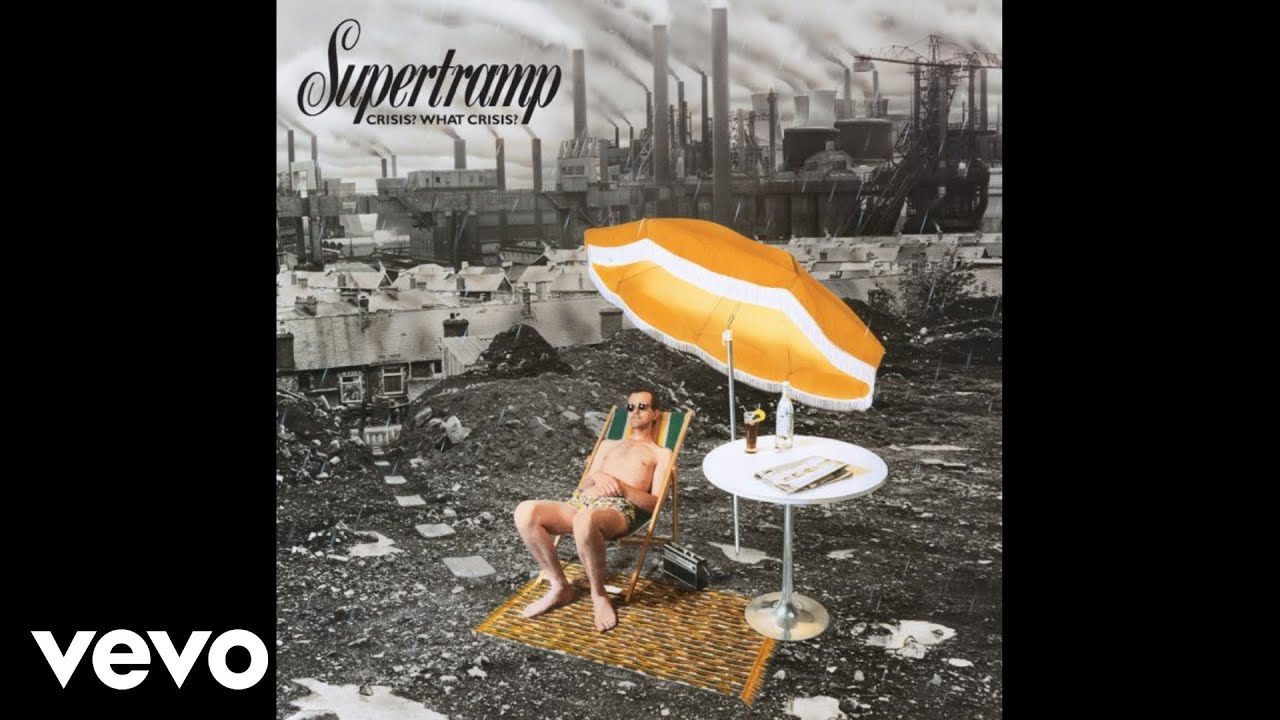
From Now On (Even In The Quietest Moments..., 1977)
Recorded in Colorado and Los Angeles, Even In The Quietest Moments... won the band some chart action back.“What we didn’t realise,” said Davies of the Caribou Ranch studio, “was that the thin air in the mountains makes your voice go weird.”
His endearing From Now On, with his piano alternately pretty and pounding, uses a clever call-and-response device once again, and features a haunting Helliwell sax solo and vamping.
Its protagonist, maybe a distant cousin of Rudy, is a typical Davies anti-hero, a Billy Liar stuck-in-a-rut loser who escapes and finds release by fully embracing fantasy. The angst he puts into the opening word ‘Monday’ evokes the ennui of every fed-up office drone.
Davies’ stripped-back Downstream is another highlight.
Gone Hollywood (Breakfast In America, 1979)
The blockbuster chart-topper and Grammy-winner Breakfast In America offered upbeat pop-propelled singles, which at least on the surface were as jolly as the waitress on the cover. Davies was using a darker ink, though – and Gone Hollywood, his album opener, went through a rewrite or two after his bandmates suggested its lyrical take on LA dreamers was too bleak and cynical. Its rather sudden happy ending sees the wannabe from ‘a dumb motel near a Taco Bell’ ride ‘in a big fine car... the talk of the boulevard.’
If his singing hints that he’s making the song more positive under duress, the gambit worked – the album went quadruple platinum in the States and elevated Supertramp to stellar status.
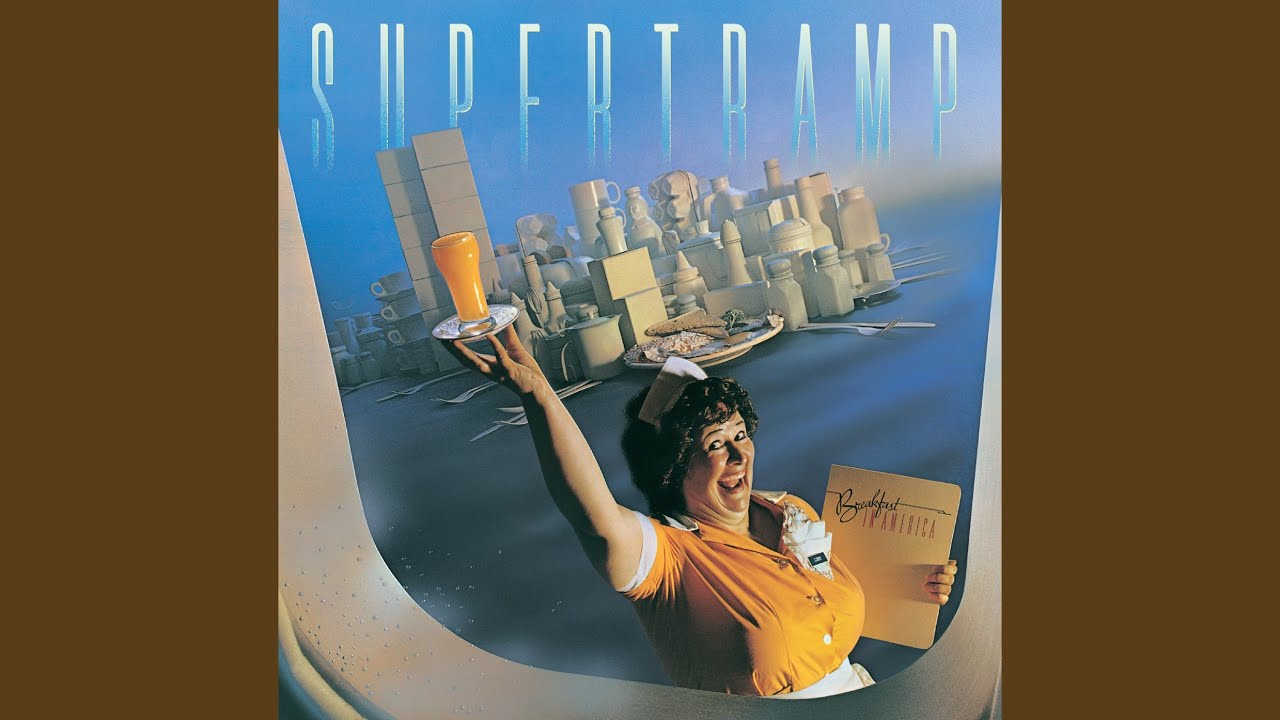
Goodbye Stranger (Breakfast In America, 1979)
As an illustration of how complex the Davies-Hodgson rapport was, they’d initially called the Breakfast album Hello Stranger, and planned using lyrics as a dialogue to discuss their conflicting opinions. “Our ways of life are so different,” said Hodgson, “but I love him. That contrast is what makes the world – and Supertramp – go round.”
This, the third single from the big one, sees Davies’ Wurlitzer piano back to the fore, while he and Hodgson trade falsettos. There’s a rare red-hot guitar solo as the lyrics wink at on-the-road romance and touring mischief – ‘just the thought of those sweet ladies sends a shiver through my veins’ – in a rock’n’roll manner that’s miles from the common ‘precious’ perception of Supertramp.
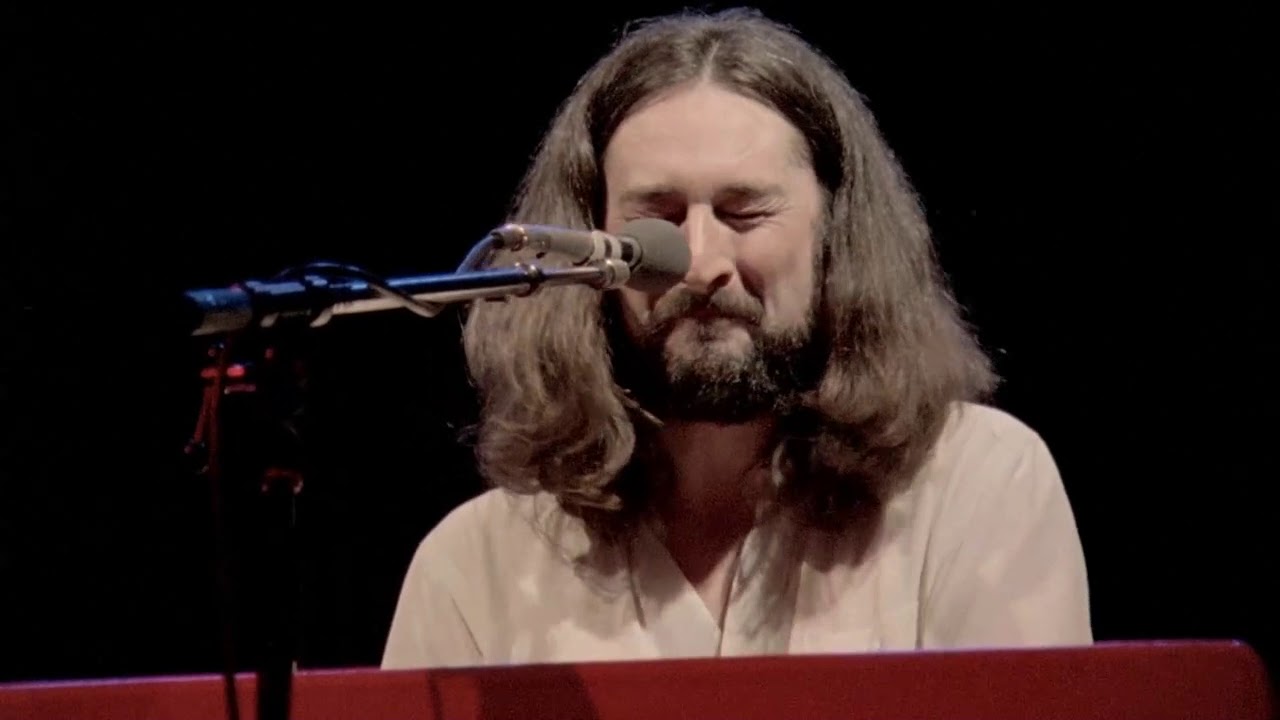
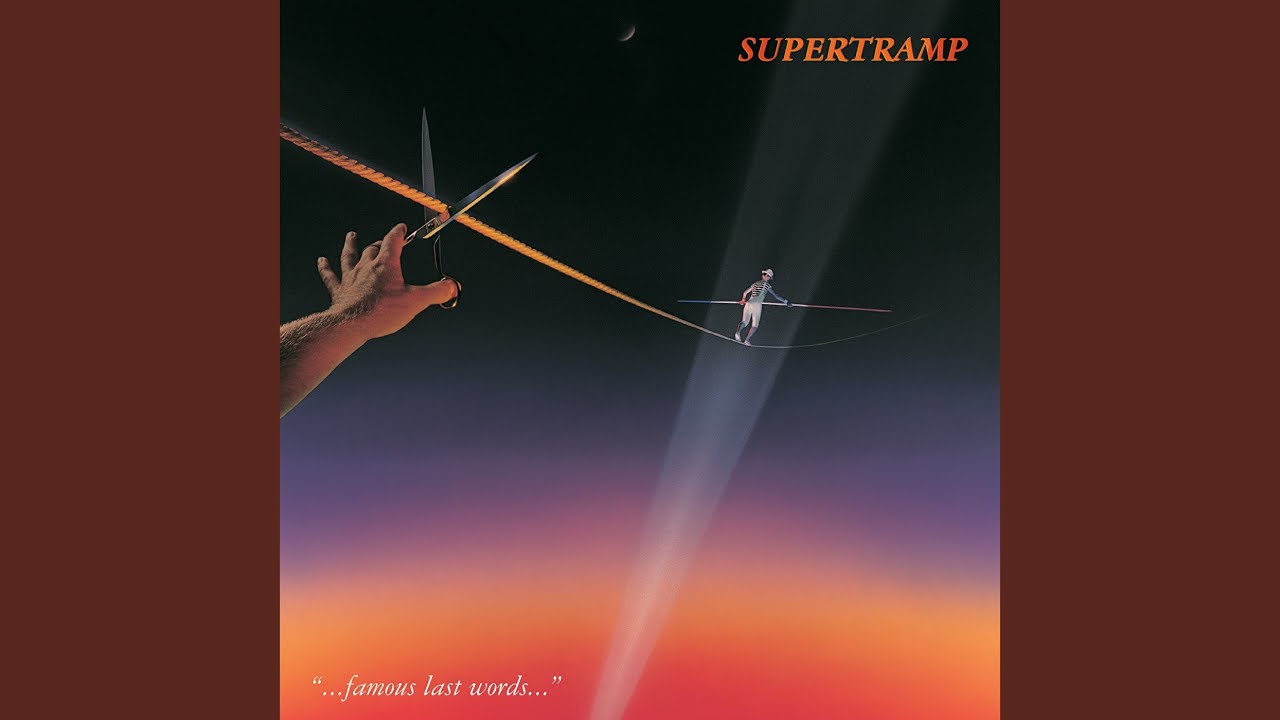
Bonnie (...Famous Last Words..., 1982)
The final album with Hodgson, ...Famous Last Words... was essentially half an album by each. Reviewers blasted it for blandness, although it still went gold – largely thanks to It’s Raining Again – in both the UK and US.
Bonnie is a large-scale love ballad, irony free, on which Davies’ vocal and piano bear a marked resemblance to the Captain Fantastic era of Elton John. Yet his descending keyboard flourishes, and the way the track leans into pomp without getting too po-faced, is undeniably affecting.
Bonnie appears to be rich, famous and unattainable, but the sandpaper soul of Davies’ voice refuses to let the last vestiges of hope go.
Cannonball (Brother Where You Bound, 1985)
Fans may have expected Supertramp without Hodgson to be all prog and no pop, which is why Davies’ opener from eighth album Brother Where You Bound bewildered some and charming others.
This brassy, persistent number bordered on funky – Billboard placed it in the Hot Dance Club Play chart, believe it or not – and the rhythm is bolstered by handclaps and a Count Basie citation. There’s a hint of Phil Collins to Davies’ ruddy-cheeked vocal.
The line ‘I’m washing my hands of you/How could you be so untrue?’ – was not aimed at Hodgson, as some guessed, but at an inept gig promoter. The album was premièred to journalists aboard the Orient Express, and the Cannonball video was made by Steve (Billie Jean) Barron – proving that A&M were giving it a shot.
Brother Where You Bound (Brother Where You Bound, 1985)
Prog powered the 16-minutes-plus of the extraordinary title track, while politics and the Cold War featured throughout the album. Here we get fear of a ‘red cloud,’ George Orwell readings, and an excerpt from The Internationale.
There are also guitar solos from David Gilmour. “We sent him a demo. He decided he’d like to do it and was very reasonable,” Davies recalled in 2020. Scott Gorham of Thin Lizzy plays rhythm guitar.
The formidable epic had been Davies’ pet project for years. Supertramp had demoed it for ...Famous Last Words..., but Hodgson told the LA Times: “He didn’t want to put his masterpiece on an album where the vibes were so bad. That’s probably the best thing he’s ever done.”


