


In 2023 Rush guitarist Alex Lifeson recalled how bandmate Geddy Lee’s fascination with synthesizers led to him feeling muzzled during the 80s – but explained why he’d never hated the addition of keyboards to their sound.
The first 15 years of Rush’s recording career can be divided into clear chapters, each consisting of four studio albums bookended by a live album. Their 1982 studio record Signals kicked off their third chapter, aka ‘the keyboard era.’
Its successors saw the band charting a slightly wayward course, torn between the synth-heavy sounds of the moment, largely down to Geddy Lee, and their traditional guitar-centred sounds, via Alex Lifeson.
“I guess I just fought for my guitar rights for years after Signals,” says Lifeson. “Of course, on the albums that followed, we really developed the whole keyboard character. But it was a bit of a fight.”
Grace Under Pressure, released in 1984, went some way to restoring the balance, bringing Lifeson’s guitars further up in the mix. “There’s something about the sound and the power and the songwriting quality that really strikes me,” says Lifeson. “I really love that record.”
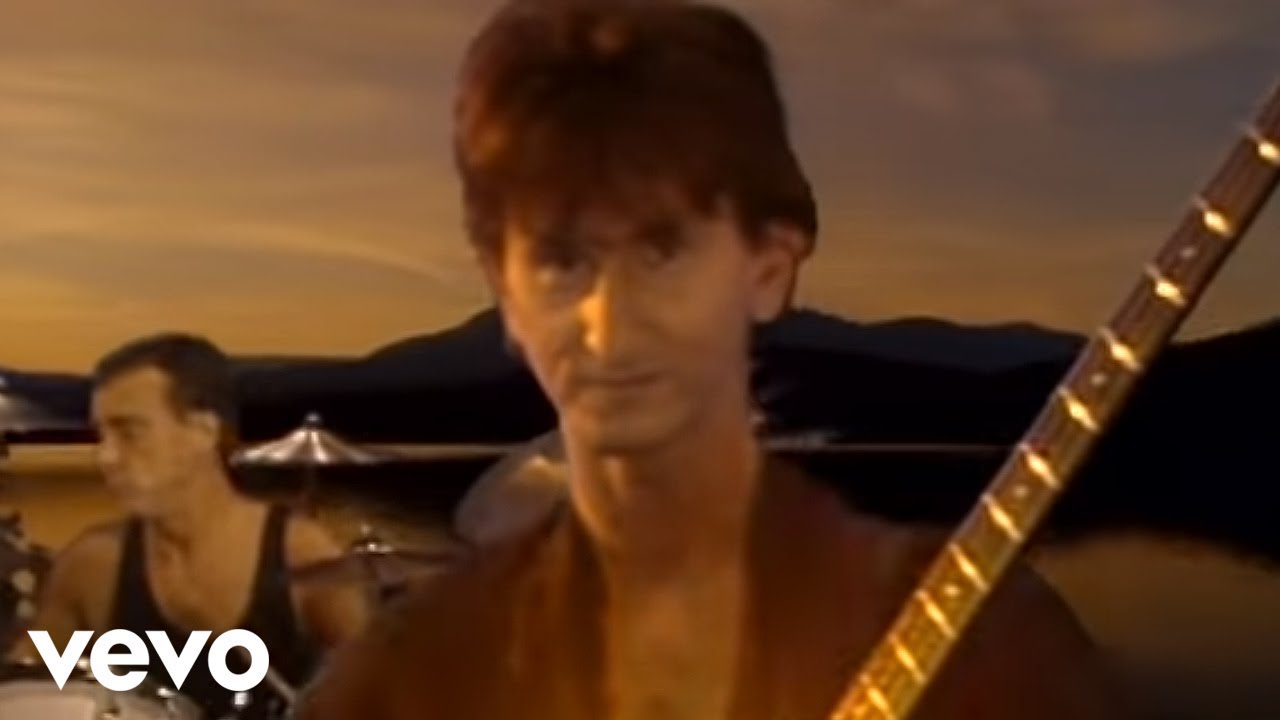
Lee’s keyboard obsessions peaked on 1985’s Power Windows, an album that, sonically at least, came over like a more refined, glossy version of Signals. Lifeson told Classic Rock that he found the record “a challenge – but I thought, ‘Go with it. It’ll work out in the end.’”
It would, but it took a few more albums. Despite featuring Lifeson in a more prominent role – and one of the all-time great Rush singles in Time Stand Still – 1987’s Hold Your Fire has been written off by many fans as a bloodless misfire.
The 1989 live album A Show Of Hands was a de facto end to the keyboard era; but Presto, released in the same year, felt like a continuation, though it was better received than its predecessor.
“The 80s was tough for me at times as a guitarist,” concedes Lifeson. “I missed the more direct hard rock approach. But I think we came back around to that for [1993’s] Counterparts.”
He reflects: “I know I’ve come across as being very down on us using keyboards, but that’s not the case. When we started using keyboards and bass pedals and things like that, it was a group effort. We wanted to expand our sound but we didn’t want to add any more members.
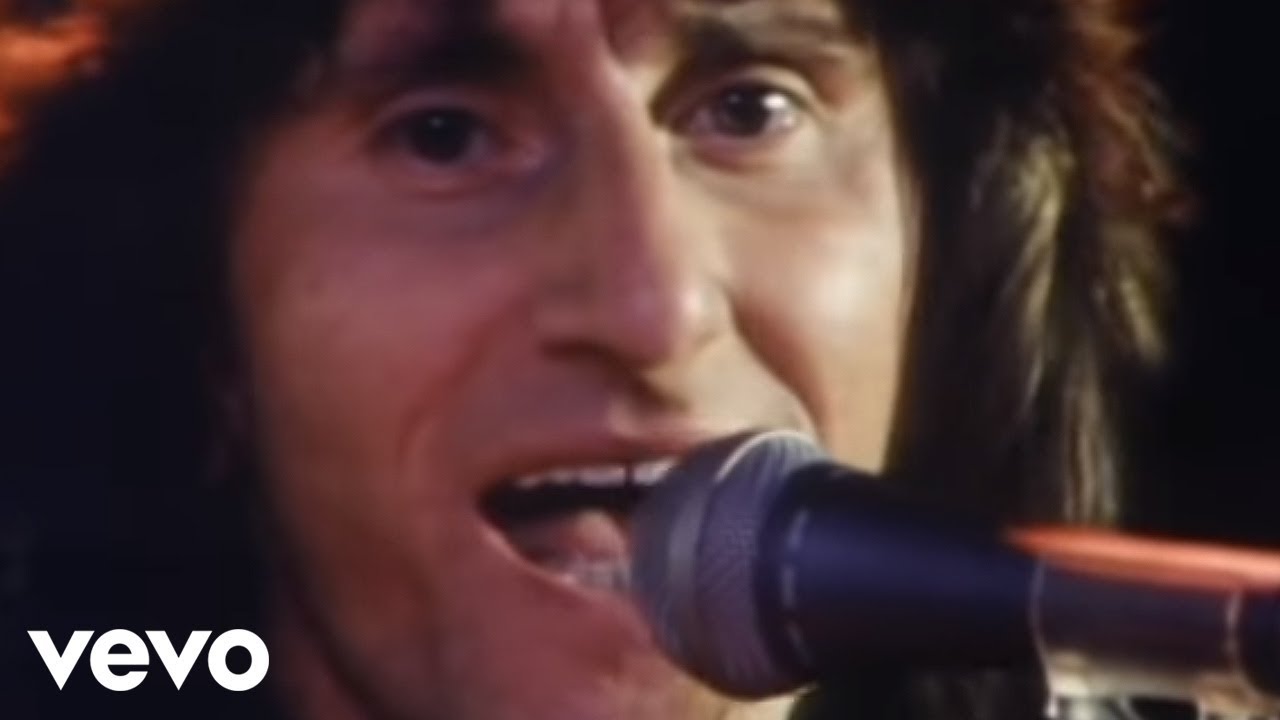
“I was happy to use them, I thought they did a great thing for our sound. But when they started taking priority, that’s when I started having some issues with keyboards.”
Ultimately the guitarist accepts it was all part of the Rush mission. “You could stay where you are and do the same thing over and over and over again, but that’s not the kind of band we are,” he says. “Progress is important to us. We always need to go somewhere else.“
But Lifeson hints at just how difficult he found some of those 80s albums. “We would all get behind the console and we would all have jobs – turning a knob, pushing a fader at a certain point, those sorts of things,” he says of working on Subdivisions for the Signals album.
“I was sitting there thinking, ‘I can’t hear guitar.’ I’m a very easy- going guy, but I thought, ‘This is not right.’ So I pushed that fader up. I remember Terry [Brown, producer] turning to me, smiling, reaching over and pulling it back down. I haven’t forgotten that.”

