




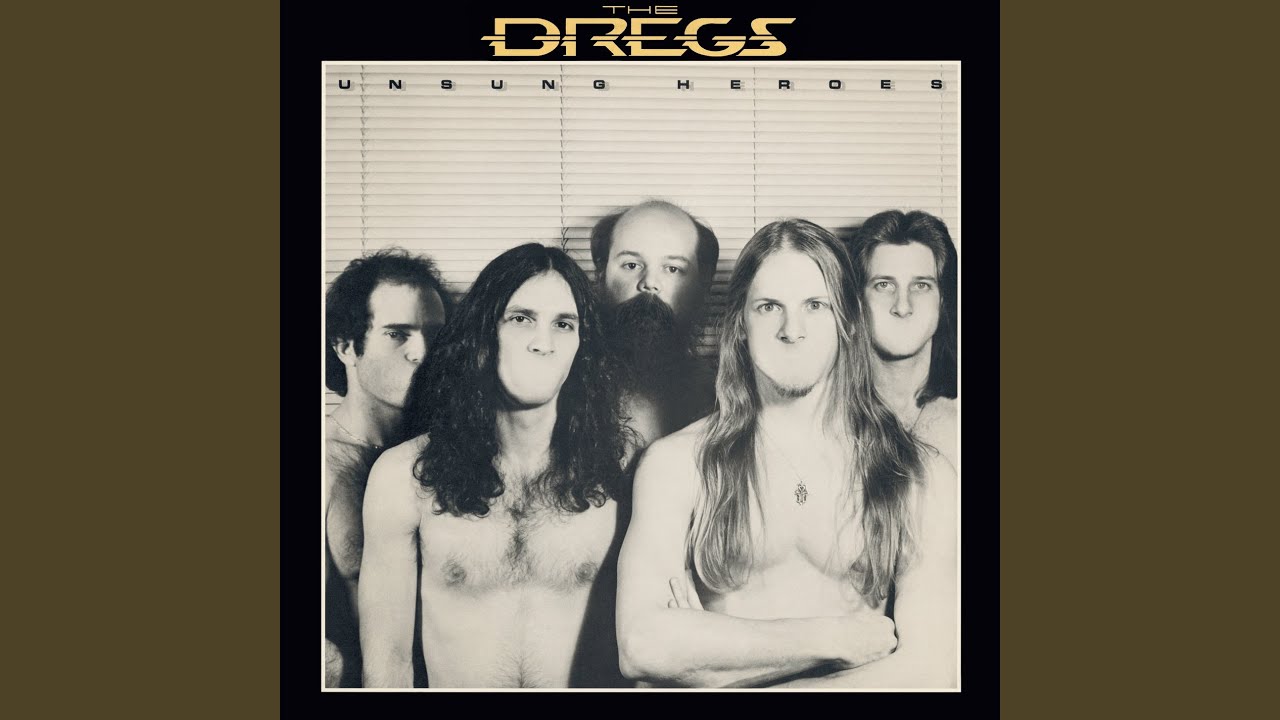
Since emerging from the University of Miami in the mid-1970s, Steve Morse has enjoyed a storied and multifaceted career spanning six decades. He came to prominence initially with the Dixie Dregs then led his own Steve Morse Band before stepping into the ranks of American prog icons Kansas. Later he would spend 28 years with Deep Purple and he’s also been part of prog supergroup Flying Colors.
How old were you when you first picked up a guitar?
About 10 or 11. I was learning how to do wheelies on my bicycle – that was about the pinnacle of my childhood! My brother brought home a guitar and was learning the three chords for his first lesson. Maybe I could get lessons too? There were group lessons at our music store for $1.50 each. The store rented me a guitar for $5 a month, a Gibson LG-O acoustic. I was left-handed, but the instructor said, “We don’t have any left-handed guitars. Try this” – a regular right-handed guitar. So that’s the way I learned.
How important was your time at the University of Miami to your musical development?
Huge. At the age of 16, I found out I was admitted. I’d just gone through getting kicked out of the entire county public school system – every two weeks they would kick everybody out that had hair that touched their ears. Somebody on the school board found out that we were wearing short-haired wigs!
I had good grades in school and was a junior class president at the time. So I enrolled in the local college for summer classes and then transferred to the University of Miami through the music school, and also the electrical engineering programme – the two things that I was interested in.
At that time there were only three places in the country that you could bring your guitar to. Berklee had a very embedded reputation for bebop jazz, and it was in Boston. That was a long way away, and so was North Texas State, which also had something. Miami was closer for me.
But the music programme at Miami wasn’t ideal. I was very interested in classical guitar. I wasn’t that interested in the jazz department, because I was playing Jimmy Page songs and weird, teenage angsty music. So I didn’t know how that was going to work out.
When I got there I didn’t fit in with the classical people; I wasn’t advanced enough. And the jazz people were laughing when they saw me at the audition with my Telecaster – that wasn’t the right presentation. You were supposed to have an acoustic hollow body guitar with a pickup on it, like Wes Montgomery.
So they rolled their eyes and said, “Put him in the rock ensemble,” which was really a Latin jazz group. There were only six of us in that programme; guitarists like me that failed the jazz audition. So Miami started off really bad, but being around all those other guitarists, suddenly I could relate to them.
During that year I wrote a lot and played with people. We did hybrid music, crossing between jazz and rock, using polychords. I ended up writing and presenting ideas that were closer to what Kansas were doing than to what Jimmy Page was doing. And that started my shift away from pure rock.
Having seen The Mahavishnu Orchestra play too, the world was starting to open up for me compositionally. By the end of my first year I knew what I needed to work on.
I was never going to be a hit songwriter. I wasn’t embracing the concept enough to be good at it
When did you become confident that you’d be able to carve out a career as a professional musician?
Right around when I thought to myself that the music that I liked was never going to be big or achieve the big numbers, but if I worked hard I was going to be okay. I knew I wasn't destined to be a rich star; I knew I could come up with stuff that people would like to listen to. Although I never could come up with stuff that record companies wanted to listen to!
But I felt like that people were reachable if I could get in front of them. I said to myself, “It’s going to be a modest existence, but it’s going to be possible. I have to work hard and be versatile, be ready to play lots of different kinds of gigs.” And that’s exactly what happened.
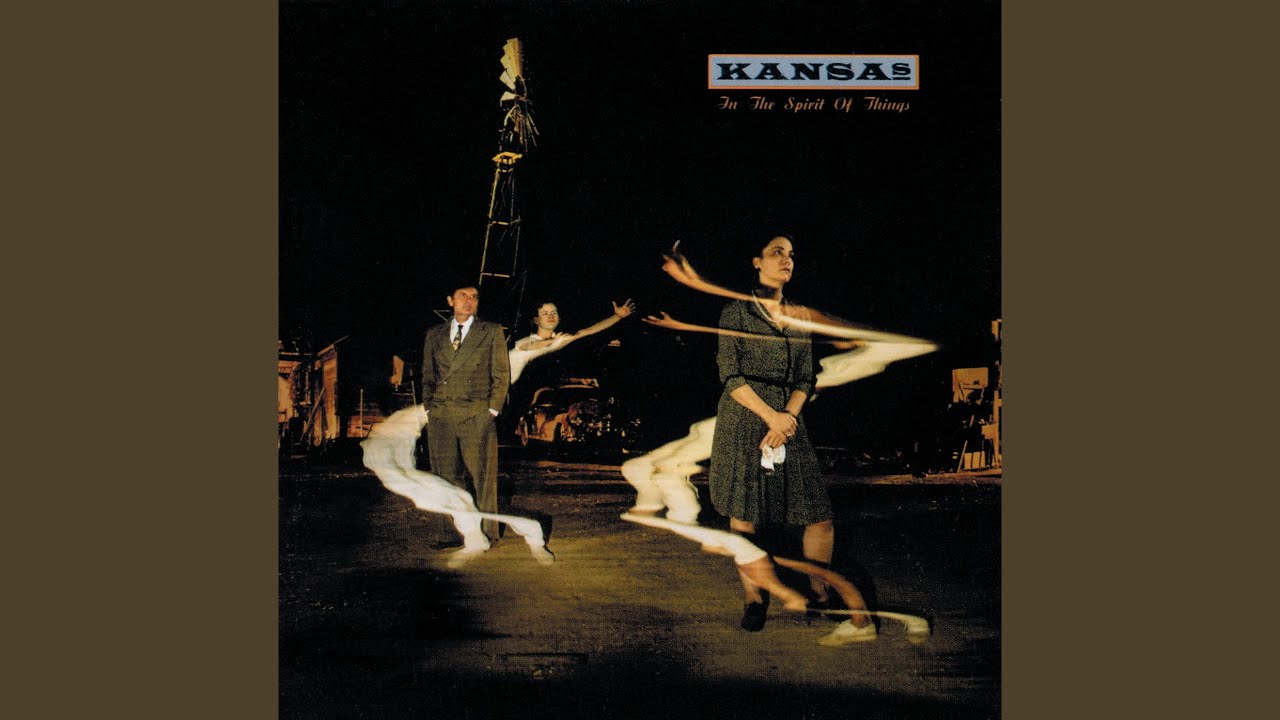
You later recorded two studio albums as a member of Kansa – 1986’s Power and 1988’s In The Spirit Of Things. Could you ever have imagined you’d join that band?
No, I was surprised! They were getting together again with Steve Walsh, which was exciting news, and they asked if I had any song ideas. I was really just hoping to co-write a tune or two. When things happen gradually and naturally, you don’t notice it happening; it just seems normal. Pretty soon that’s your routine. It was very organic, with good chemistry between everybody.
For the second album there was a big push to have hit singles; they wanted to come to the next level. I was game to try, and I went out to LA with Steve Walsh and Phil Ehart to work with some writers. Bells Of St James was the most Kansas part of that album to me – something Steve and I worked on together and which turned out good.
But a lot of it was foreign to me, and I felt I was on the outside looking into a world that I didn’t fit in. I was never going to be a hit songwriter and I knew I wasn’t embracing the concept enough to be good at it. All of a sudden the idea of having a job outside the music business reared its head.

