


Robert Plant tells the story of how he first met the Canadian folk singer Bonnie Dobson: “A few years ago I bumped into Bert Jansch – I dared to knock on his dressing room door. Anyway, it was fine, and we found amazing similarities in roots and influences from the places we’d been. It was a beautiful thing. It reminded me that in the 60s I used to sing this song, with Band Of Joy, that was immortalised by Tim Rose and the Grateful Dead.
"Later I recorded it [with Strange Sensation on 2002’s Dreamland]. And now there’s a knock on my door, and there’s this lady standing there who says: ‘Hello, Robert. You’re singing my song.’ That was the great Bonnie Dobson, and the song is called Morning Dew.”
Plant wasn’t the first to record Morning Dew. The song has a colourful history, not least because Tim Rose usurped the credits and some publishing royalties in 1967 – and Dobson wouldn’t be recognised as the sole writer for more than 30 years.
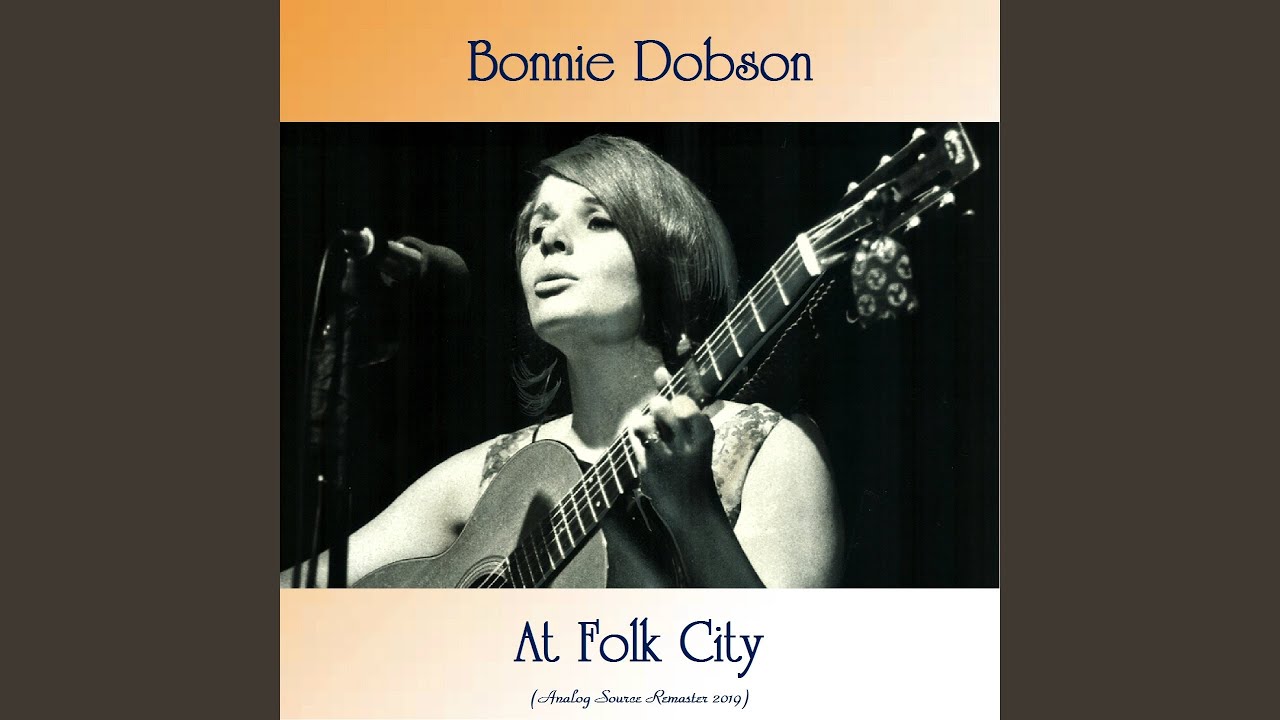
Dobson was a 20-year-old wannabe folkie living in West Los Angeles when she wrote Morning Dew.
“I was at a girlfriend’s house discussing nuclear destruction,” she recalls. “Everyone was very gloomy long before the Cuban Missile Crisis. We believed atomic annihilation was imminent. School kids were still told: in the event of a nuclear blast, hide under your desk.
"A few months earlier I’d seen the movie On The Beach. It describes the end of the world viewed from the southern hemisphere, and they’re waiting for the fallout. Anthony Perkins plays a character in the navy and he’s talking to his wife about committing suicide and killing their daughter before the radiation hits. It’s extremely bleak.
“That evening I went back to my little room. I had the lines and the chords in my head. I wrote Morning Dew in minutes. It was the first song I’d ever written. I played it down the phone to a girl I knew and she said: ‘Yeah, not bad.’”
Dobson’s folk-singer career took off. She earned a living touring with Sonny Terry & Brownie McGhee in 1960. In the midst of the folk-rock boom, she toured the States alongside Judy Collins, Richie Havens and Mississippi John Hurt.
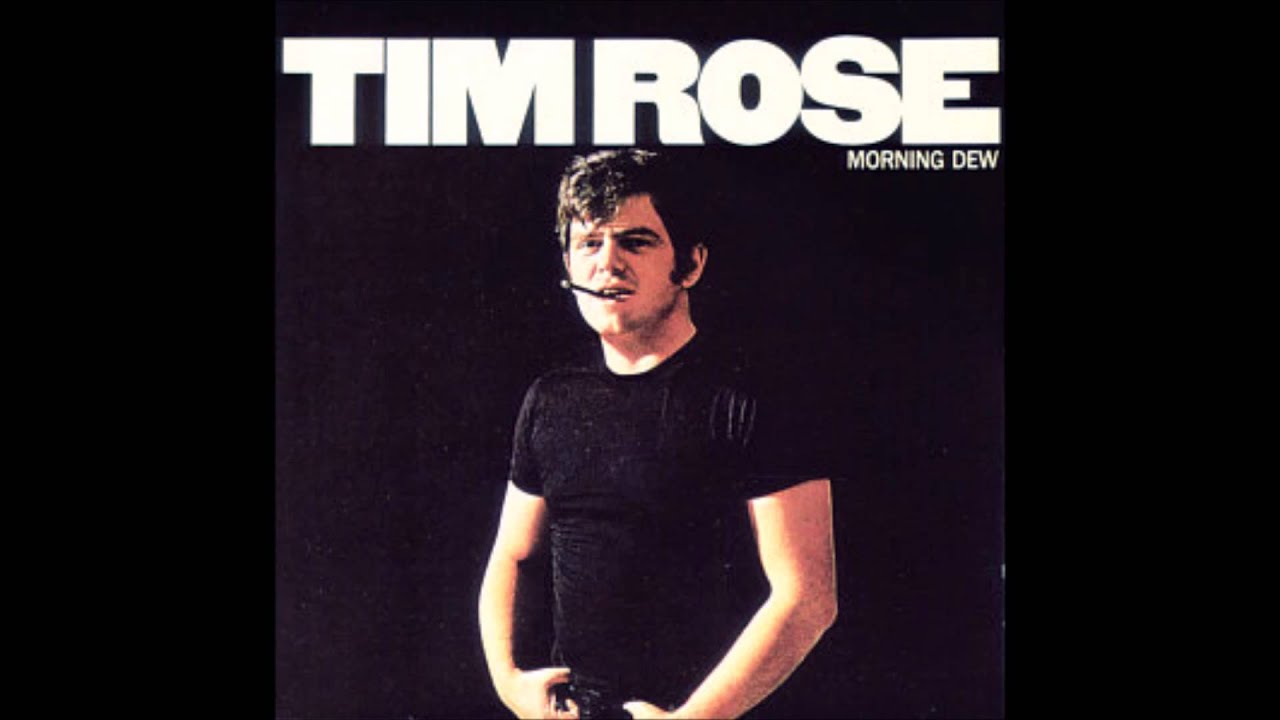
Her signature song was first covered by the Briarwood Singers, then by Fred Neil & Vince Martin for their album Tear Down The Walls, Fred changing the opening line from ‘Take me for a walk in the morning dew’ to ‘Walk me out in the morning dew.’ That was the version Rose copied for his debut album. (Rose also claimed to have written Hey Joe, to which Billy Roberts is generally given entitlement.)
“In some ways it was my fault – I was so naïve,” says Dobson. “I first recorded the song after playing it live at the Mariposa Folk Festival in Orillia, Ontario, at Folkways Studio, downtown Manhattan.”
Dobson is too modest to mention that she went to Folkways after rehearsals at Gerdes Folk City with Bob Dylan and Phil Ochs – the three of them having an acoustic face-off in the tiny basement. All three had that day’s songs (lyrics and chords) published in the mimeographed tip sheet Broadside. Dylan had publishing with Columbia (he called himself Blind Boy Grunt), but Dobson’s song became Public Domain. And while Elektra’s Jac Holzman signed her to his offshoot Nina Music, nothing prevented Rose from sticking his moniker in brackets.
Rose’s cover was released as a single, and the Grateful Dead heard him sing it on the road in late ’66. Between the pair of them, it took off. It was interpreted by various rock groups, including Ian Gillan’s pre-Purple Episode Six, then the Jeff Beck Group on Truth. The early Allman Brothers cut it, as did Lulu, Lee Hazlewood, Nazareth, Blackfoot, the Screaming Trees and Einstürzende Neubauten.
“In my mind, it will always be post-apocalyptic, but it’s open to interpretation,” says Dobson. “The song is a conversation between a man and a woman, so the groups thought it was like a courtly love song.”
They did, and homed in on the magnificent melody and chord changes, which cried out for dramatic guitar solos and masculine angst.
Dobson recorded the song twice in the 60s: first on her third album, At Folk City, then on her self-titled 1969 RCA LP. (She also re-recorded it on her 2014 album Take Me For A Walk In The Morning Dew.) Thereafter, she left Canada and moved to London, but didn’t chime with the English folk scene. She became an academic administrator at Birkbeck College.
“I never met Tim Rose, but I went to see him at the Half Moon, Putney. When he announced the song, I shouted: ‘How about giving the writer some credit?’ He was conciliatory, then he turned testy and said: ‘Why the… should you complain? You get your 75 per cent!’”
Dobson came across Rose again at the Queen Elizabeth Hall. This time he was civil. “He knew I was there, because when he intro’d the song he called out: ‘Hey Bonnie. I love you.’” By this time, Dobson had seen Tony Morris, who deals in contractual and intellectual property. He restored some parity.
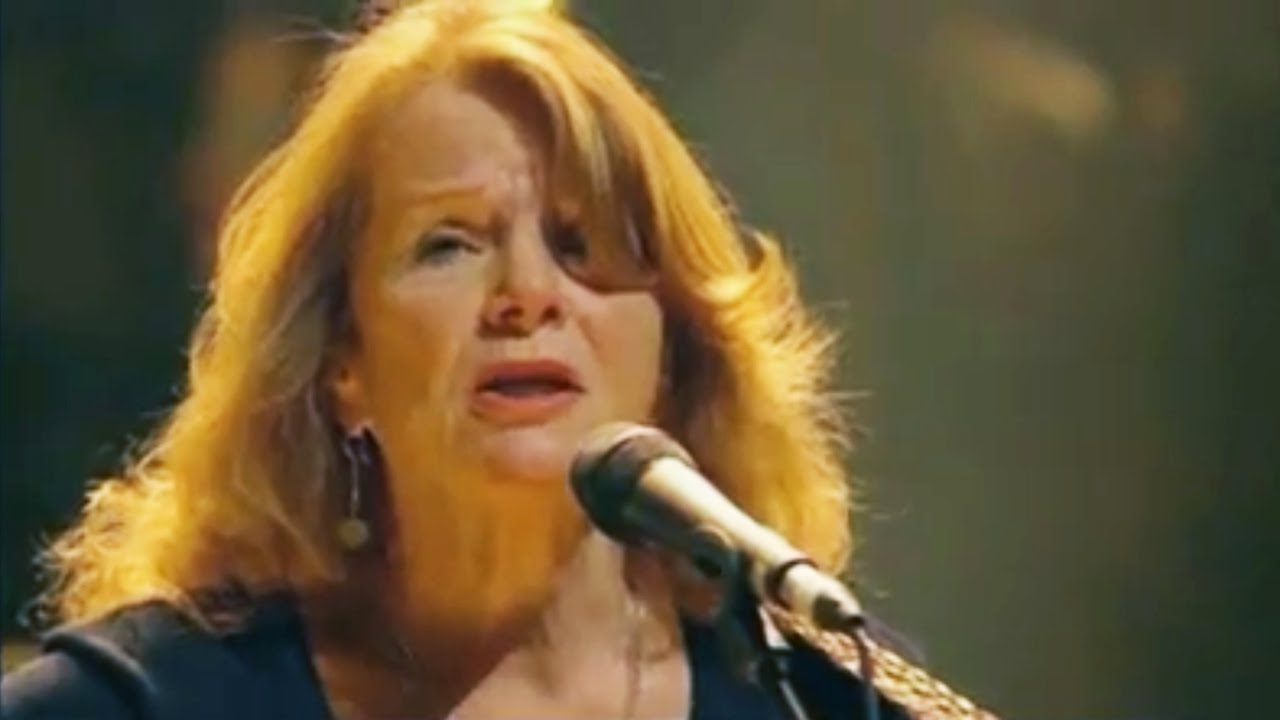
After years off stage, Dobson was coaxed back by Jarvis Cocker at the 2007 Meltdown Festival, then sang Morning Dew with Robert Plant, Bernard Butler and Danny Thompson at the Bert Jansch Tribute Concert in December 2013 at London’s Royal Festival Hall.
“Probably my proudest moments, because my kids got to see me perform. And when Robert introduced me I achieved closure. I felt like I’d got my song back for the first time since 1961.”
Bonnie Dobson's latest album Dreams, recorded with the Hanging Stars, was released in July 2025. Copies are available from Bandcamp.

