




At the start of the 2000s, Limp Bizkit were the biggest band in rock and metal. It was a position that was always going to be hard to maintain, but when the drop off came, it was brutal; the departure of an iconic member, scathing reviews from basically every music outlet on the planet and the band being held up as figureheads of a nu metal genre that was quickly dying in front of the world all hit at once. Even when the band wrote a song that ripped off some post-hardcore legends and roped in some Hollywood superstars, it couldn’t stop the slide.
Although Limp Bizkit had released one of the biggest albums of the era with 2000’s Chocolate Starfish and the Hot Dog Flavored Water, a record that had sold an astonishing 1,054,511 copies in its first week of release in the US, there was a significant backlash against them. Kerrang! Magazine voted it the worst album of the year, and Limp Bizkit as the worst band.
Filter’s Richard Patrick, one of many rock musicians to show open distain for the band, had called frontman Fred Durst “an embarrassment to us all” after Durst’s MTV Video Music Awards performance with Christina Aguilera. Sadly, it was going to get worse for them before it got better.
Nothing can describe the sadness and anguish we're feeling
Limp Bizkit
On January 26 2001, during a date of the Big Day Out Tour in Australia, tragedy struck as 16-year-old fan Jessica Michalik lost her life in a crush during the band's set.
"We are devastated that Jessica died and really nothing can describe the sadness and anguish we're feeling," said the band in a statement. "We offer sympathy, prayers and compassion to her family and friends. The loss of her life will impact ours forever."
Later that year, in October, the band's iconic guitarist Wes Borland left, with Durst promising to “comb the world for the illest guitarist known to man” to replace him.

They did so by launching a nationwide competition named Put Your Guitar Where Your Mouth Is. It was something of a flop, with guitarists waiting for hours to audition in various queues around the world, before Bizkit settled on asking known quantity in Mike Smith, of former tourmates Snot, to join the band. It lead to accusations that Limp Bizkit had no intention of giving the unknown guitarists a shot at all, and were just attempting to keep interest in the band.
Frankly, the PR around Bizkit was pretty appalling around this time, and when you add in excitement around the emergence of the New Wave of American Heavy Metal with bands like Lamb of God, Killswitch Engage and more rising, it was obvious Durst et al were teetering on the brink and needed to come back with a killer new album.
The rapper came out swinging, telling MTV that Smith "creatively fit like a glove,” continuing: “It made life easier and more positive. It made us look forward to getting together as a band so much more. The positive effect he had on me just made the whole experience of Limp Bizkit feel like a brand new entity."
The brand new Limp Bizkit went into the studio in May of 2003 to record Chocolate Starfish’s follow-up. It was immediately clear that this was going to be a very different album; guest spots from the likes of Ministry’s Al Jourgensen, Helmet’s Page Hamilton, Weezer’s Rivers Cuomo, Jay-Z and Bubba Sparxxx were all scrapped to make something more akin to where Fred’s head was at.
He told MTV that his inspiration for the album was more "classical, Patsy Cline, Mazzy Star, the Cure...a lot of things that make me feel sensitive and vulnerable."

All a bit weird-sounding for a Limp Bizkit album. But these influences were certainly not prevalent on the first single from their forthcoming record; Eat You Alive was an angry, riff-driven cruncher of a song, inspired by the idea of a normal working-class man obsessing over a rich girl that is way out of his league. It was something that many fans believed was in reference to Durst’s alleged relationship with pop star Britney Spears.
“Eat You Alive, it’s very sexual, it’s very strong,” Durst said during the making of the song's infamous video. “It’s just saying, ‘If I could smell you, just looking at you, if in any way I could interact with you, I’d just eat you alive.'”
Durst also said the song was a direct move away from Limp Bizkit’s nu metal roots, and while that is somewhat true, it also seems to borrow an astonishing amount from Fazer by New York post-hardcore legends Quicksand, from their classic 1992 album Slip. Listening to the pair of tracks next to each other, it’s quite astounding just how similar they sound.
Eat You Alive, it’s very sexual, it’s very strong
Fred Durst
Regardless, Fred decided to direct the promo clip for the song himself, marking his first work as a director. Big name actors Thora Birch and Bill Paxton were roped in to star alongside the band, with Birch being tied to a chair in the woods by Durst’s obsessive stalker, whilst Paxton plays the man trying to apprehend Durst and save the day.
Watching it back today, it’s really not a great clip, the fun, cartoony Limp Bizkit we'd previously seen doing the Rollin’ dance with their squad on top of the World Trade Center coloured by a grim, grotty and rather nasty aesthetic. Bizkit were trying to move with the times, but they threw away everything that made them so enjoyable. It just didn’t suit them.
When Eat You Alive was released on September 15 2003, it flopped pretty hard. Charting positions of 10 in the UK and 20 in the US weren’t terrible, but the response from critics and fans was far less positive. The NME summed up the mood around the band when they stated that Limp Bizkit “just don’t matter anymore” in their review of the song.
A week later, fourth album Results May Vary was released to a torrent of negativity from critics and disappointing sales, and an overall sense of malaise immediately set in around the band.
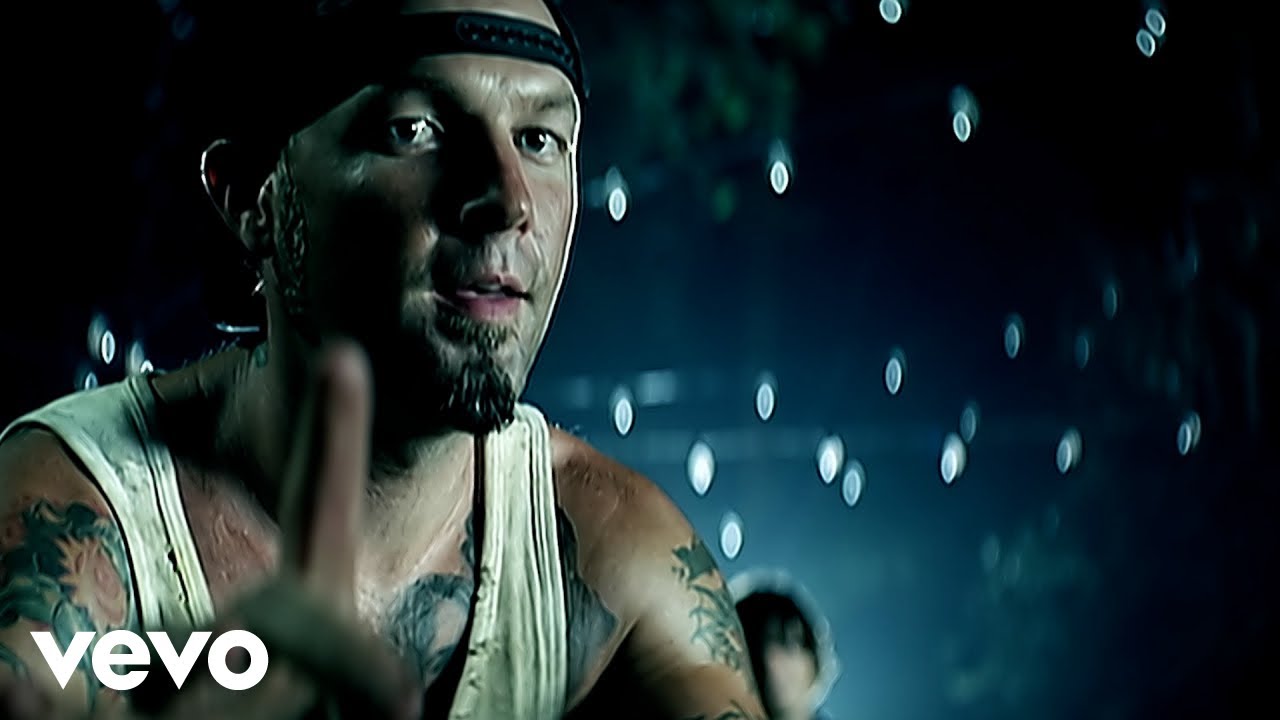
Mike Smith left soon after, Eat You Alive was named the joint worst song of the year in a Spin readers poll alongside Headstrong by Trapt and Me Against the Music by Fred’s supposed ex Britney, and Bizkit all but vanished commercially and creatively for a while.
It took their 2009 reformation with Borland for people to remember just how much they loved Limp Bizkit, and today they're very much back to being as big and beloved as they were at their commercial peak.
It says much about the healing nature of time that when Bizkit dropped Eat You Alive during their headline slot at the 2026 Download festival, rather than being met with grumbles and apathy, the entire crowd sang along to Fred’s weird stalker grunge rager, something that, if you were there at the time, you would never have imagined happening. Eat You Alive endured, then, and needless to say, Limp Bizkit had the last laugh.

