
Nine Van Morrison albums to listen to and one to avoid: "An astonishingly deep catalogue"
Van Morrison forged a singular blend of Celtic mysticism, soul and R&B that produced some of the most revered albums of the rock era
Van Morrison first emerged in the mid-60s as the frontman of the Belfast group Them. The band’s debut album The Angry Young Them (1965) still courses with excitement today: raw, urgent rhythm and blues delivered with youthful swagger and intensity. Hit singles Baby Please Don’t Go – and its even more classic B-side Gloria - and Here Comes The Night placed Them firmly within the orbit of the British blues boom that produced the Rolling Stones and The Yardbirds.
At this stage Morrison’s vocal style bore an unmistakable kinship with Mick Jagger’s – the same R&B phrasing, harsh tone and half-spoken attack – and the young Belfast singer sounded every bit as charismatic as his London counterpart.
After Them split up in 1966, Morrison’s solo breakthrough came the following year with Brown Eyed Girl, a bright, infectious pop single from his debut album Blowin’ Your Mind! that has since become by far his most widely recognised song. With more than a billion streams on Spotify, it is one of the most celebrated pop recordings ever made and continues to introduce successive generations of listeners to his voice. Yet the breezy charm of that first hit only hints at the artistic leap that was about to follow.
Within a year, Morrison released Astral Weeks, an album unlike anything else in rock music before or since, followed two years later by Moondance. These records stand as twin pillars of his catalogue – one mystical and exploratory, the other warm, elegant and grounded in songcraft.
From that point on, Morrison settled into the role he has maintained ever since: not a pop star chasing trends, but a working musician and songwriter following his own highly distinctive lodestar. He has produced an astonishingly deep catalogue drawing on soul, jazz, folk, gospel and Celtic music, and albums ranked ‘good’ for Morrison would be ‘classics’ for most other artists.
Since the 90s he has continued to release albums of quality and conviction with remarkable regularity. But the bar he set through the 60s and 70s remains so high that his later work inevitably struggles to compete with the mythic stature of those early records. Morrison himself seems unconcerned by such comparisons; he regards songwriting and recording as the work he was born to do, and continues to pursue it with undiminished commitment to this day.
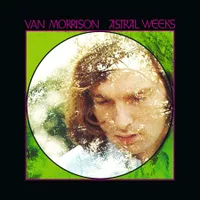
Astral Weeks (Warner Bros, 1968)
Recorded with a small group of jazz musicians, Astral Weeks remains one of the most singularly original albums in modern music. Its songs unfold as drifting streams of consciousness, carried by acoustic guitars, fluid, acoustic bass lines and Morrison’s freestyling voice.
The extended centrepieces Cyprus Avenue and Madame George capture the album’s dreamlike intensity. A fusion of folk, jazz, soul and Celtic imagery, the album feels intimate and otherworldly. Astral Weeks’s precise combination of musical and spiritual elements has never been replicated by Morrison – let alone anyone else.
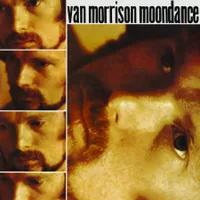
While Astral Weeks introduced Morrison the mystic poet, Moondance established him as a master songwriter and bandleader. The album transforms his improvisatory musical instincts into beautifully structured songs steeped in jazz, soul and rhythm and blues.
Tracks such as And It Stoned Me, Crazy Love and Moondance illustrate the record’s warmth, elegance and melodic assurance. Nimble drums, walking bass lines and exuberant horn and vocal arrangements give the music a relaxed sophistication. Where Astral Weeks drifts and dreams, Moondance moves with alert confidence and perfect compositional balance.
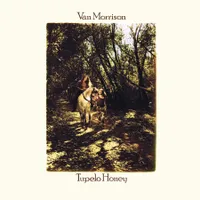
Tupelo Honey (Warner Bros, 1971)
Curiously, Tupelo Honey remains unavailable on streaming services, and has to be found the old-fashioned way. Recorded after his move to California, it finds him loosening the mystical grip of Astral Weeks and the urban polish of Moondance in favour of something warmer and more open-road. Country, soul, gospel and rolling rhythm and blues blend effortlessly across the record.
The title track stands among Morrison’s most heartfelt love songs, while Wild Night remains one of his most exuberant rock performances. Less visionary than his earlier classics, perhaps, but deeply enjoyable and lasting.
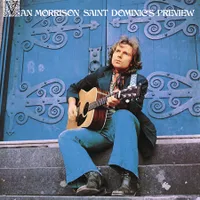
Saint Dominic’s Preview (Warner Bros, 1972)
Here Morrison opens the canvas wider. The centrepieces are the two epics: Listen To The Lion, one of his most extraordinary vocal performances, building from murmured meditation to a roaring, full-throated spiritual release, and the sweeping title track.
The album also contains one of his most joyous hits, Jackie Wilson Said (I’m In Heaven When You Smile), a blast of pure soul exuberance. Balancing mystical introspection with exuberant R&B, it captures Morrison at a moment of creative confidence, when he was stretching song forms and following his instincts wherever they led.
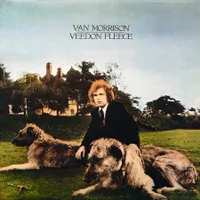
Veedon Fleece (Warner Bros, 1974)
Following his move to America and the commercial breakthrough of Moondance and Tupelo Honey, Morrison briefly returned to Ireland, and emerged with an album steeped in Celtic imagery and introspection. Recorded in spontaneous sessions, Veedon Fleece revives the loose, intuitive spirit of Astral Weeks, its soft arrangements coloured by flute and pastoral atmosphere.
Long regarded as a lost (or overlooked) masterpiece, it carries a powerful creative charge. Songs such as Fair Play and You Don’t Pull No Punches, But You Don’t Push The River drift more than they resolve, leaving a beautiful but elusive album.
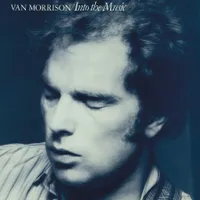
Into The Music (Mercury, 1979)
By the end of the 70s, Morrison sounded creatively reinvigorated. A new band featuring saxophonist Pee Wee Ellis gives Into The Music fresh rhythmic lift, while the songs reconnect with the spiritual intensity of his early classics. Bright Side Of The Road brings joyous immediacy, while And The Healing Has Begun and Full Force Gale reach for something more expansive and transcendent.
At its reflective centre, Morrison splices the old standard It’s All In The Game to his own You Know What They’re Writing About, turning a song remembered from his teenage pop years into something deeper. His most complete late-70s album.
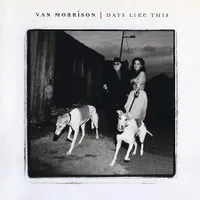
Days Like This (Polydor, 1995)
Days Like This is one of Morrison’s most relaxed and quietly confident albums, marking a midcareer recalibration that returned him to the pop mainstream without actively chasing it. The album reached No.5 in the UK and is the only Morrison release to be shortlisted for the Mercury Music Prize (so far).
The title track entered the culture almost immediately, its plainspoken optimism carrying far beyond the faithful, while songs including Perfect Fit and No Religion show a master songwriter paring back excess and trusting feel over flourish. Warm, unforced and deeply connective, this is Morrison at his most accessible and enduring.
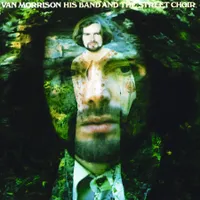
His Band And The Street Choir (Warner Bros, 1970)
Issued the same year as Moondance, Morrison’s fourth album is a looser, more exuberant record steeped in R&B and gospel. It sounds almost improvised at times, the musicians pushing the songs forward with infectious energy.
At its heart sits Domino, one of Morrison’s most joyful singles, alongside spirited performances such as Blue Money and Call Me Up In Dreamland. The album captures Morrison revelling in the sounds that first inspired him. The material is uneven and the performances occasionally ramshackle, but it’s an irresistible slice of Morrison’s R&B soul.
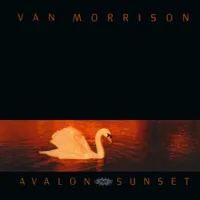
Avalon Sunset marked a return to broader accessibility after a run of austere, spiritually searching albums in the 80s. Morrison wraps familiar themes of memory, faith and longing in rich melodic arrangements that sometimes drift toward easy listening but remain deeply felt nonetheless.
The album produced one of his signature songs, Have I Told You Lately, alongside an uplifting duet with Cliff Richard on Whenever God Shines His Light, and the evocative Coney Island, a nostalgic meditation on his Belfast youth. The album’s melodic, mainstream warmth and generosity of spirit reveal another appealing side of Morrison’s art.
...and one to avoid
You can trust Louder
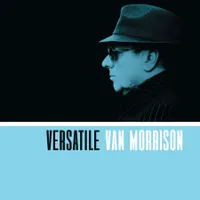
Versatile finds Morrison indulging his affection for American standards and jazz-era classics. Opener Broken Record – an original composition – is a witty but essentially throwaway idea – and the performances are perfectly enjoyable. But the album’s predominantly old-school, supper-club repertoire, including A Foggy Day and I Get A Kick Out Of You, sits outside Morrison’s natural territory.
He is a unique stylist, not an interpreter of standards, and unfavourable comparisons with the great singers who first defined these songs are unavoidable. An amiable diversion, perhaps, but not the place to look for the heart of the Morrison catalogue.
Sign up below to get the latest from Classic Rock, plus exclusive special offers, direct to your inbox!

Online Editor at Louder/Classic Rock magazine since 2014. 40 years in music industry, online for 27. Also bylines for: Metal Hammer, Prog Magazine, The Word Magazine, The Guardian, The New Statesman, Saga, Music365. Former Head of Music at Xfm Radio, A&R at Fiction Records, early blogger, ex-roadie, published author. He once appeared in a Cure video dressed as a cowboy, has flown on the Goodyear Blimp, and thinks any situation can be improved by the introduction of cats. Favourite Serbian trumpeter: Dejan Petrović.