


Following on from Leprous’ acclamed 2021’s album Aphelion, vocalist Einar Solberg dipped a toe into solo waters on his 2023 debut, 16. The accidental concept work found him flexing his collaborative muscles with some familiar names as he revisited the life-changing events that led to him becoming a musician. That year he shared some of the intimate details with Prog.
After 22 years as frontman with Leprous, Einar Solberg is embarking on a solo career. Entitled 16 and focused on events in his life between the ages of 16 and 19, his debut album comprises songs co-written with an array of musicians and composers, with a few self-penned pieces thrown in for good measure.
It’s a spectacular beginning to his solo endeavours – but one that grew from a simple urge to find something to do. “When I got home from a tour in 2018, and it had been a year with very extensive touring, I looked at my schedule and thought, ‘There’s absolutely nothing there!’” Solberg recalls.
“I got a bit depressed about it! It keeps on happening here and there. Leprous are a very active band, but suddenly you get into periods when there’s nothing – what could I fill those with?”
Solo careers are far from an unusual phenomenon in the world of progressive music, so he could easily have churned out a few tunes and left it at that. But he didn’t want to do anything that sounded close to Leprous. Instead, he joined forces with other songwriters and composers, exchanging ideas and striving to create something unique.
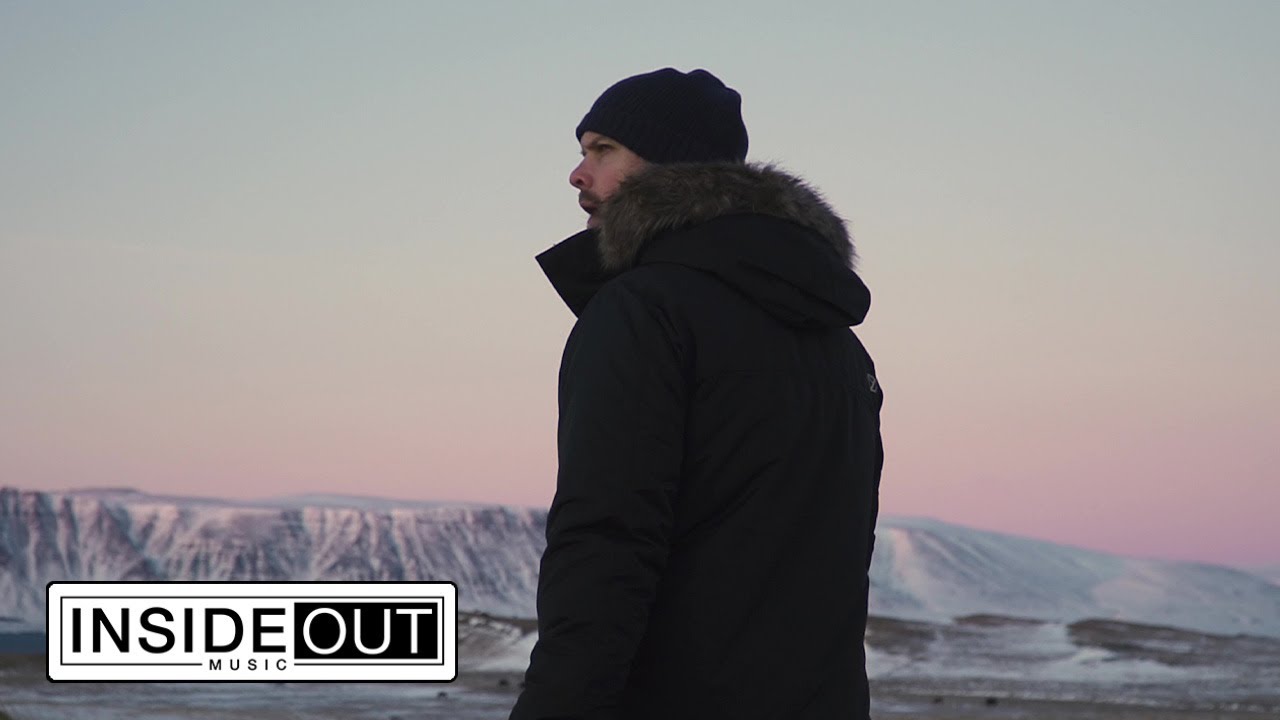
“I came to the conclusion that I wanted to do a solo project, but for the first album I wanted to try to work with other people, to get to know other people, and learn a bit about how other people work. So I’ll make a sketch, send it to someone, then they can do whatever they want with it and send it back to me. We just repeat that process until we’re happy.”
Rather than only hooking up with big names from the prog metal world, Solberg chose his collaborators for their eccentricities. Not surprisingly, brother-in-law Ihsahn and sister Heidi (a.k.a. Starofash) were both involved, co-penning the eerie and mellifluous Where All The Twigs Broke and the vexed electronica of Splitting The Soul respectively.
Elsewhere, experimental cellist Raphael Weinroth-Browne, Vola frontman Asger Mygind and Norwegian post-everything polymath Magnus Børmark (from the bands Gåte and 22) all cross the compositional streams with our hero. TV soundtrack maestro Tóti Guðnason and actor-composer Ben Levin complete the set.
“I couldn’t care less about how famous the person was,” Solberg explains. “That wasn’t interesting to me. What I cared about was that they had a strong musical identity and were unafraid in their approach to writing music. Of course I needed some sort of connection, so I could get in touch. I’m not very good at that sort of networking.”
So he doesn’t slide into people’s DMs very often? “I’m really very bad at that! If I fear someone will say no, I don’t ask. But most of all I wanted people who had a different approach, who could tone down my drama a little bit!”
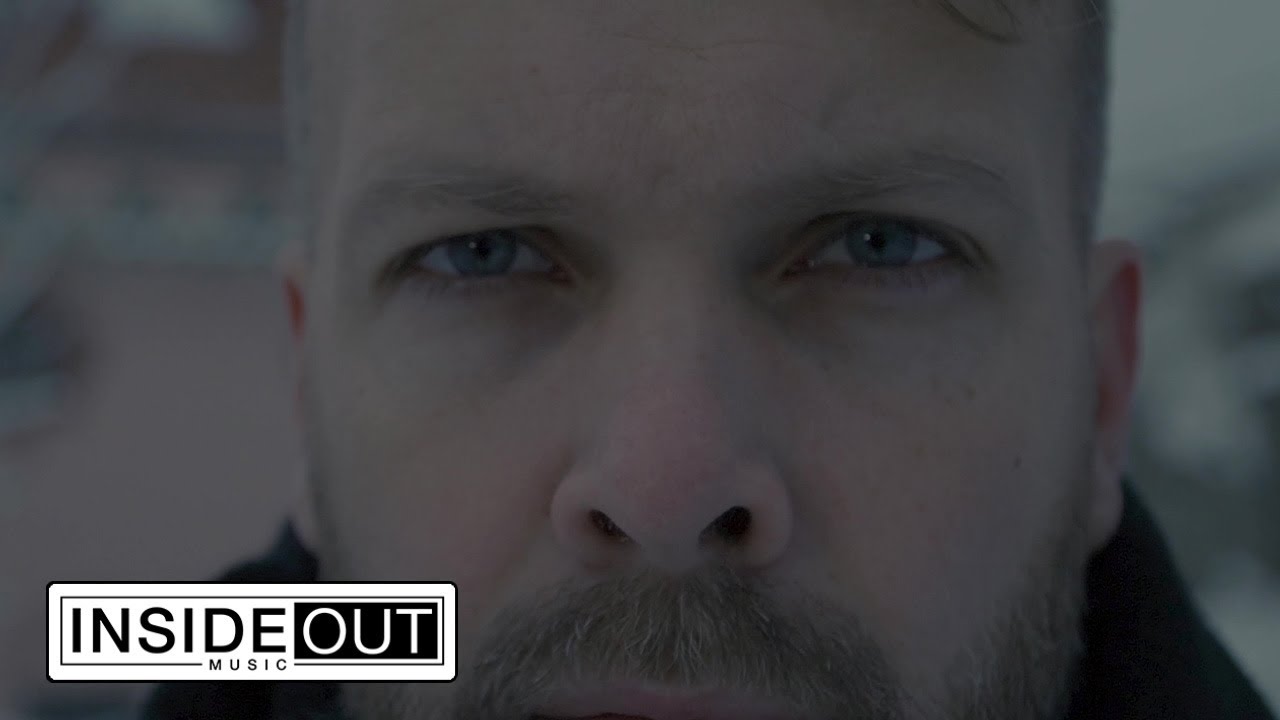
He allows himself an ironic chuckle. The majority of 16 exists in a very different musical world from Leprous – but ditching the drama was never really an option. In particular, closing track The Glass Is Empty may well be the most emotionally supercharged thing the Norwegian has ever put his name to. Co-written with Guðnason, it ends the record with layer upon layer of cinematic bombast.
“The funny thing about mine and Tóti’s collaboration is that we’ve both ended up in the prog scene, but neither of us really appreciate prog so much any more,” Solberg says. “We went into this thinking that we were on the same page, and that we’d make something that had nothing to do with prog. Then we ended up writing the longest, most prog song on the album! That’s the beautiful thing about creativity: you never know where it’s going to go.”
I’ve written about my mental health before; the difference with this album is that it’s about more specific events
Despite the scattershot nature of its composition, 16 is an undeniably cohesive and focused piece of work. It’s also guaranteed to put us all through the emotional wringer. Based on a series of events that took place in his late teenage years, the lyrics offer poetic insight into a tumultuous time.
“I’ve written about my mental health before; the difference with this album is that it’s about more specific events,” he explains. “I guess it’s the explanation of my mental health problems. There were a lot of life-defining things that were happening when I was 16.”
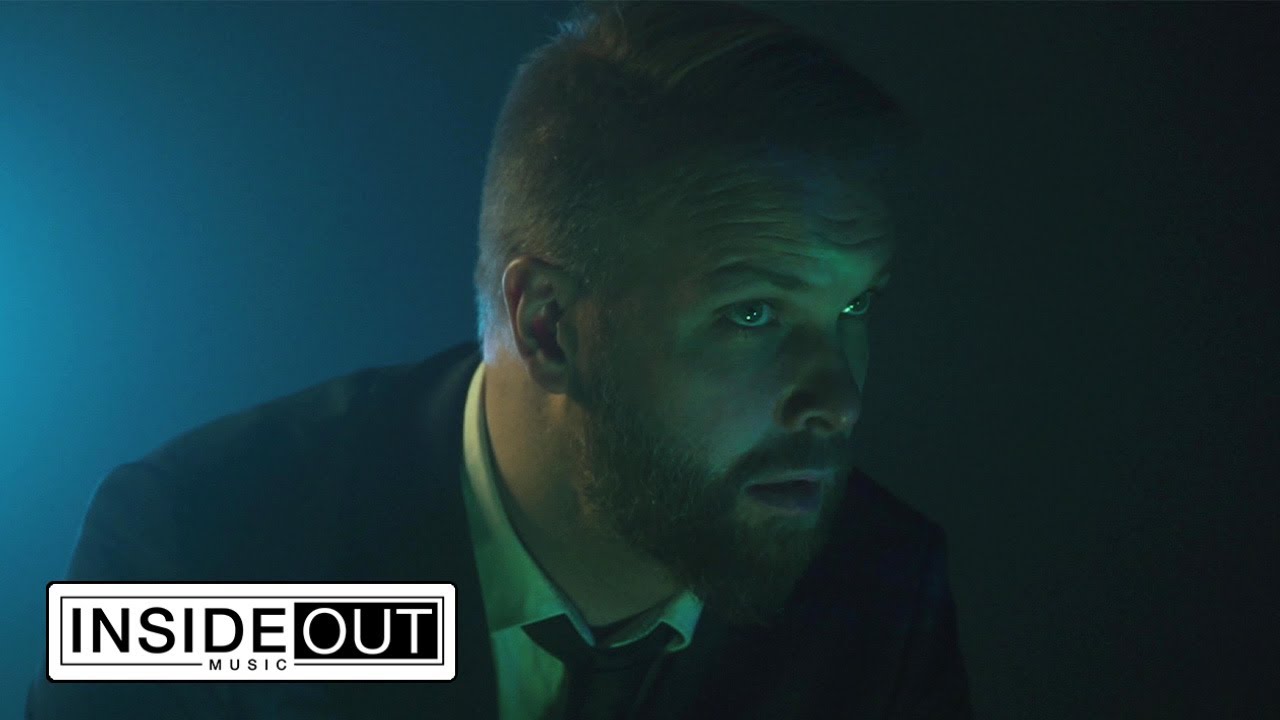
After admitting he won’t be talking about this stuff in any other interviews, he forges ahead. “I didn’t grow up in the easiest home to begin with. My father had a lot of on-and-off problems with bad mental health. Then when I was 16 I was assaulted by a gang of people in my hometown. I was 100 per cent sure I was going to die. I was beaten up very, very heavily, to the point where they were slamming my head against a railway track.
We started hanging out and rehearsing… and my life as a musician has grown from that moment. The worst and best things in my life happened in that same three years
“Where I grew up it’s a small, redneck place. They were drunk and attacked me just for looking different. They ended up going to prison, which is quite unusual in cases like that. So that was the first major bad thing that happened. The second was when I was 19, and our father died by suicide.”
So is this an album about losing one’s innocence and realising that the world can be a very shitty place? “Yeah – exactly that. But it’s not only about that. It’s important to say that the album is also about a lot of the great things that happened during that time too.”
A beautiful, meandering splurge of emotion, 16 does have its more upbeat moments: most notably, the collaboration with countryman Magnus Børmark on Grotto. The album’s most succinct track, it hazily recalls the feelings of safety, belonging and creative freedom that he first experienced at his local youth club.
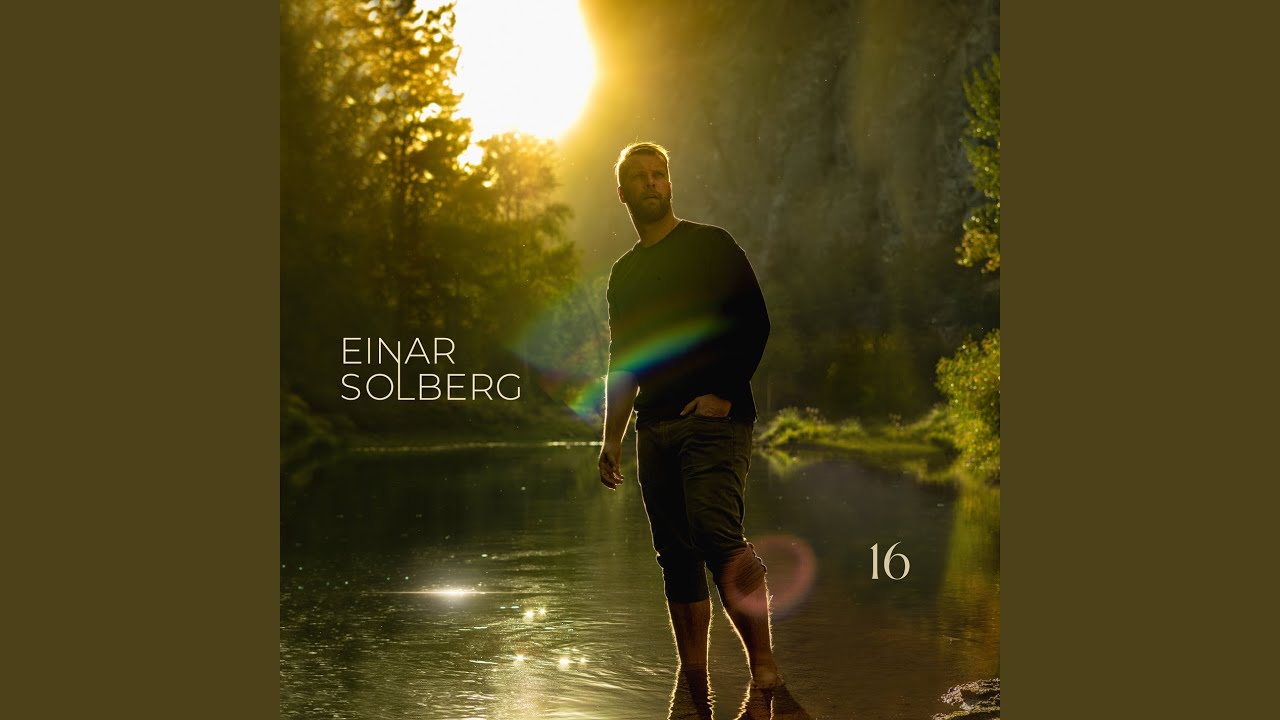
“When we were kids we’d go to this place; it was a cave, like a bomb shelter. That’s where we all started hanging out and rehearsing, starting bands and all of that. It was life-changing, and my life as a musician has grown from that moment. So the worst and best things in my life happened in that same three years.”
Decades later, Solberg is in a good place. Having enjoyed the process of filling his time, there will be more solo records in future. Although we may have to be patient. “I’m very active with Leprous, and that takes up a lot of time. I’m honestly very scared to do touring on my own, with no one to lean on if nobody buys tickets!”
He’s being ridiculously modest, of course. With a moving and multifaceted record under his belt, he can rest assured that Leprous fans – and fans of progressive and adventurous music in general – will follow his solo career with similar levels of tear-stained enthusiasm.
“There was a moment when I felt like everyone else in the band had something else going on, but I had nothing,” he says. “Now I have this and I’m very proud of it. I’m just following my intuition where it leads.”

