


Happy The Man’s career might have gone differently if their first two albums, released in 1977 and 1978, had been mixed to their satisfaction. After 50 years of frustration, a friend made an offer that gave them hope. Now the mainly-instrumental American prog band – who nearly became Peter Gabriel’s backing musicians – can finally listen back with pride.
Happy The Man’s first two albums have been intermittently available since they were originally released. But whether it was vinyl or CD, 1977’s Happy The Man and 1978’s Crafty Hands always fell considerably short of the band’s expectations, and a hasty remastering job in 2012 failed to redress the sonic balance.
But that changed after co-founder Stanley Whitaker was accosted by a friend, Paul Batista, at an acoustic solo gig, and presented with an unmissable opportunity to win back the rights to both records.
“He casually asked me, ‘By the way, Stanley, who owns the rights to your music?’” he recalls. “I was like, ‘Well, we should, but it’s Sony.’ And he said, ‘How about I buy the rights for you guys?’
“It came to fruition, thanks to Rick Kennell negotiating stuff back and forth with Sony. Paul got the rights back for us. What a godsend – it’s the first time ever, in our whole lives, that we actually own our music!”
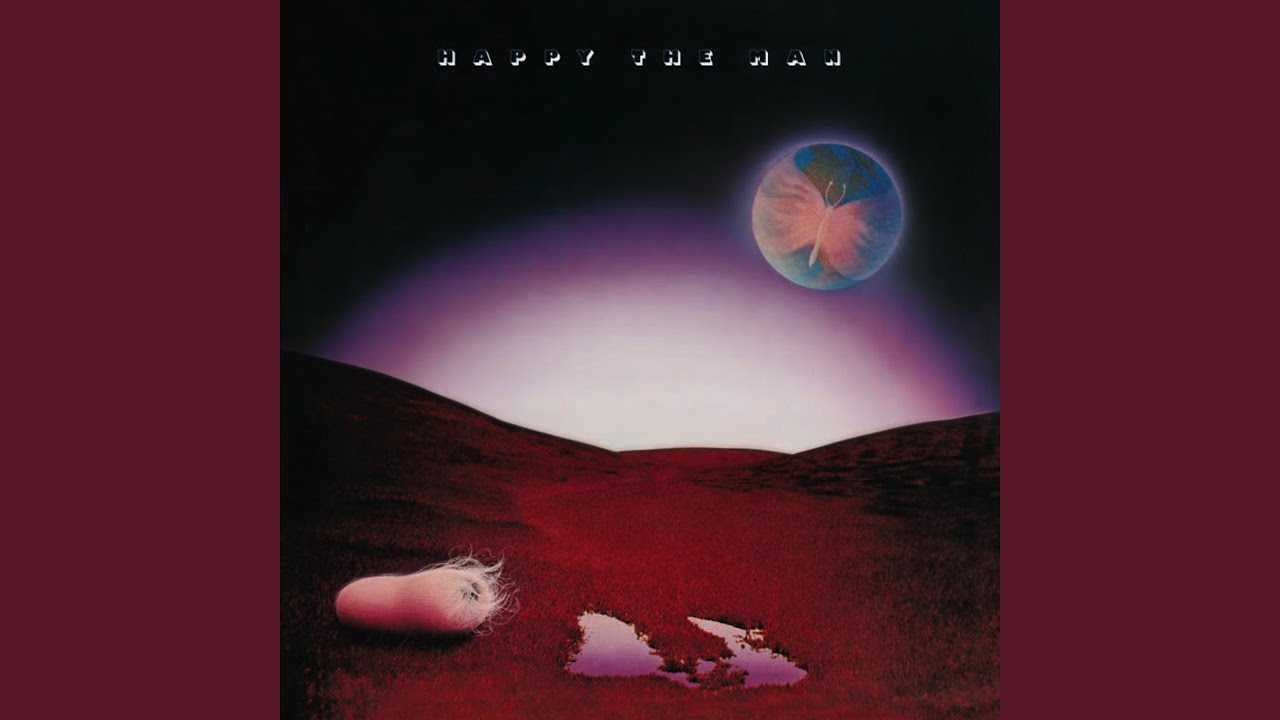
The records were produced by the legendary Ken Scott, one of The Beatles’ engineers and the man behind records by David Bowie, Supertramp, Kansas and many others. Scott was the first person that the band contacted about remastering the original tapes. Scott recommended Ray Staff, whose glittering credits include Led Zeppelin, Black Sabbath and, more recently, Muse.
“Ken and Ray had worked together on so many things over the years, but Ray was on the verge of retiring when Covid hit,” says Kennell. “But because money was slim for him for a while, he kept working, thank God! I sent him a long-winded email with a wish list.”
It’s only now that fans are truly able to understand what the band have been complaining about for all these years. The newly remastered versions of Happy The Man and Crafty Hands are a triumph, such that no one is likely to bother with their former incarnations again.
For Whitaker and Kennell, the new versions represent the end of a 50-year wait to correct the errors of the past. “We were so disappointed when the albums came out,” Whitaker recalls. “It was like, ‘What the hell happened to what we were listening to in the studio?’
“They took all the low end off, they compressed the hell out of it and you couldn’t hear the kick drums. It’s been incredible for us old guys just to hear it the way it was meant to be heard.”
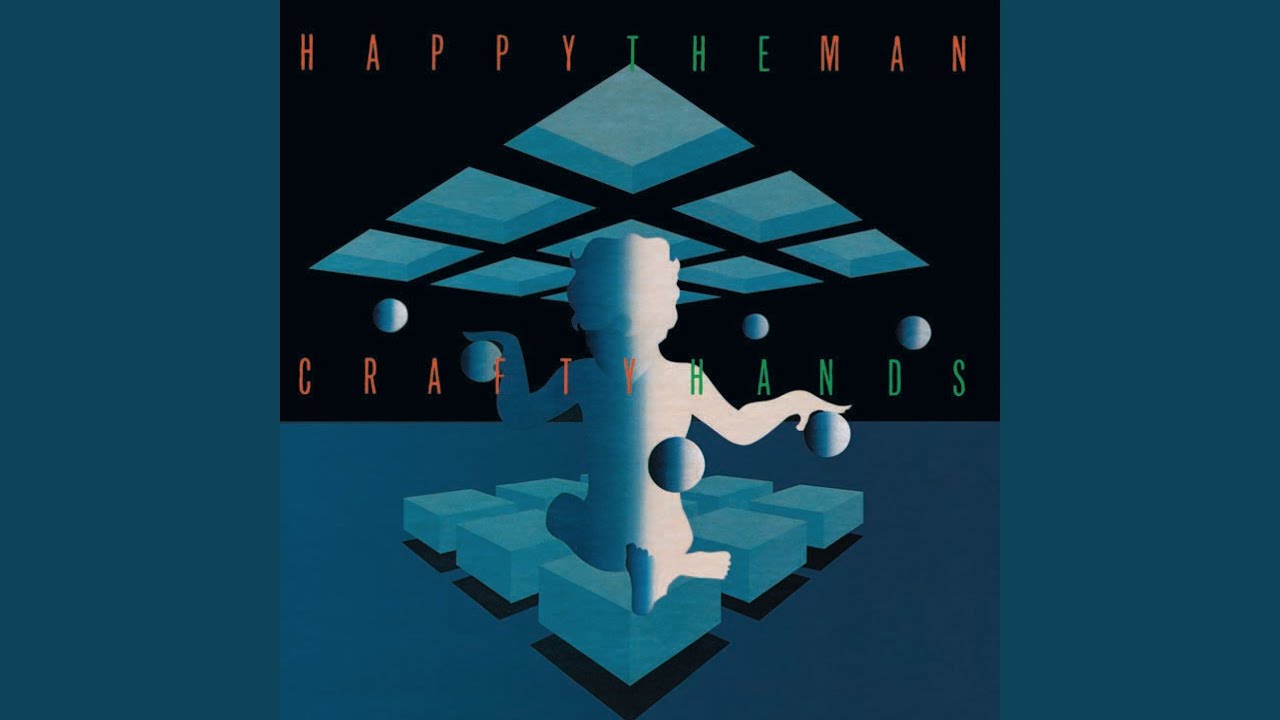
“People don’t understand that we were just novices in the studio,” says Kennell. “We’d been into one four-track studio in our lives. We were babes in the woods. After recording was done, I was told, ‘I hope you enjoyed hearing your bass at A&M, because you’re never going to hear it that way again.’ It was depressing. But you get over it, you start listening to it, you get used to it – and you forget how it wasn’t really what you were expecting.”
Now that the albums have been rescued from decades of poor sound, the fact that Happy The Man were momentarily in a class of their own has become even more obvious. At a time when progressive rock was commercially potent in the UK and Europe, Whitaker, Kennell and their comrades were making music that had little precedent across the Atlantic.
“Man, you can hear everything now!” states a visibly thrilled Whitaker. “You hear all the little percussion things. There’s low end on there. The bass always was so compressed that you had to really pay attention to try to figure out what Rick was playing. Now it’s right out there – it’s like, ‘Shit, Rick, that was some cool bass stuff you were doing!’”

