


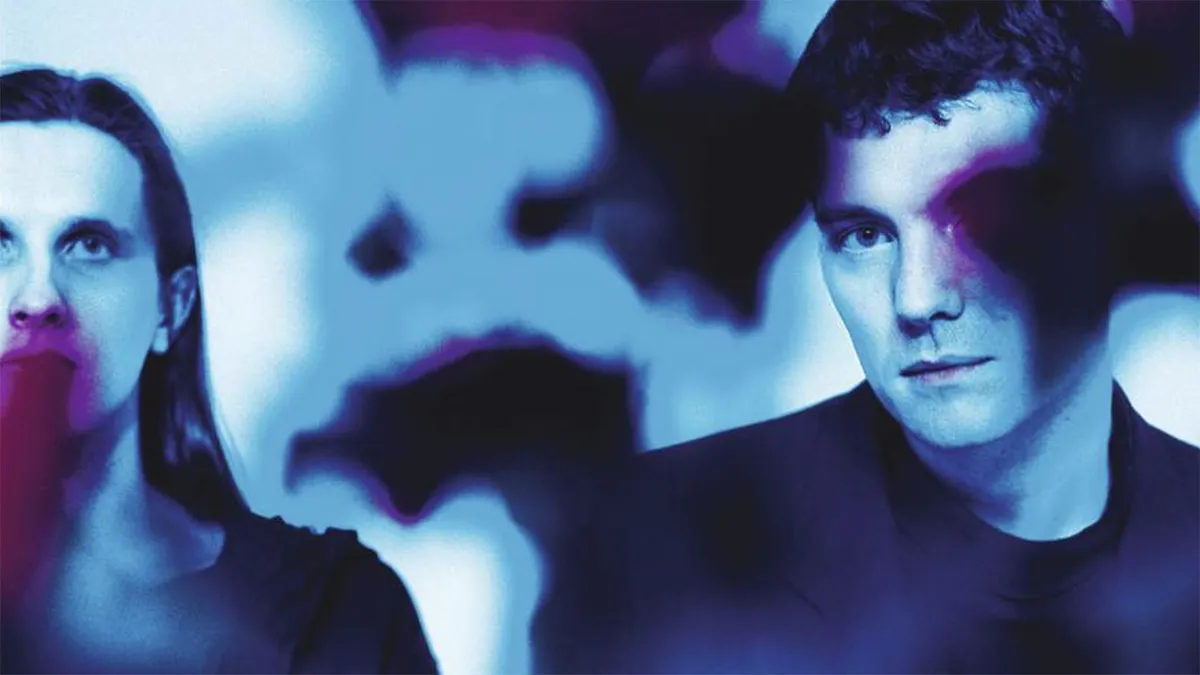
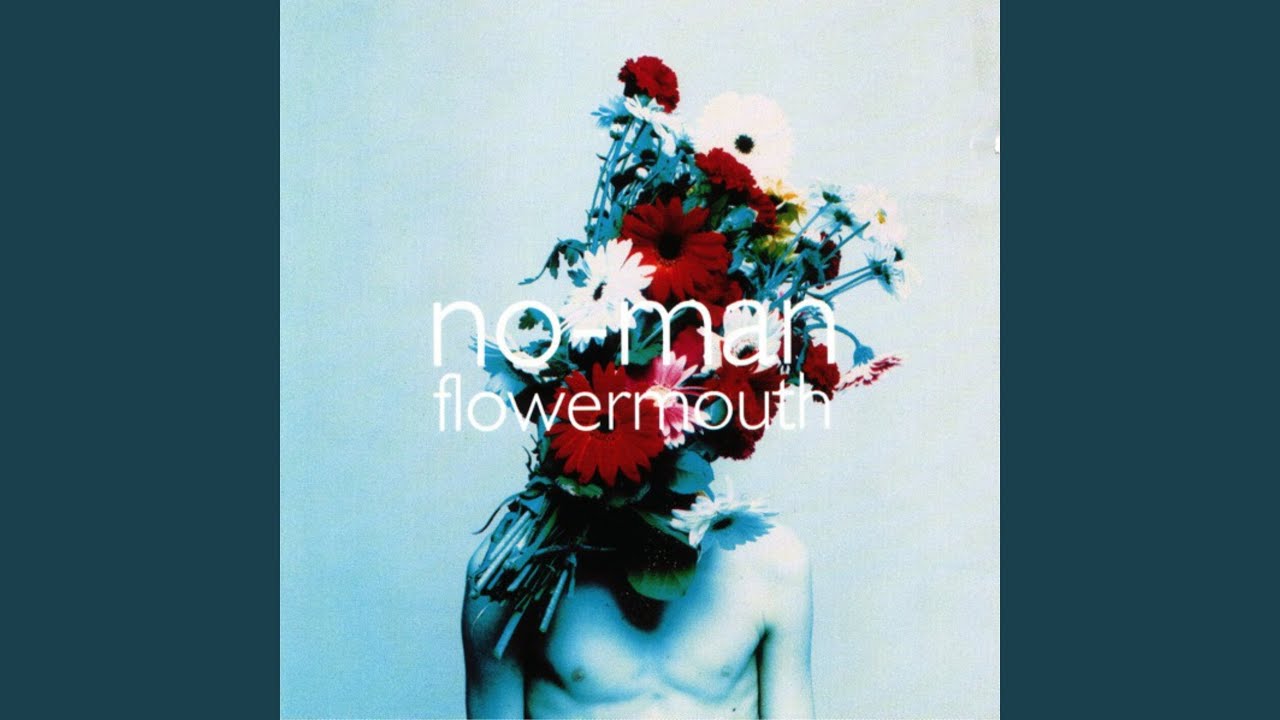
In 1994 No-Man, the collaboration between Steven Wilson and Tim Bowness, released their album Flowermouth, featuring a range of guest artists including Robert Fripp. While it was a musical triumph, the duo’s refusal to co-operate with industry expectations made it a difficult record to sell. In 2024, marking the release of an early-era box set, Wilson and Bowness looked back three decades, including a reappraisal of their Flowermouth experience.
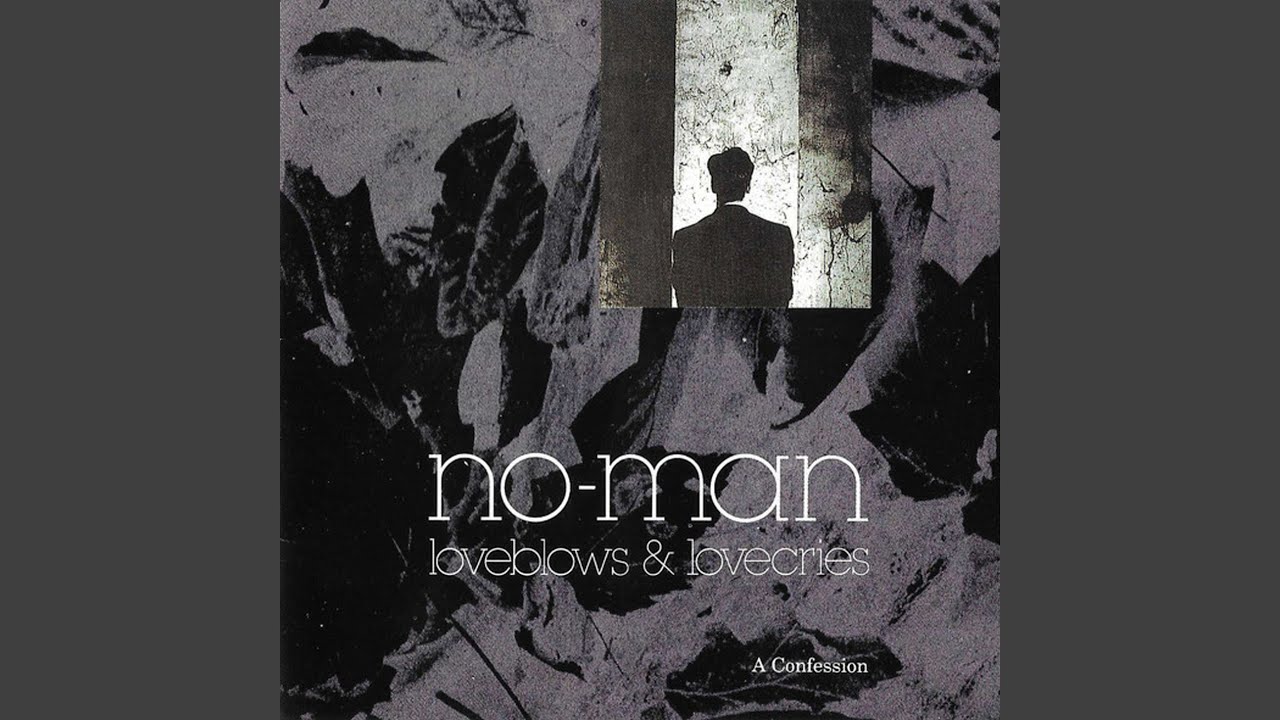
Marketing No-Man was a complex matter, as the OLI label discovered when they’d released the Loveblows & Lovecries album in 1993. “Steven and I never wanted to compromise, which made for some crazy conversations with the label,” Bowness recalls.
“We had a meeting about the video for Only Baby, and somebody tried to convince me that green was the colour of pop. They tried to make us wear green costumes in the video. So Steven and I turned up at the shoot wearing all black, with our manager and the record company arguing in the background.”
Despite its merit – and positive reviews – Loveblows didn’t sell, and OLI slashed the budget for 1994’s Flowermouth. Wilson and Bowness used the money to build their own recording facility in Wilson’s parents’ house, in his old room.
No longer having to watch the clock, and now down to a core duo, they strove to make exactly the kind of album they wanted. The pointer seemed to be the previous record’s ambitious mini-epic Painting Paradise.
“It’s easy to hear that we liked progressive rock,” says Wilson. “That’s one of the things that separated us out from that era. We liked a lot of other stuff too, but we loved that kind of conceptual scale. And we loved being pretentious, in the best possible sense of the word.
“We loved tracks that would take you on a journey over 10 minutes. Painting Paradise is essentially a piece of dance pop, but it’s got the hallmark of conceptual progressive rock music, which we’d grown up listening to.”
Flowermouth magnified No-Man’s prog credentials. Former Japan drummer Steve Jansen and keyboard player Richard Barbieri (the latter having since joined Porcupine Tree) returned for cameos, while fresh blood included King Crimson royalty Robert Fripp and Mel Collins. The newcomers stamp their presence on the heroic opening track, Angel Gets Caught In The Beauty Trap. Fripp, in particular, was a revelation.
“Musically it was fantastic,” Bowness remembers. “But it was also a very funny session, because I’d written these ‘Obvious Strategies’ that I’d given him for each of the tracks, sort of inverting the Oblique Strategies from Eno.
“We’d go: ‘Before you listen to it, we want a bit of this...’ and we’d have a photograph of Robert from 1973. Then I might say, ‘We also wouldn’t mind a bit of this...’ and it could be anything from Ken Dodd to Rick Wakeman with a cape. It was very instinctive; Robert was spewing this music out effortlessly.
“On one track he said, ‘This is Fripp of the future; you’re using Fripp of the past.’ He played the solo and we didn’t like it. He said, ‘You’re wrong.’ Steven said, ‘This is how wrong we are,’ and deleted it – jokingly – in front of him. It was a comic moment; there was no bad feeling.
“A decade later, Robert was supporting Porcupine Tree. Steven told me that the first thing he said was, ‘Ten years ago, I gave you the opportunity to use Fripp of the future and you used Fripp of the past. You were wrong then and you’re wrong now!’ I loved that he’d remembered that.”
Alas, No-Man appeared hopelessly at odds with the times. Flowermouth sold better than its predecessors, but not enough to kickstart their commercial fortunes. Creatively they were unwilling to compromise their vision. The album’s rich intricacies and lush detail proved difficult to translate in the small venues they were used to, the result being that they simply stopped playing live.
“It was actually that same bloody-mindedness again,” Bowness reasons. “It was like, ‘We’re not going to play until we can find the right venue to justify this music, with the right musicians.’ It took 15 years to finally play that kind of venue we wanted. Also, at that time Steven was doing a lot of gigs with Porcupine Tree, who were building up a large audience.”
The upshot was that No-Man and OLI parted ways. The band would go on to enjoy several new chapters, while Wilson and Bowness simultaneously carved out successful careers in their own right.
Wilson admits he couldn’t listen back to the early No-Man stuff for a good 20 years – “I just couldn’t get past the very gauche, naïve production and all of that” – but now believes he and Bowness had something unique. “There was something innovative and ahead of the curve in what we were doing, mixing dance beats with a very ambitious production and songwriting sensibility,” he says.
“Whatever was happening at that time – grunge, Britpop – we never fitted in. But of course, as time goes on, that becomes a strength rather than a weakness. It’s what gives your music longevity. I’m really very proud of it now.”

