

What a song means to you, and what it means to the person next to you, can often be completely different. Sometimes even the creator of said song won’t have a clear idea of exactly who or what they’re writing about. For decades, it's been assumed that one of the biggest ever songs by one of the biggest ever rock bands was written in tribute to the passing of a music legend, but the truth might be far simpler. When Foo Fighters created My Hero, it wasn’t for celebrities, or presidential candidates, but for normal, ordinary people. And it became an iconic song in their back catalogue.
Dave Grohl had managed to pick himself up from the wreckage left by Kurt Cobain’s death and Nirvana’s abrupt end to create an album that people had truly loved, all by himself. Certified Platinum in both the UK and the US, the self-titled debut Foo Fighters album was a surprise smash hit in 1995, leading Grohl to turn his little basement recording project into a full band.
Suddenly, when it came to making a follow up, there were expectations on himl to make something special. Bassist Nate Mendel hinted at the fact that Grohl was still in the process of finding his feet, having transitioned from Nirvana's drum stool to be the focal point of the Foos, when he admitted to Billboard that “Dave definitely has his hands full being the frontman.”.
As the Foos entered the studio with producer Gil Norton in late 1996 to begin work on their first collaborative work as a full band, Grohl was keenly aware that he needed to create something with more substance, particularly lyrically, than he had shown on the rough and ready debut.
“It was nonsense,” he told Spin magazine in 1997 of the album's lyrics. “It was for fear of writing something that might reveal too much or reveal anything at all.”
Grohl released a change in approach was needed to take Foo Fighters forward, and one of the songs on which he truly began to open up was My Hero. One of the first new tracks he'd demoed alone in his home studio in July 1995, only a month after the release of Foo Fighters, it pointed at a whole new lane for the band: bolder, bigger, sleeker, more obviously emotionally charged and with a chorus that could dwarf a skyscraper. It was a hit in waiting.
Mendel recalls hearing the demo in the 2011 documentary Foo Fighters: Back and Forth, admitting it both floored him and reassured him that the band had a big future ahead of them as “the song was so great.”
When the Foos' second album The Colour and the Shape was released on May 20 1997 to rave reviews and commercial success, fans and press alike quickly picked up on My Hero as an album highlight. It was also posited as a song that saw the band's frontman show a more personal side. In an interview with Alternative Press, Grohl admitted the speculation was fair.
“This album was really a challenge,” he said. “I knew a year ago there were two ways of going about it; I could wear my heart on my sleeve and sing songs that mean something to me, be more direct and invite less speculation, or I could do the same thing as the last record and deny everything all over again. I didn't feel I could do that. The songs have a lot to do with the last year of my life."
That in turn led people to believe that My Hero was written in tribute to Kurt Cobain. At the time, Grohl did little to quash the idea that he was the “hero” mentioned in the title, without ever categorically confirming it.
“Always. A lot. Daily. In dreams,” Grohl answered Spin when asked how often he thought about Kurt. “It’s hard not to think about something that everyone wants to talk about all the time.”
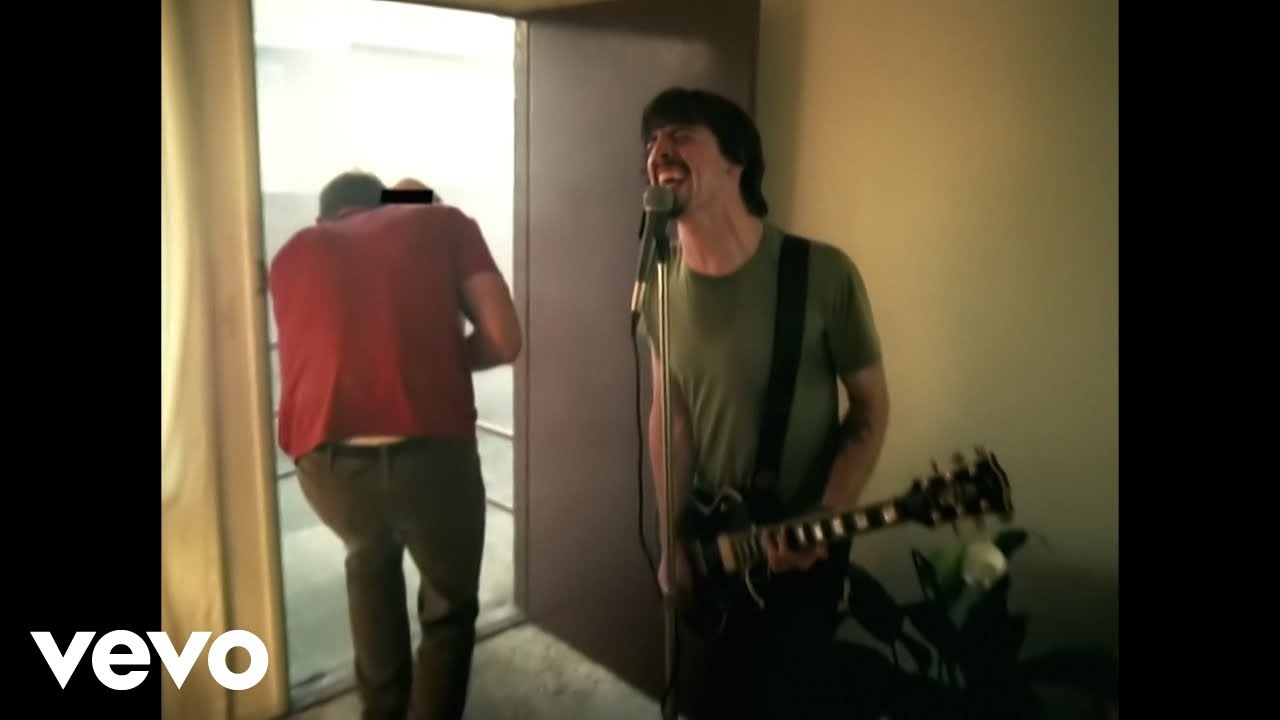
After The Colour and the Shape’s first two singles, Monkey Wrench and Everlong, were chart successes, My Hero was the obvious choice for the third release. It dropped on January 19 1998 and, thanks to the brilliance of the song itself and its now iconic video, a clever one-shot showing a man saving a woman and her dog from a burning building, it sold over 600,000 copies in the UK alone.
In the years that have followed, My Hero has become a staple of every Foos show, but the ambiguity of the lyrics followed the song around.
Grohl was more specific in 1999 when he told Howard Stern that the song “was more about heroes that are ordinary,” after Stern asked if it was “loosely based on Kurt Cobain”. It’s also been claimed that it was about Grohl’s former bandmates in his first band, US hardcore legends Scream.
The debate of the song's meaning cropped us again in 2008, when Republican Presidential candidate John McCain used the song at rallies, leading to the band releasing a statement expressing dismay that the song was used in such a manner.
“My Hero was written as a celebration of the common man and his extraordinary potential. To have it appropriated without our knowledge and used in a manner that perverts the original sentiment of the lyric just tarnishes the song,” the band said.
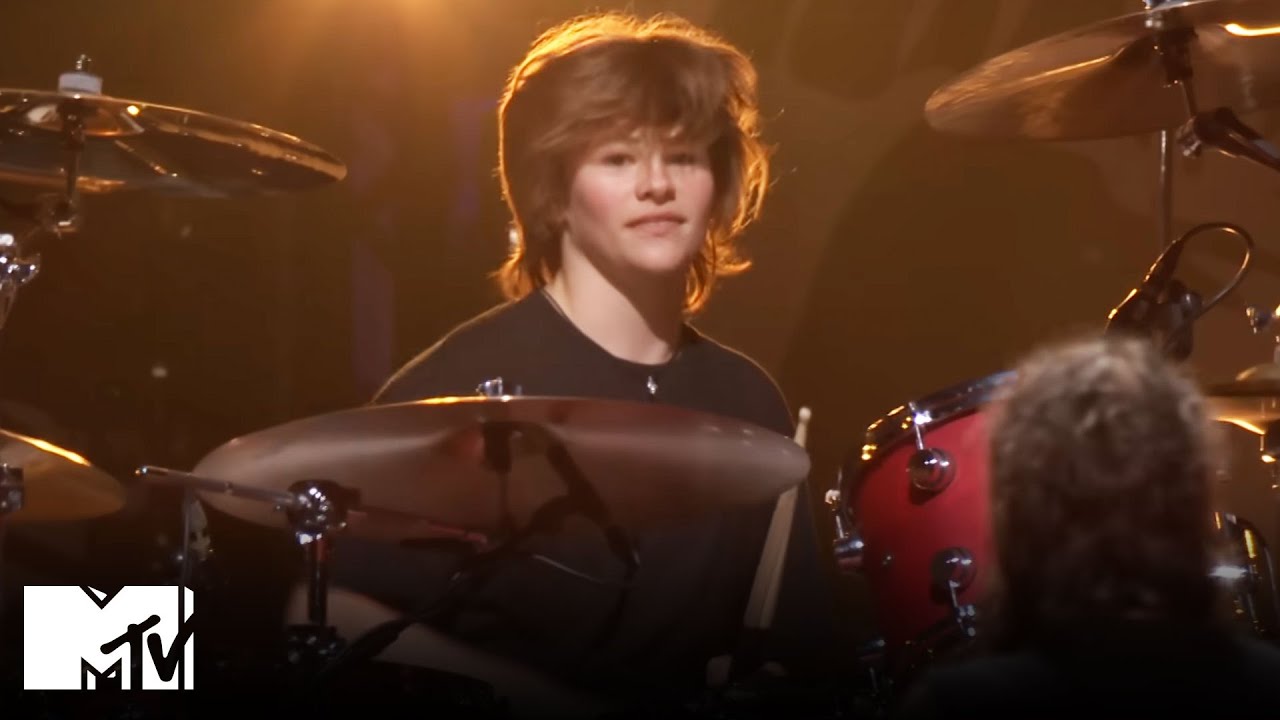
Perhaps the most compelling argument that the song is, quite simply, about whoever you want it to be, was when it was performed at the Taylor Hawkins tribute concert at Wembley Stadium in 2022.
“He’s a member of our family and he needs to be here tonight with all of us,” Grohl said, introducing Taylor's 16-year-old son Shane Hawkins onstage. Shane took his father's drum stool and smashed through a beautifully poignant performance of the song with the rest of the Foos.
It gave the song yet another new meaning and, whichever Hawkins you were aiming it at in that particular moment, a new focus for the lyrics. Nearly three decades later, My Hero remains triumphant, iconic and magnificent. Watch it as it goes.