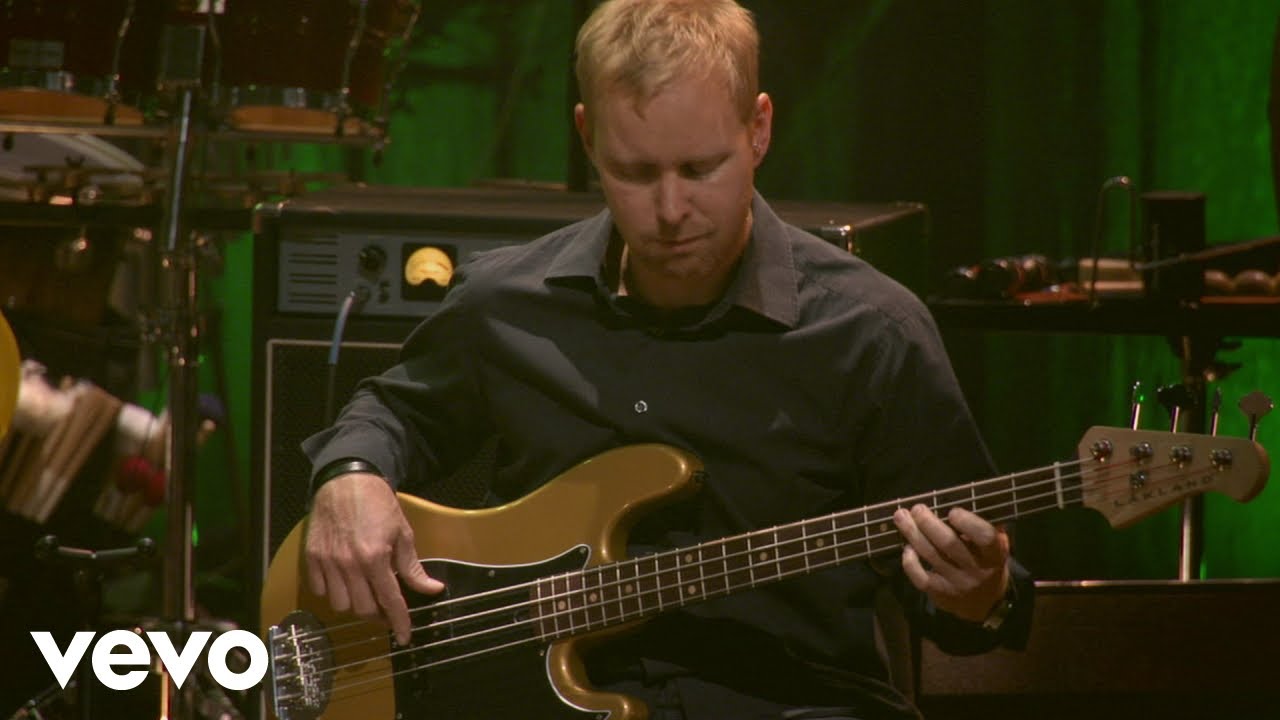


Nirvana and Foo Fighters are two of the biggest rock bands in history, both with a catalogue of songs as hit-packed and iconic as they come. But amongst all of their massive successes, there is only one song that has been released under the name of both bands.
It was the sole Nirvana song not to feature Kurt Cobain and is credited with giving Dave Grohl the confidence to form Foo Fighters. Despite its importance, most people don’t even know about it. It’s about time someone gave Marigold its flowers.
The song had begun life as Color Picture of a Marigold, and was part of Grohl’s solo album Pocketwatch, released under the pseudonym Late!, which was recorded on an 8-Track machine between 1990 and 1991 and was given an extremely limited, cassette-only release in 1992 by tiny indie label Simple Machines.
Written while on tour with Nirvana, supposedly inspired by one of Grohl’s childhood babysitters, the song was a slow, melodic, near-whispered pop rock lullaby with a gorgeously swooning chorus. A far cry from the powerful, overdriven, noise rock that his day job were about to release with third album In Utero in 1993.
Pocketwatch was something of an unheard rarity, so when Nirvana were in the studio recording In Utero, Grohl decided to have another crack at recording the song. Once again, he took lead vocals and played both guitar and drums, but this time Nirvana bassist Krist Novoselic and session cellist Kera Schaley were both roped in to perform on the track. Cobain, interestingly, was somewhat conspicuous by his absence.
“That was recorded during the sessions,” confirmed In Utero produced Steve Albini in an interview with YouTuber Daniel S in 2019, adding: “although Dave Grohl did that as a kind of side hustle.”
The reason Grohl was so cloak and dagger with Marigold was due to an inferiority complex, born from sharing a band with a writer as prolific as Cobain.
“Our songwriter was pretty kickass,” he said in an interview with Lars Ulrich on the Apple Music show It’s Electric. “And what’s the last thing that a drummer says before getting kicked out of the band? ‘Hey guys, I have a song that I think we should play!'”

Grohl’s sheepishness towards his own songwriting prowess existed despite Cobain being incredibly supportive of him during Nirvana’s rise. When Grohl was in the process of writing the song Alone + Easy Target, which would see the light of day on the first Foo Fighters album, Cobain was delighted to have found someone he believed could take the pressure off of him.
"I'd told him I was recording and he said, 'Oh, I wanna hear it, bring it by,” Grohl recalled to Mojo in 2009. “He was sitting in the bathtub with a walkman on, listening to the song, and when the tape ended, he took the headphones off and kissed me and said, 'Oh, finally, now I don't have to be the only songwriter in the band!' I said, 'No, no, no, I think we're doing just fine with your songs.'"
It took Albini pushing for Marigold to be included on In Utero for Grohl to really begin to believe he could write songs for Nirvana. Although he admitted he was both “terrified” and “incredibly flattered” at the suggestion, the Foos man later claimed he was glad that the song didn’t make the album, as the finished article “retained Kurt’s artistic vision.”
Instead, the song finally saw the light of day as the B-side to In Utero’s first single, Heart-Shaped Box, released on August 30 1993. And for a long time, there it sat, Nirvana’s only song not fronted by Kurt Cobain: a curio, a rarity, a deep cut for the most committed fans only.
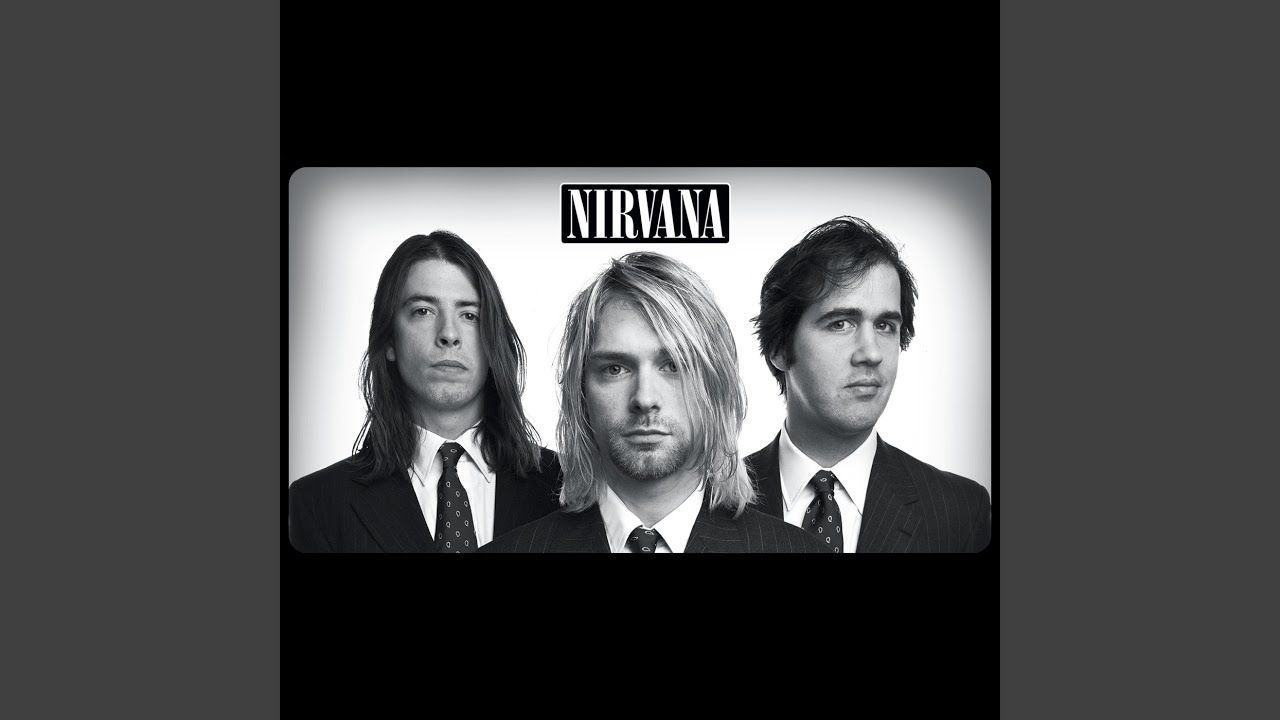
It wasn’t until a few years later that the true legacy of Marigold would begin to come to light. On April 8, 1994, Cobain tragically took his own life, inevitably bringing about the end of Nirvana in the process. Grohl regrouped and, in October of that year, decided to take the other songs that he had been working on and record them alone at Robert Lang Studios in Washington.
That recording would eventually become the debut Foo Fighters album. But before its release, Grohl would form a live band to take his new project out on tour. Curious Nirvana fans flocked to the shows despite not having heard any of Grohl’s material at that point...with the exception of one song, of course.
“There was a song called Marigold by Nirvana,” said the only other man to have been a member of both Nirvana and Foo Fighters, guitarist Pat Smear, in the 2011 Foos documentary Back and Forth. “It was the only song that people knew to shout out, so you would just hear 'Marigold!’. And we never played it. How weird that must have been for Dave.”

Luckily for Grohl, the audience clamour for Marigold would prove to be short-lived. When Foo Fighters was released on June 26, 1995, it was a smash hit and came packed with an arsenal of massive songs.
Foo Fighters themselves went from strength to strength, becoming one of the biggest rock bands in the world over the next decade and, even though its importance to Grohl’s confidence cannot be denied, his delicate Nirvana B-side was seemingly forgotten once again.
That was until 2006, when during their acoustic tour, which was captured as the live album Skin and Bones recorded over three nights at the Pantanges Theater in Los Angeles in August of that year, Foo Fighters dropped Marigold into their set.
According to Setlist.fm, the Foos have played it 124 times in total, including during both nights of their now iconic shows at London’s Wembley Stadium, with Grohl introducing it with a simple, “This is an old song”. Seeing it played in its full glory, by an entire band, in front of 80,000 adoring fans, certainly highlights the incredible voyage that Marigold has made from when Grohl humbly and quietly recorded it all on his own in the early 90s.
It may not be the biggest, the most well-known or the most iconic, but as a metaphor for Dave Grohl’s meteoric career rise, there’s arguably not a more apt song to sum up his journey than Marigold.