




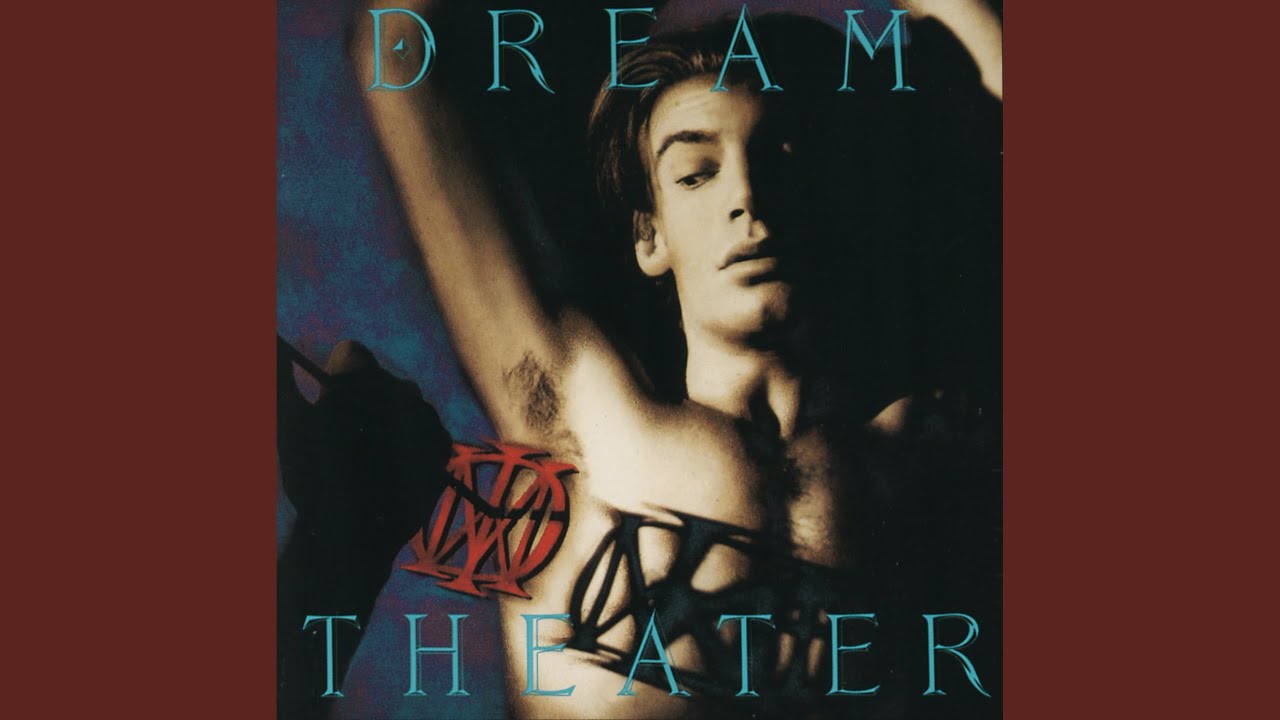
After Dream Theater focused all their art and ambition into 1989 debut album When Dream And Day Unite, it looked to have been a waste of time. The record flopped, the band were dropped, and hard decisions had to be faced if they wanted any kind of future. In 2014 drummer Mike Portnoy – who was partway through his 13-year absence – guitarist John Petrucci and late singer Charlie Dominici discussed the moment the band fired the vocalist.
It was with 1992’s Images And Words – when Dream Theater scored an unlikely radio and MTV hit in Pull Me Under – that their Rush-inspired, progressive metal first came to prominence. In fact, countless fans even now fail to realise that three years earlier they’d released When Dream And Day Unite, with Charlie Dominici on vocals rather than James LaBrie.
“A lot of those songs are not considered on the same level as the rest of the Dream Theater catalogue for two reasons,” Mike Portnoy says. “One is because it was a different singer; a lot of people have trouble accepting it as true Dream Theater because it was Charlie singing..
“The other is the production – it was so low-budget that the sonic quality of the album is not as great as the rest of the catalogue. But if you take away those issues and just listen to the music itself, that’s definitely the blueprint of the Dream Theater sound right there.”
For all the band’s ambition, the album failed to make any great impression. Their label failed to back the release with tour support or even a promotional video for the then-burgeoning MTV. The consequences would be far reaching: they losing their record deal and effectively had to start again.
The lack of commercial success was difficult enough. Worse was the idea that their dream of becoming professional musicians had been stolen from them. “After the release came and went with very little fanfare and very little activity, it was a devastating blow,” Portnoy says.
“It was the start of a really rough period. It was a huge challenge to overcome the failure of that record. The label didn’t do anything with it. We were heartbroken. It was the first lesson about the reality of the cruel music business.”
On top of all that, the band had also made the tough decision to part with Dominici after a handful of live dates, when they concluded that he wasn’t the perfect fit for them.
John Petrucci remembers: “We were pretty young; we’d gone to Berklee College then left to pursue this full-time. We were really dedicated, got a record deal, had a taste of a professional career – and kind of just dropped out. Then we dismissed Charlie, and we were just an instrumental band without a record label, wondering if it was ever going to happen.
“Fast forward through many, many singer auditions and we found James LaBrie and began writing music for Images And Words. So that was kind of the beginning. But at the time it was very discouraging as we felt we’d been so close.”
Images And Words would, of course, relaunch Dream Theater’s career in a spectacular way; still, the foundations of their success had unquestionably started with When Dream And Day Unite. Dominici remains saddened at his exit – even if he understands and accepts the reasoning behind it.
“I had such dreams that people would see what I saw in the band, but it was not to be,” he says. “Not for another three or four years until they finally did what I was suggesting all along, and put out a song that was radio-friendly, and the band broke big literally overnight. I’m proud of it all, and always will be. I’m so very proud of my younger brothers.”
One of the most heartbreaking aspects of Dominici’s exit was that, a couple of weeks prior, he’d had the band’s logo tattooed on his arm. “I got my Majesty tattoo right after we signed that deal,” Portnoy says, “and then later on Charlie got the same one. At that point we knew it possibly wasn’t going to be working out with him.
“He went away not being in Dream Theater with a Dream Theater tattoo, and now here I am, all these years later, not in Dream Theater and with a Dream Theater tattoo. I don’t think he regrets it any more than I regret mine. It’s a part of history and a part of our lives.”
