





For Halloween 2011 The Flaming Lips released 24-hour-long song 7 Skies H3 inside actual human skulls, selling 13 units of the highly-unusual and surprisingly legal $5,000 item. The following year leader Wayne Coyne told Prog about the thought process behind the stunt.
“We always thought Pink Floyd seemed involved in packaging and the way things were released. Even Sgt Pepper came out with cut-out buttons [badges], and The White Album came with posters. I wanted to create more of an art-world scenario.
Radiohead never seem to run out of ideas, and if you’re a fan of theirs, you feel like they love you. It’s the same with us – we love you, and I really do mean that! It’s like with the the human skulls: “Oh my God, The Flaming Lips really do love us!”
The 24-hour song is about death, and came inside an actual dead person’s skull. That’s pretty insane. I didn’t realise I lived my whole life in Oklahoma where there’s a shop [Skull City] which sells human skulls.
Every month the owner gets a new bundle from people donating their bodies to science or whatever. It smells pretty fucking hellacious in there. Put it this way – if it was in a David Lynch movie, you’d swear it was an exaggeration.
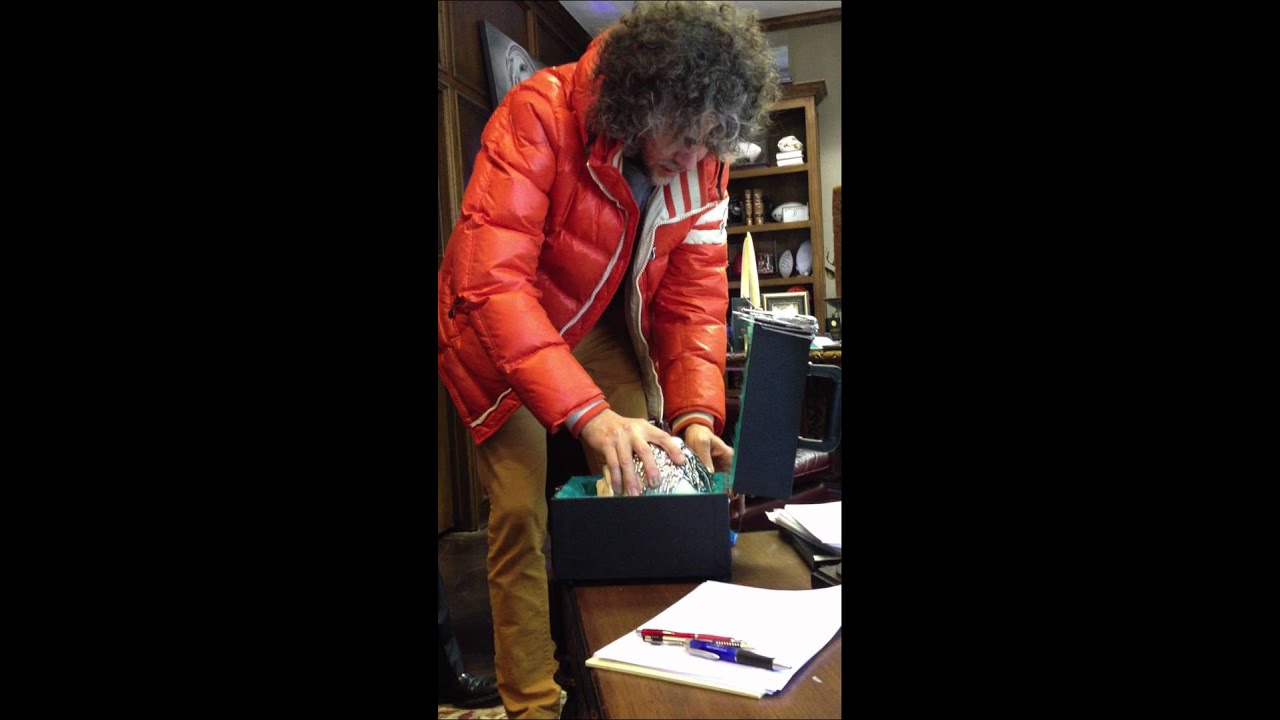
He puts flesh-eating beetles in with the skulls and they get to work for a couple of weeks. Then they get washed and they’re ready. Like I say, it’s insane.
People wander into the studio when we’re working on this stuff and they’re like, “What drugs are you taking? What could make you want to do this?”
But you want your ideas to be like a drug that you take as much as you can, so much so that you overdose on it. The worst thing in the world would be to be in a band who’s been making music for 30 years and it all fucking sounds the same. That would drive me crazy.
I stopped worrying about money a long time ago. We’ve done many things for the money, and there’s so much psychic pain that we don’t do that any more. We want a reason to live. We’re not going to make another Yoshimi.
The Soft Bulletin and Yoshimi were made during the shock of discovery that things die. Now I want to go even more heavily into the internal world. I want to challenge myself precisely because we’ve been successful. We’ve become free, even if that means free to fail. And I think I’ve become a person who really listens.”

