


When TesseracT released Sonder in 2018, they were a changed band from the one behind their first three releases. It was the first time the same line-up had made a second record together, allowing a real opportunity for growth – which they’d grasped eagerly, as they told Prog that year.
Like TesseracT’s second release Altered State, Sonder is explicitly a concept album. Not only that, but it was engineered from the start as such. “The lyricists in the band had been left to their own devices,” muses vocalist Dan Tompkins. “I wanted to take the opportunity to sit down with the guys and say, ‘For once, can we all just get behind not just the music, but the concepts and the lyrics?’
“So for every single demo that we had, we began to throw ideas on the table in terms of what we might want to talk about, what kind of images we had in our heads when we listen to the music.”
From this, a theme rapidly emerged. The concept is built around the word “sonder” which, as Tompkins explains, is a neologism created by writer and poet John Koenig in his The Dictionary Of Obscure Sorrows.
“We started to develop a really nice concept which we stemmed around the idea of ‘sonder.’ When I wrote the lyrics for One, the first album, there was very much a sense of dream-state kind of writing. I’d fall asleep listening to the instrumentals and I’d often get inspired by dream thoughts. A lot of the emotions I was feeling at that time were ineffable. That word has cropped up and been very relatable to me for the past seven years. I’ve not been able to describe certain emotions or express how I'm feeling.
“The word ‘sonder’ was the first time somebody had thought about creating a word for something, an emotion, that was ineffable – ‘sonder’ being that kind of feeling of walking down a street and you suddenly realise you’re surrounded by people that are living their own lives, their own complex and vivid lives, and you are very separate to that. You only live your one, tunnel-visioned life. You don’t step back and think, ‘Actually, there’s billions of people living incredibly complex lives just like your own,’ and I’ve always struggled to put that into words.”
How this concept plays out is what ties the music, concepts and artwork together into their grand vision. To support the concept, the band solicited field recordings from their fans, and the audio snippets they received were given to worked into tracks or used as sonic building blocks as part of the narrative conversation of the album.
“Basically we did a call‑out to fans to record any samples or sounds or anything, and we got about 80 submissions,” says rhythm guitarist James Monteith. “I think [sound man, production colleague and co-writer] Aidan O’Brien used about 40 of those to add textures and layers and basically make loads of sounds that you couldn’t have imagined would have existed. He managed to create them from a lot of sounds he didn’t know existed until he got them!”
At many points on the record, textures and sounds fleetingly appear and evoke the idea of other lives weaved in among the music, while never being fully clear to the listener. The richness these subtle touches add can’t be underestimated – even without knowing the provenance of these sounds, the album would still be set apart by their presence.
Though the record as a whole is highly conceptual, the tracks are some of the most immediate, concise and accessible the band have yet penned. Take, for instance, the album opener and lead single proper, Luminary. Not only does the track reach its epic chorus comfortably within a minute, but the song as a whole only just trips over the three-minute mark, a testament to the band not setting any hard and fast rules down about how they wanted ideas to develop.
“Luminary wasn’t meant to be a three-minute song – that’s just how it happened, and it finished at that moment and it didn’t have anywhere else to go,” explains Monteith.
King, meanwhile, is an example of the more collaborative style of songwriting that’s emerged on Sonder. On previous records, the workflow the band found most productive was lead guitarist Acle Kahney taking charge, with vocals and additional takes being added much later in the process.
King is my favourite track on there,. It’s probably had the most input from everyone
Acle Kahney
“This wasn’t the case on Sonder, though. O’Brien involved on a more fundamental level, contributing writing ideas, textures and electronics, and within the band the roles and writing process changed as well.
As Monteith explains, “Aidan was more involved in this record than before, and I think he brought a lot of ideas, a lot of the other sounds on the record. What he did with the field recordings added a really interesting extra element.”
Monteith’s own role changed slightly too. “King started from a riff I was messing with, then Aidan took it and added the mellow section afterward, then the chorus at the end. And Acle took all of that, wrote the bits in between and refined everything.”
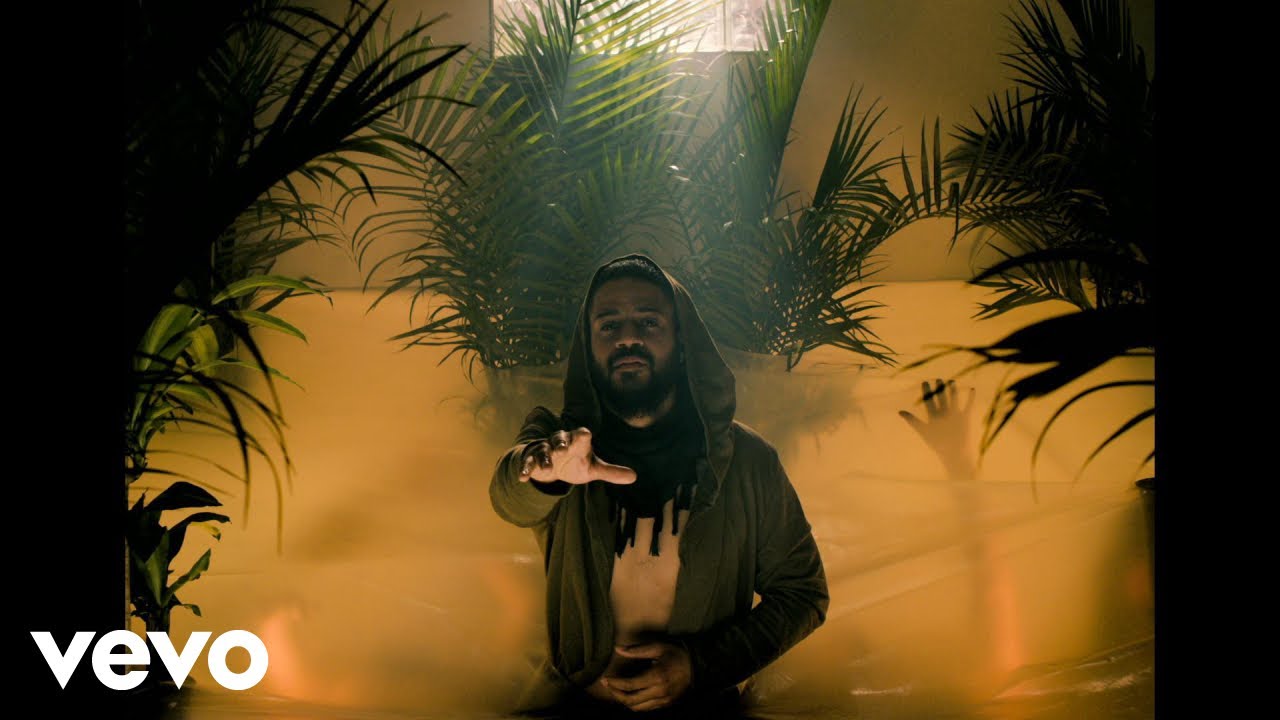
Kahney adds: “I think King is my favourite track on there, actually. It’s probably had the most input from everyone.”
Monteith: “Again, that’s a song where once the bare bones had been recorded. Dan wrote a melody, which then changed part of the riff in the first section and made this really cool little texture that wouldn’t have existed if he hadn’t written that, so it ended up being a really organic song. Organic for TesseracT, anyway!”
Kahney concludes by musing on a direction that might be open to the band for future releases: “If we’d had more time, that process would have happened a bit more. I’m still happy with everything – but if we’d had more time, we could have experimented more.”
