


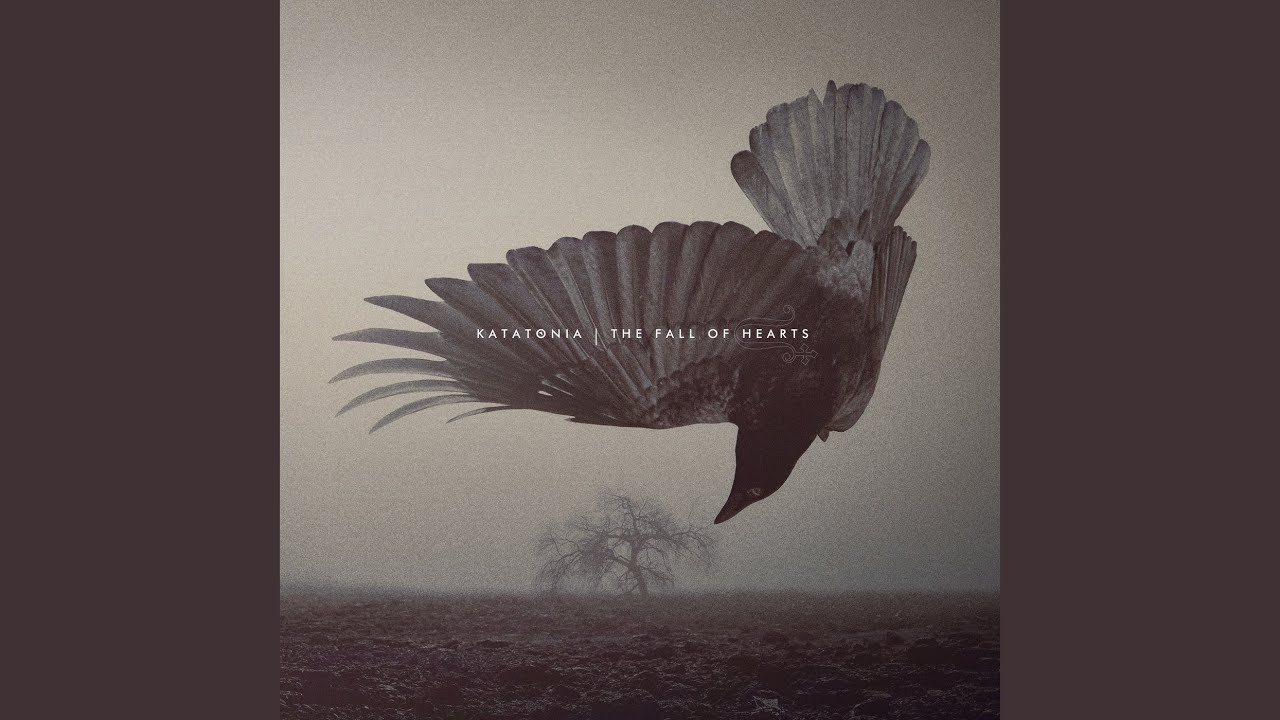
In 2016 Katatonia completed their move away from their extreme metal roots to deliver 10th album The Fall Of Hearts – which remains highly-regarded within their catalogue. Co-founders Anders Nyström and Jonas Renske cheerily celebrated a period of positivity, many years before their longtime partnership came to an end.
In progressive terms, 1991 was a pivotal year for extreme music. Grunge was emerging, techno was bringing in a new wave of dance music and the after-effects of hair metal could still be felt. Manwhile in Scandinavia, a pocket of bands were preparing to impose a massive influence on prog metal – Opeth, Enslaved and Katatonia. Whether they knew it or not, they were spearheading a new approach to black and death metal.
Sweden’s Katatonia took their cue from the UK’s burgeoning doom metal scene and blended it with the visceral attack of black metal bands. Over the last 10 years in particular, they‘ve produced some of the most emotively forlorn and yet life-affirming and beautiful sounds that heavy music can offer; and now they’ve come up their most progressive record to date.
Founding members Anders Nyström and Jonas Renkse discuss Katatonia’s natural progression over the years, leading to tenth studio album The Fall Of Hearts. “At the beginning the gothic, melodic, doomy scene was non-existent here in Sweden,” Nyström explains. “Everyone here was either playing black metal or death metal. We looked to the UK and saw bands like My Dying Bride, Paradise Lost and Anathema. We really identified with them, so we said, ‘Why don’t we become the fourth band of that genre?’
“Obviously our roots were with our heritage. But I think what really made Katatonia stand out was that all the gothic doomy stuff was blended up with this harsh, Scandinavian black metal edge.”
Fans who discovered Katatonia in recent years might be startled by their first few albums. Between 1993 and 1996 they used harsh vocals because it was all they knew. Growing up in Stockholm’s rock scene, Nyström and Renkse often bumped into Mikael Åkerfeldt and quickly became pals, to the extent that the Opeth leader played session guitar for them.
After debut album Dance Of December Souls, Renske lost his voice, and decided that growling wasn’t for him. They brought in Åkerfeldt to provide vocals on the next record, Brave Murder Day. But what happened after that paved the way to the new Katatonia – on 1998’s Discouraged Ones, Renkse tried clean singing for the first time, and although it needed a bit of work, the band could see its potential.
“We took pride in Jonas’ vocal style,” says Nyström. “It wasn’t just this ballsy, full-lungs style of singing, like power metal or opera – it was very low-key. His voice, combined with the heaviness, was the essence of Katatonia.”
From Discouraged Ones on, it was plain sailing – even if Renkse admits to being a “wreck” when he first made the switch. But by 2001’s Last Fair Deal Gone Down, they’d hit their stride with lush melodies, strings, progressive rhythms, reassuring vocal layers and soaring guitars. Six albums later, Katatonia’s songwriting is still improving in leaps and bounds – and for them, the song is all that matters.
“When we write an album, the primary discussion is always about the songwriting,” explains Nyström. “Everyone’s personal desires have to take a step back because the song is number one. These days our whole motto with the band is to write good music and good songs and if it gives you goosebumps, it’s a keeper.”
Popular legend has it that frontman Renske is quiet, almost to the point of being withdrawn. But away from prying cameras, and during a brief period when he’s had some quality time with his kids, he’s relaxed and talkative. He even jokes about the comments he gets about his hair covering his face in YouTube interviews – “That’s the point; this isn’t a model show!” – and about his gloomy lyrics – “I can’t write about having a picnic in the sun!”
Asked if he sees any special magic in the union between his voice and Nystöm’s atmospheric guitar expertise, his response is suitably low-key. “That’s probably natural – it’s not something we think about. We do love sad and gloomy music, but we don’t want to make something that’s unlistenable. We started the band 25 years ago so we know each other very well; we know what to expect from each other and we know where we want to go. It’s just a very lucky relationship, I guess.”
With Daniel and Roger on board we've been able to go into territories we haven’t been able to explore before
Anders Nyström
The last two records saw them exploring the semi-acoustic side of their collective personality. The lush layers and twinkling atmosphere of Dethroned & Uncrowned led into Sanctitude, a live acoustic album consisting of performances from Dethroned, alongside reworkings of older songs. It was recorded at the Union Chapel in London and features Bruce Soord on guitar, as well as The Gathering’s Silje Wergeland. In terms of prog credentials, it’s pretty high up there.
The Fall Of Hearts benefits from that more stripped-down approach, but the most noticeable thing is how progressive it is. Take Serac : its seven minutes of tumbling off-kilter riffs bear an uncanny resemblance to Opeth, except with Katatonia’s signature gloom, and a lot of shredding. It’s an excellent combination that has much do with their new line-up. This is the first record to feature new drummer Daniel Moilanen and guitarist Roger Öjersson; and for Nyström, it’s a breath of fresh air.
“We’ve had the urge to go as progressive as this in the past, but things held us back. With Daniel and Roger on board we've pulled it off – technically, we’ve been able to go into territories we haven’t been able to explore before.”
Interestingly, Katatonia have had very little contact with prog’s main players, except for some early exposure via Renkse’s family. “Jonas’ father has been a big prog fan his whole life,” explains Nyström. “He was constantly playing Jethro Tull. When we asked if we could borrow the record player to put on Bathory he said, ‘Guys, give this a chance.’
“We could tell it wasn’t just some boring record that a mum or dad would put on. It was intriguing – but we were so into extreme music that it just wasn’t enough at the time. If Jethro Tull’s singer growled maybe we would have loved it!”
Today Katatonia are far more in touch with the ever-expanding landscape of progressive rock. They’ve toured with Opeth in the US, and Renkse lent his vocals to Arjen Lucassen’s Ayreon project on 01011001, as well as collaborating with Soord for 2013’s Wisdom Of Crowds project.
While The Fall Of Hearts poses their “biggest challenge so far” in terms of performing it, Katatonia are aiming high, with a plan in place to perform live with a 30-piece orchestra in Bulgaria. “We’re all really excited and looking forward to that,” says Nyström. “It’s going to be a great year!”

