


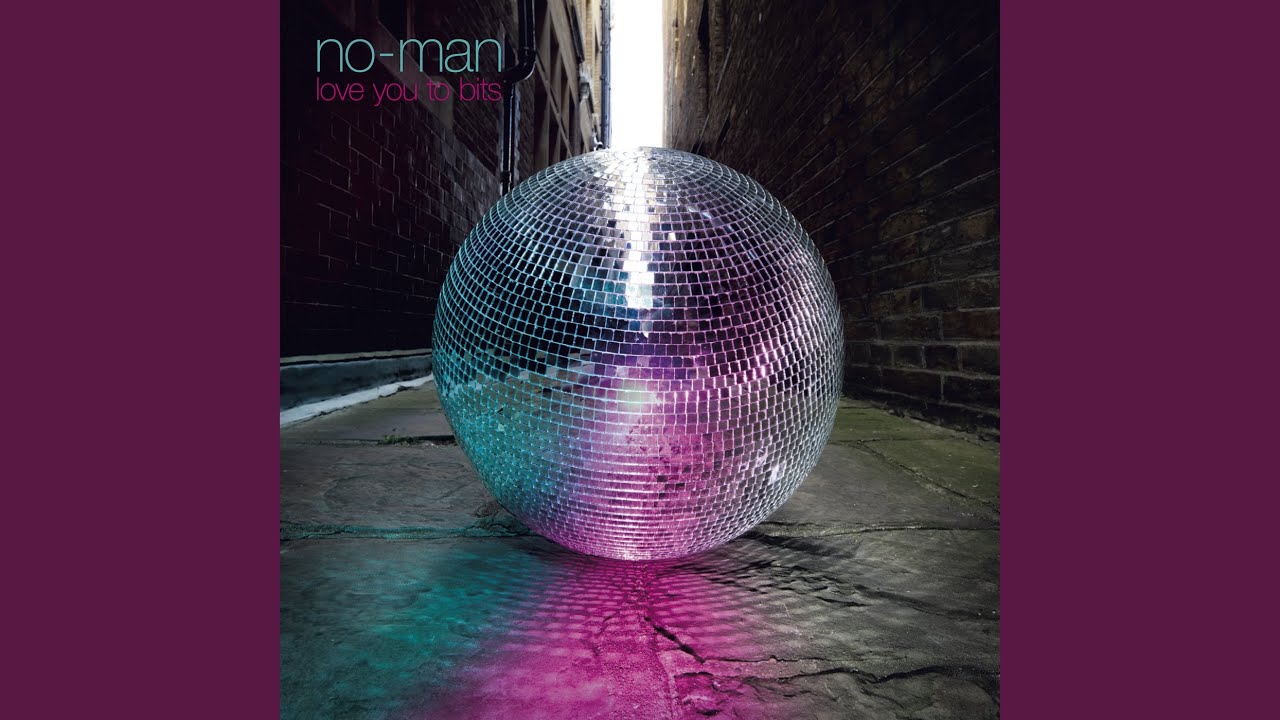
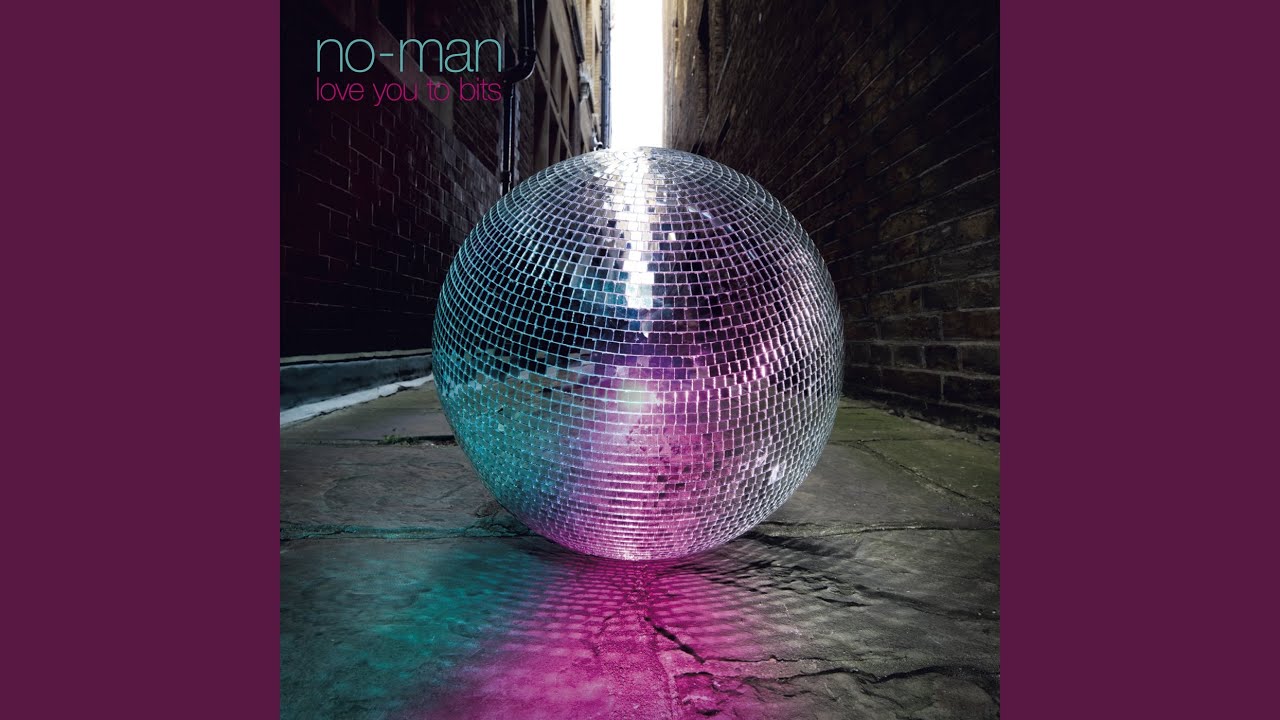
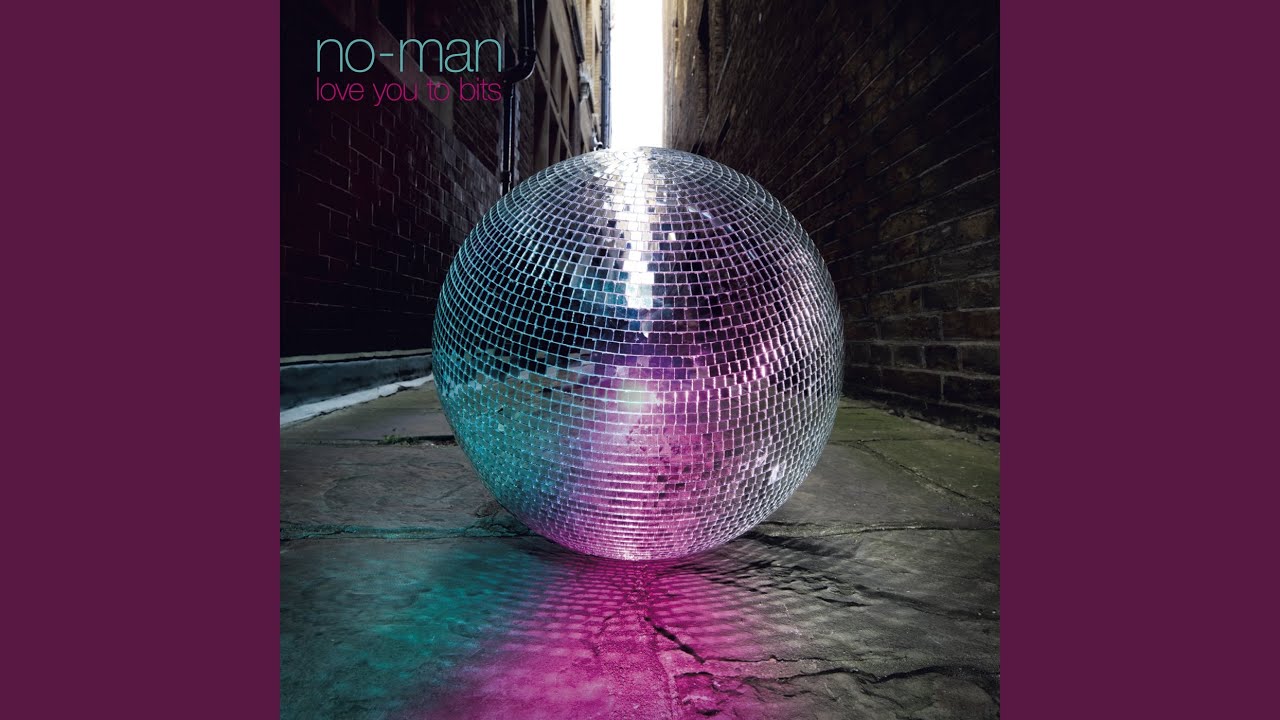
More than a decade on from No-Man’s Schoolyard Ghosts, Steven Wilson and Tim Bowness returned in 2019 with Love You To Bits, their most recent album to date. Just before the release Prog discovered the reasons behind its long gestation.
It’s been 11 years since Tim Bowness and Steven Wilson launched their last album under the No-Man banner. In that same year, 2008, Wilson released Insurgentes, his first solo title and the doorway into a whole new career.
Since then there’s been a smattering of No-Man live shows and a concert DVD, but no new material, mainly for scheduling reasons. The band’s re-emergence into the spotlight comes with Love You To Bits with a bold musical direction, which has been gestating for 25 years, since the release of 1994 album Flowermouth.
Comprised of two pieces which mirror and counterpoint each other, Love You To Bits was conceived from the duo’s mutual love of Donna Summer’s work with Giorgio Moroder – in particular the vinyl side-long disco experimentation of I Feel Love and Love To Love You Baby.
“We had an idea of doing an album-length investigation into a song,” Bowness reveals. “We finished the first part of the first piece during the time Flowermouth came out to pretty good reviews and fairly good sales. Love You To Bits wasn’t quite what the record company were expecting. When we gave them the album, they didn’t want a 10-minute piece with no rhythm starting off. So the promotional budget was taken away, the video budget was taken away, and we got dropped by our manager, our publisher and our record company.”
He continues: “The glorious, grand project we were going to work on suddenly didn’t seem quite right, so we embarked upon [1996’s] Wild Opera. We gave ourselves an hour to write, record and complete something, so it’s a very spontaneous process. It was a really abrasive album. I guess it was reflecting how we felt at the time, which was very bad!”
The pair kept Love You To Bits and its influences in mind, particularly those Donna Summer records. “They were quite close to what Tangerine Dream, Ashra and Kraftwerk were doing at the same time. They were tremendously ambitious – they would have side-long pieces and go into all sorts of different movements.
“In some ways, because it was quite cinematic, it tied in with something like John Barry, and because it was quite epic and shifted tempo a great deal it also tied in with things like Pink Floyd’s Echoes or Shine On You Crazy Diamond. Part of our inspiration was a discussion of influences we had in common when we were very young.”
With five minutes of Love You To Bits recorded, work slowly continued over the following years. In 1998 a 10-minute variation was attempted with saxophonist Theo Travis soloing, but No-Man weren’t satisfied with the results. then in 2013, when Bowness was writing for a more hard-rocking version of the band, inspiration struck.
“I had an idea for what became the beginning of Love You To Pieces, the second part of the album, so we met up.” Other calls on their time meant that it was shelved for several more years, until Wilson rediscovered the fragment. “Steven said, ‘Why on earth didn’t we develop this further?’ It took us another year to get together in the studio to make it happen.
“We decided to buckle down this year. I think with aspects of what Steven was doing on [2017’s] To The Bone, and what I was doing with [2019’s] Flowers At The Scene, we’d come full circle – it suddenly seemed really logical and we very much wanted to make and complete the album. So we spent a few days in the studio. It was a fantastic atmosphere, very like the early days, when we’d throw ideas and names around and just pursue them.
“You’d have an idea and it might be very specific, but it would turn into something else while you were working on it. A lot of the recordings were done this year when we added Adam Holzman [keyboards] and David Kollar [guitar] and one of my favourite sections, the brass band section.
Music has a much diminished role in the world at this point. It was vitally important to me and Steven as teenagers. It’s vitally important to us as adults
“I was listening to the piece and thinking, ‘I know exactly what it needs,’ so I emailed Steven, thinking he’d think, ‘What a ridiculous idea!’ But I could really hear a brass band coda, and he said: ‘Great idea. Make it happen!’”
It would seem that once schedules and commitments align, the working process between the duo is a streamlined and productive affair – but that doesn’t mean it’s without friction. “We can be quite brutal with one another,” Bowness admits. “We’ll take it because usually there’s a good atmosphere and it’s surprisingly energetic and humorous a lot of the time, whereas other people we work with might be more cautious around us.”
So what defines No-Man? Why would two musicians with all the success, acclaim and artistic freedom they enjoy, still strive to come together and create? “That’s a very difficult question,” Bowness says. “It feels to me that it’s a unique collaboration. Maybe that’s because from my point of view, even now, Steven’s the one musician I can throw any idea, any reference at and he’s not gonna blink. I hope it’s the same the other way round as well.
“I’ve always been amazed that we actually have a No-Man sound, because we both have such eclectic influences. It’s that, combined with a particular atmosphere – a sense o melody and melancholy. I know that when I write songs on the guitar, although I’m not as technically gifted as Steven, we both seem to use similar chord voicings. For whatever reason, we’re both attracted to similar atmosphere, mostly on the melancholy side.
“We’ve always wanted to produce music that’s ambitious but accessible with a strong emotional content, while not overwhelming people with that.”
In some ways Bowness is still that young boy listening to I Feel Love, discovering how pop music can be expanded beyond the three-minute chart hit, probing its boundaries. “Music has a much diminished role in the world at this point,” he reflects. “It’s something that was vitally important to me and Steven as teenagers. For better or worse, it’s vitally important to us as adults.
“Listening to and making music has never lost the importance it had when I was 13 and very deeply passionate. You want to put that back into the world.”
