


When affordable synthesisers arrived just as punk ran out of its initial puff, the new machinery offered an alternative to picking up a guitar and learning three chords.
Thus, tens of thousands of converts plugged in a keyboard and learned three notes – which, of course, is all you need if you have something to say.
The Human League were there at the vanguard. Mainly hailing from post-industrial Sheffield, they always believed in the DIY ethic of punk, even if they expressed it through MIDI pop. And therein lay the prog, especially with the arrival of former Rezillos guitarist Jo Callis in time for 1981’s Dare.
The pop-culture-obsessed ex-art student had delivered a number of hit singles with an approach heavily powered by David Bowie and Mick Ronson; and so it would prove here. (Callis’s 21st-century band FingerHalo gave a convincing live adaptation of The Width Of A Circle, one of Bowie’s proggiest tracks.)
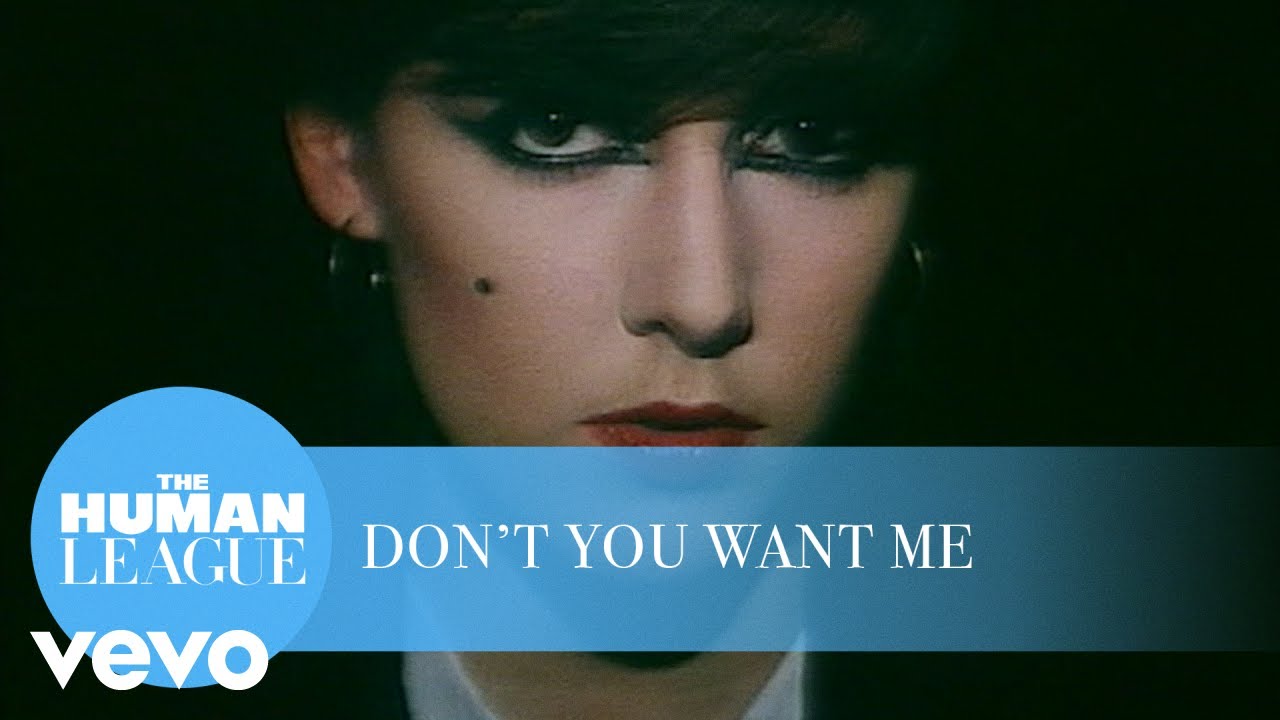
Dare will always be remembered for the smash hit Don’t You Want Me, so ubiquitous that it’s still earning co-writers Callis, singer Phil Oakey and keyboardist Adrian Wright royalities to this day. It’s irrefutably pop – until you listen to the chord structure leading to the chorus and in the chorus itself.
A technical expert will have to explain what’s going on, but it plays on the notion of straightforward construction by presenting alternative inversions of chords near the ones you think you’re hearing. Prog or what?
Don’t You Want Me is the last track on Dare because no one thought it would do anything. Earlier on, though, we have Seconds – and, at this point Callis, Oakey and Wright have transplanted themselves to the world of krautrock, complete with motorik beats, droning backing notes and minimalist leads.
Meanwhile Oakey delivers his lyrics – addressing how the world changed with the assassination of JFK in 1963 – with an almost wilful dismissal of verse-chorus structure.
Such dark, subversive alternative influences are all over what’s regarded as a genre-defining pop record. That’s partly down to producer Martin Rushent, whose proggy credentials by then included Gentle Giant, The Sensational Alex Harvey Band, Groundhogs, Curved Air and The Stranglers.
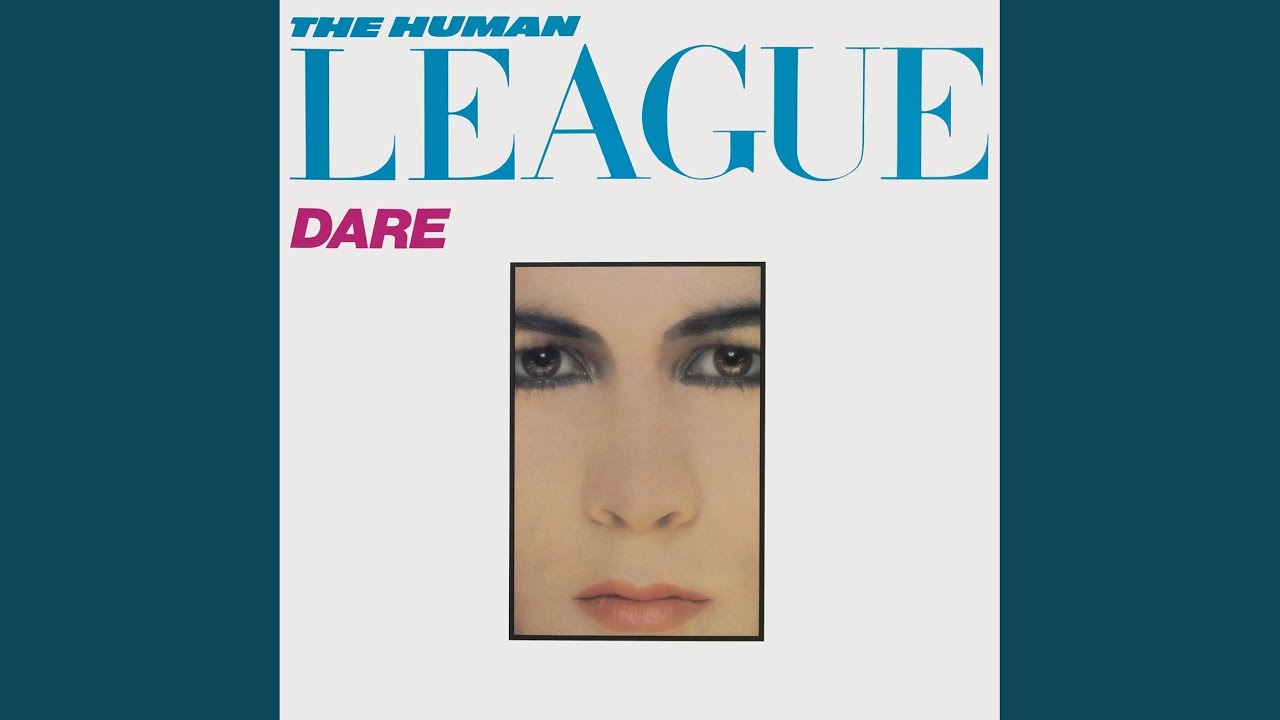
The you-can-do-it-too influence of Dare contributed to the Musicians’ Union’s attempt to ban synths in the mid-80s; meanwhile, Rushent helped invent the notion of the remix album, helming 1982’s Love And Dancing under the banner of The League Unlimited Orchestra. It contains a seven-minute version of Don’t You Want Me where you can really hear those weird chords in action.
Seconds remains a massively drawn-out, theatrical part of The Human League’s performances, offering audiences a shamelessly prog moment amid the electronic, not-quite- new-romance. It’s evidence that Dare is a secret prog album hidden in plain sight – which is pretty daring by any measure.
