


Trevor Horn’s career began at a time when music producers’ names were barely recognised. But with a passion for good music and a desire to share, the Buggles co-founder became one of the most celebrated studio stars of the 80s and 90s – and never abandoned his passion for prog. He looked back on his career so far in 2019.
What was it like to work with Genesis on the The Carpet Crawlers 1999, their reworking of the 1975 song with the classic-era line-up including Peter Gabriel?
What fun!
Were they all in the studio for it?
The four of them – not Phil Collins. I had to go to Switzerland to record him. Phil’s the loveliest man. The first time I went over, he played the drums, and then he did his backing vocals. After his first take I said to him, “I don’t suppose you’ve ever thought of going solo?”

It was a pleasure; they had great manners. Peter’s the slightly crazy one while Tony Banks is the core of the group. A Trick Of The Tail is one of my favourite all time albums. I love Los Endos; I crank that up while I’m washing the dishes. And Ripples is my favourite singalong track, when it hits the big high note.
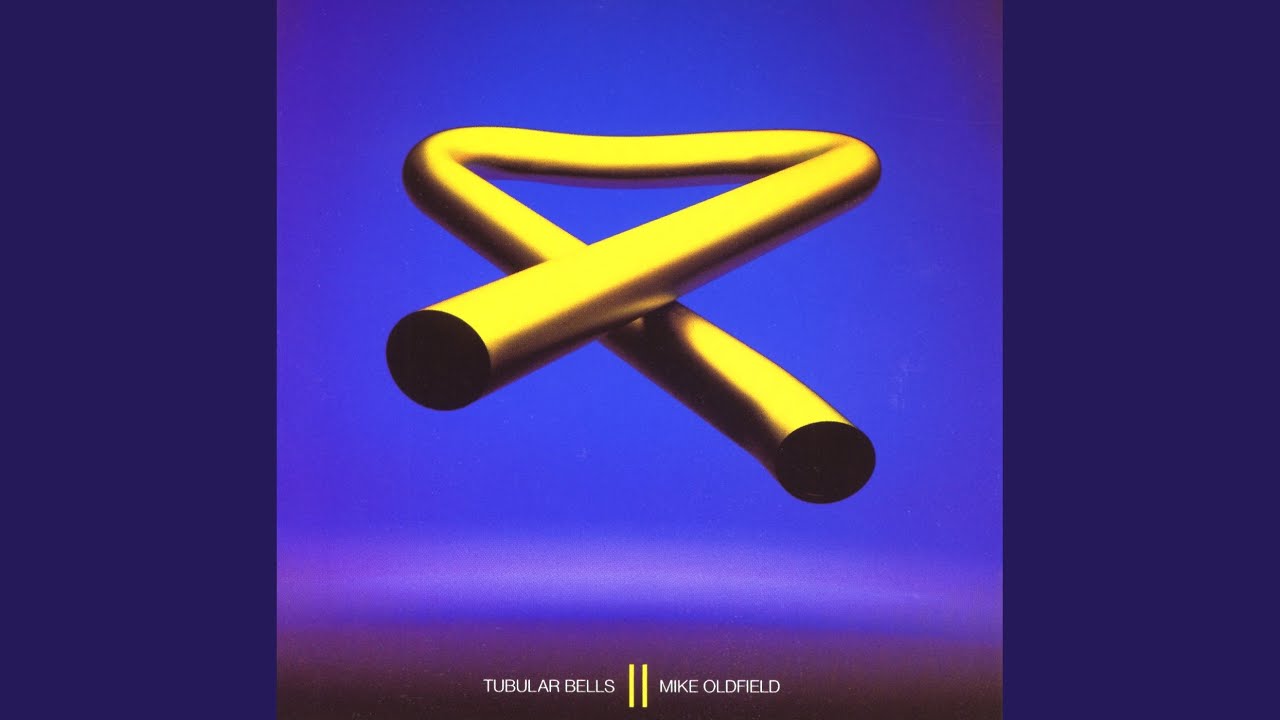
One of the first records you made in LA was Mike Oldfield’s Tubular Bells II.
It was the first time I’d heard of a ‘two’ album. I liked Tubular Bells, although it wasn’t my favourite album of Mike’s – that’s Incantations. I used to play it in the car, especially the Hiawatha section.
Mike was cool. He rented a house in Beverly Hills and we made most of it there. It was when the riots were happening. He was playing everything, so he was totally in control.
There was a section, the bit where the “strolling player” [Alan Rickman] talks. It was 48-track and we’d been working on it for two weeks; I thought we were nearly there. When I came in [one morning] people were looking at me; they told me that Mike, who’d just gone to bed, had changed the bit.
He’d wiped it. It was changed forever – there was no undo button. I was in shock. It was the only time it’s ever happened to me in 40 years.
What did you say when he woke up?
Mike asked what I thought and I told him it would take me a little time as I’d kind of liked the other one!
I was always encouraging him to give the guitar lots of love – he’s an amazing, extraordinary player, the way he comes up with the tunes. He has names for all of the sounds.
Yes will never be the same – it’s different, but it has the same excitement
The way you’ve able to smuggle prog into the charts is great. Probably the absolute zenith was the title track of Frankie Goes To Hollywood’s Welcome To The Pleasuredome.
Oh, it was absolutely prog! I was trying to do a long track for the simple reason that I found tracks like Yes’ Gates Of Delirium and Close To The Edge were just great when you were driving. They were instrumental pieces of music with songs in that seemed to go somewhere. In the 70s, those songs had given me such pleasure. I wanted to see if I could do it.
I think Pleasuredome stands up still; it’s entertaining. What really strikes me when I hear it is what a brilliant engineer Steve Lipson is. I think that’s some of the best mixed stuff I have ever heard – it’s extraordinary.

You’ve kept in with Yes, reworking Fly From Here and aligning yourself with Steve Howe’s version of the group onstage at the London Palladium last year.
I’m very fond of Steve; he’s really worked hard to keep the whole thing going. He’s been doing that for 10, 15 years now, and I have to admire him for it. I think they’re really good. It will never be the same – it’s different, but it has the same excitement.
Are you able rise above factions?
That’s what I always try to do. I was talking with Trevor Rabin just yesterday on the phone and we’re going to get together when I get back to LA. I don’t have beef with anybody.

