




Steve Hogarth endured a series false starts to his musical career – and came close to becoming a milkman before an old friend encouraged him to apply for Fish’s former role in Marillion. Since then he’s released 16 albums with the band, toured as a solo artist and collaborated with countless others. “I did always imagine I’d be a star by the time I was in my mid- 20s,” he tells Prog cheerfully. “It took rather longer than that. Some would argue it’s yet to happen.”
What was your first musical instrument?
Technically, you’d say voice – I was in a choir when I was about 11. But I saw Deep Purple at Sheffield City Hall on the Machine Head tour. I thought, “Nothing’s better than this – it’s what I should be doing!” I’ve never really understood guitars, so I pleaded with my mum and dad to get me an old piano, which we put in the back room and I slowly but surely banged on it until I could play it.
Where did prog fit into your DNA?
It was a big part of it. I remember going to a party at someone’s house when I was 15 or 16. They were playing Status Quo’s Piledriver and one of the Led Zeppelin albums. Then somebody put The Yes Album on. I thought, “What on earth is this? This is amazing!”

It still stands out, because it’s Yes at their rawest, before there were too many cardboard cows in the studio. They were fusing Beach Boys and Crosby, Stills & Nash and jazz and this amazing sense of musicality. I didn’t realise that at the time. I just remember thinking, “What the fuck is this?”
Did you get lucky at the party?
Oh, I did get lucky! I met my first girlfriend at that party. I managed to combine prog with romance. I did get into Genesis rapidly after that – Nursery Cryme, Peter Gabriel’s amazing, chilling tones. I went to see Yes on the Fragile and Close To The Edge tours; I saw Genesis on the Foxtrot tour, the Selling England By The Pound tour, twice on the Lamb Lies Down On Broadway tour. I was at all the live gigs back then.
School performances aside, what was your first time onstage with a band?
Me and my best mate at school, who was a drummer, formed a band called Harlow. We got another mate to play guitar and I played piano and sang. We did a pub in Doncaster called The Woolpack every Tuesday night. That might have been our first gig. We played the working men’s clubs and miner’s welfare clubs – that was the scene up there.
Harlow released a single, Harry De Mazzio, in 1978. You’ve been pretty disparaging about it. Why?
It was the 70s. People like David Bowie were doing their thing, and I was writing a song called Harry De Mazzio. There you go.
It came out at the height of punk. Was that on your radar?
Everybody looks back at 1977 as the year punk happened, but it never happened in Doncaster. I was a hippie in the jaws of punk. I think I was a bit eccentric. I used to go round Doncaster in a bathrobe, yellow clogs and a lot of beads. It got me in all sorts of trouble. There were a lot of coal miners staggering out of pubs who would take one look at me and hit me because I represented some kind of affront to humanity.
What were you like back then – were you cocky?
We had a post office van that broke down after a couple of days, with all the gear in it. We couldn’t afford to fix it. That was the end of the band
I don’t think so. I felt different. When you’re walking down a street in a bathrobe and yellow clogs, you do feel different. I think I had the need to make the point: “Look, I’m not like the rest of you.” That was probably why I got hit a lot.
You ended up moving to London. Did you step off the train and think, “This is it – we’ve made it and we’re going to be rich and famous in six months”?
I didn’t actually go down on the train. My girlfriend, who would become my wife, had already moved from Doncaster to Shepperton, so that was my opportunity. I moved down there with a bloke from Doncaster who moved furniture around the UK in his van. We ended up going via Devon and Cornwall to drop off desks and chairs before we eventually made our way to Shepperton, where he dropped me off with a large hi-fi and a few clothes.
The drummer and the bass player from Harlow had moved down as well. They got themselves a horror flat in Notting Hill, which was really rough in those days. We became the Neutrinos, briefly – I think we did two shows. We had a post office van that broke down after a couple of days, with all the gear in it. We couldn’t afford to fix it, so it ended up in a pound. And that was the end of the band.
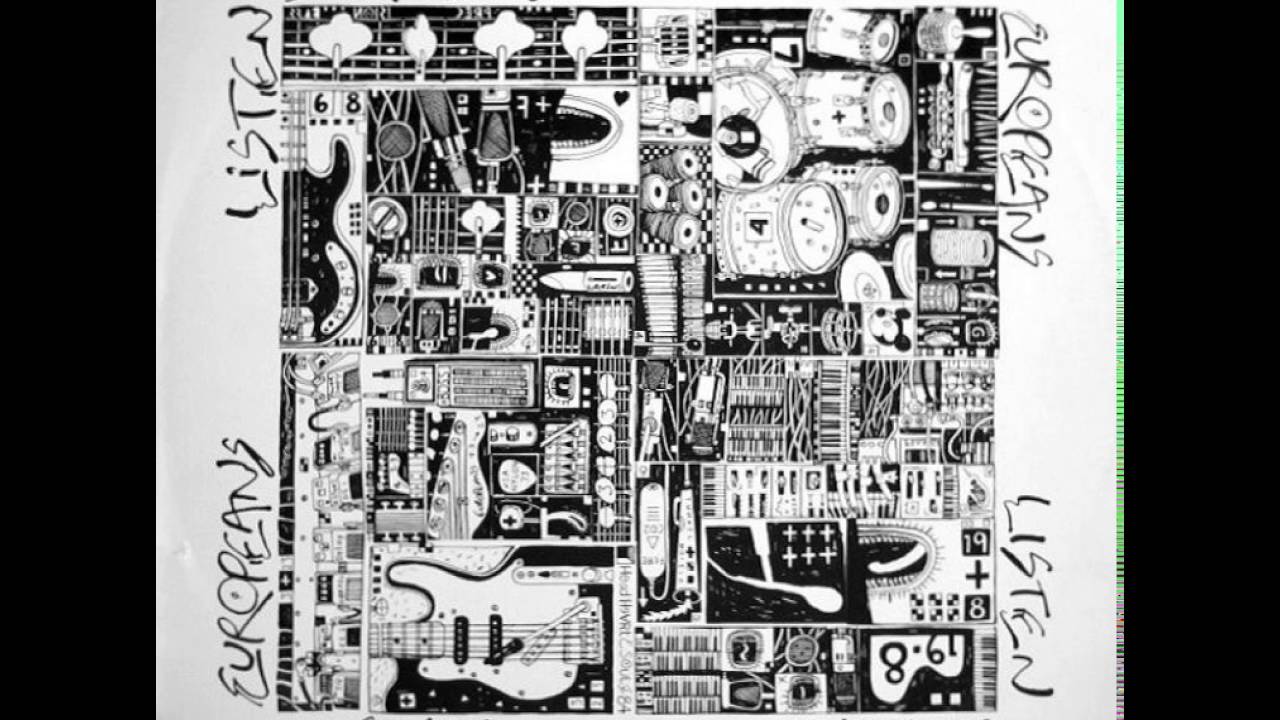
You ended up joining The Europeans. You were their keyboard player, but they let you sing the odd song. Were you happy being reserve vocalist?
I didn’t mind at all. I’ve never been that bothered about the singing. I used to write little dodgy songs and sing them, but my focus was more on the keyboard playing. They had advertised for a keyboard player in the back of the Melody Maker, so the fact that they let me sing at all was quite generous of them.
We were rehearsing in Chelsea in the middle of the night ’cos it was cheap, and the bass player said, “Have you got any songs?” I told him yes, and he said, “Well, why don’t you sing them, then?” That’s how I became the second singer. But I didn’t find it frustrating at all.
The MD said, ‘The singer can’t sing, the band can’t play and the songs are no good.’ I was the singer, the band was shit-hot and you can argue about the songs
The Europeans made two albums and then split up. What went wrong?
We were absolutely convinced we were going to be huge. It didn’t feel like a dream; it felt like something that was going to happen. We were signed to A&M, we were all great players, we could all sing, we were creative, we were great live. We thought, “This is it – we’re gonna be the next Talking Heads.” Then the record company split up.
Jerry Moss, who was the ‘M’ in A&M, decided to pull the plug on the UK office. They’d been used to signing The Police, Joan Armatrading, Joe Jackson and all these artists who’d had massive success, but then it had dried up and they hadn’t had a really big album for a while. And they said, “That’s enough.” Everybody got fired and that was that.
That must have been dispiriting.
We were fucked. We were on a retainer to stay alive from A&M, ’cos we weren’t making enough money to be self-sufficient. We had a manager at the time who said, “I can probably get you out of this deal, and we’ll just sign another one somewhere else.” He got us out of the deal but he couldn’t get us another one.

For a few years in the 80s, you did a bit of session work. Tell me the first thing that comes to mind: John Otway.
Completely nuts. Good nuts. But with a steely creative business plan underneath.
Completely nuts! I went in and did some backing vocals with him [on 1987’s Saint Julian]. He used to pop out to Hamleys and come back with lots of toys. Him and his guitarist used to sit in a corner of the studio playing with these toys. He was bananas, but I love his voice. I had a lot of time for Julian.
The The’s Matt Johnson.
Serious. Focused. Thoughtful. A little bit scary. He looked like the kind of person who might strangle you if you pissed him off – I’m not saying he would have, in any way. Later on, I went to his apartment; he was lovely. He was vegetarian and only drank fruit tea, so he was quite monastic in that sense. He was like a monk you wouldn’t fuck with.
I said, ‘I’ll get a job that finishes by lunchtime.’ At that point I’d have just as soon been a milkman as have anybody ask me to write another song
Rather than pursue a full-time career as a session musician, you formed How We Live. How did you plan to avoid a repeat what happened with The Europeans?
I’m not sure we did! It was me and Colin Woore, the guitarist from The Europeans. Towards the end of The Europeans we were co-writing a lot together, and I really liked what he was coming up with. A guy named Peter Karpin, who was famous for signing Men At Work, wanted to sign me to his label, Portrait. I persuaded him to have Colin as well. It’s lonely being a solo artist, so I managed to sell them the idea of a band.
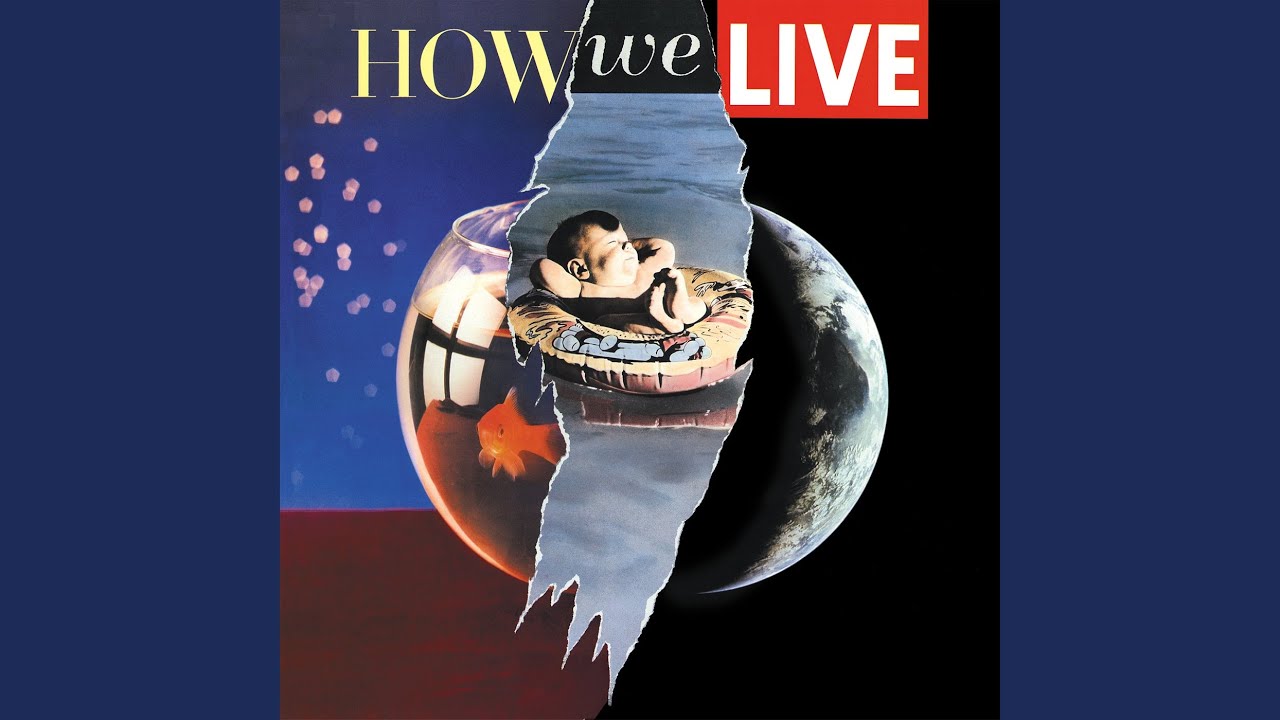
How We Live only managed one album, 1987’s Dry Land, then it all went wrong again. What happened?
We were called Jump The Gun at first. I changed that to How We Live and the record label didn’t like the name at all, so I pissed them off right from the start. The MD came down to a gig we did at the ICA in London, and he was overheard saying, “The singer can’t sing, the band can’t play and the songs are no good.” Well, I was the singer, the band was shit-hot and you can argue about the songs. But that was it. We were dropped the following week.
You’ve talked in the past about having considered quitting music to become a postman or a milkman. How serious were you?
Totally. I was heartbroken by the process of being signed to Portrait. We used to go in there and play the songs and they’d go, “Hmmm… have you got anything else?” It was horrible. It wasn’t about creativity, it was about, “Give us a hit or fuck off.” By that point, I couldn’t even walk past a musical instrument shop without the knot in my stomach tightening. I thought, “Life’s too short for this.”
My wife was pregnant with our first child, so I said, “Sod it, let’s go to Derbyshire, buy a nice cottage in a nice village; I’ll get a job that involves me being finished by lunchtime, and I’ll watch the kids grow up.” At that point, I’d have just as soon been a milkman as have anybody ask me to write another song.
I’ve heard the boys saying, ‘The money was tight and we were very worried.’ I just remember turning up at the studio and writing a few good albums
You had an offer to play keyboards with The The on the tour for 1989’s Mind Bomb. Do you ever wonder what would have happened if you’d taken the job?
Yeah, I sometimes wonder. I suppose I’d have had the reflected glory of being in the coolest band in the United Kingdom at that point, but it was only a tour. I guess I’d have become, at best, a jobbing keyboard player to the great and the good. And I might have made more money. But it’s not really what I was hoping for at that point.
Instead, you took the Marillion job on the advice of your friend Darryl Way. A fair few fans refused to accept you as the new singer. Was that tough?
Not at first. The attitude of the other four was, “Oh, don’t worry about that, it’ll all be fine!” They’d talk about Fish in fairly disparaging tones because they were busy slugging it out in court, so they didn’t seem worried about it. It wasn’t until we played live for the first time that I suddenly realised what I’d bitten off. I really thought, “Oh Christ, what are they gonna do?” But the fact is that people who didn’t like a Marillion without Fish had already lost interest, so I didn’t really come up against them.

Were you consciously trying to change the band’s sound – maybe drag them out of the 80s?
I was, yeah. It wasn’t dead easy either. They were set in their ways, and with good reason – they’d had a lot of success. So someone who hadn’t had a lot of success going, “Are you sure about this?” isn’t something you’re going to listen to. But there was a conservatism within the band. David Bowie once said you needed to be in the water in that place where your feet don’t quite touch the bottom, because that’s where the good stuff is. And I think that if they were left to their own devices, they wouldn’t walk in that deep. They’d splash around where they always were.
They were playing something widdly and proggy, and I probably said the wrong thing. It spiralled into an ‘I’m done’ situation
Marillion went through a tough time in the mid to late 90s. How bad did things get for you?
To be perfectly honest, from my perspective I’d known much tougher times. I’ve heard the boys saying, “The money was tight and we were very worried,” and this and that. I never remember any of that. I just remember turning up at the studio and writing a few good albums.
I might be a lone voice there, but I know what it’s like to have no money and be going cap-in-hand with a demo tape to an A&R man who had your future in his hands who would just send you away. This wasn’t like that.
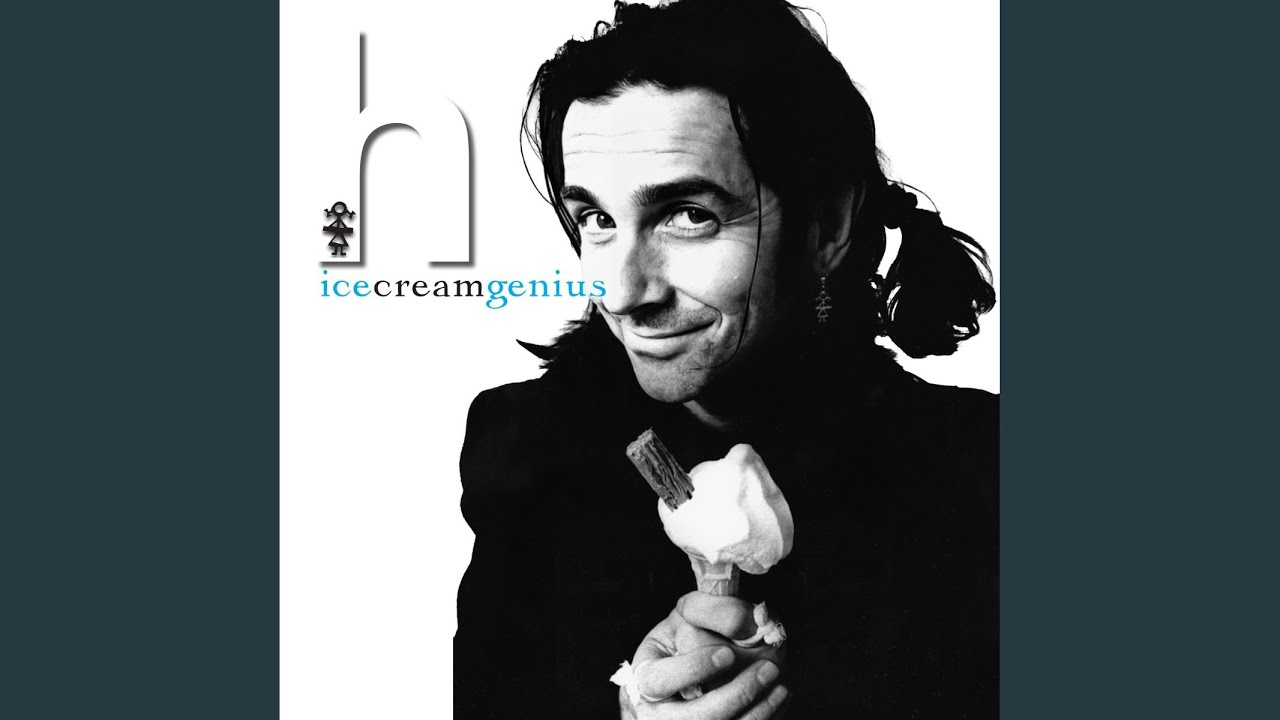
You released your first and only solo album, Ice Cream Genius, in 1997. If it had taken off, would you have left Marillion?
Impossible to say. But it didn’t. The day that album came out, I was watching Steely Dan at Wembley Arena. There were two guys sitting behind me who must have been in the music business, and one said to the other, “Well, what about Castle Communications going bust, then?” And that was my label. It was the first I’d heard about it. So that album was dead at birth. It was heartbreaking – but you’ve got to take it philosophically.
What’s the closest you’ve come to quitting Marillion?
Before Sounds That Can’t Be Made we went out to Portugal to write. I was in a vortex of domestic madness at that point, and it was an incredibly stressful time anyway. When I got there, they’d hired this place in the middle of nowhere. They’d set up in this hard stone room and they’d been having a whale of time, but from the moment I walked in, I couldn’t hear myself singing – it was just a riot of noise.

I didn’t want to be there from the start, and they were playing something they wanted to work on, which was a bit widdly and proggy, and I probably said the wrong thing. And that spiralled into a “Fuck you, I’m done” situation. British Airways were on strike, so I couldn’t even get a flight back to England.
I think I did knock it on the head. I said, “I can’t do this any more; I quit.” It was Ian Mosley – who’s always tended to hold things together – who said, “Let’s take six months off, not see each other, then I’ll call you and find out if you’ve still left.” So, of course, he called me in six months and I couldn’t even remember what we’d been arguing about!
What are you proudest of?
I’m very proud of the All One Tonight live video from the Albert Hall. It presents us in our best light. I remember standing there on the night and thinking, “God, this is beautiful – how have we pulled this together?” And I’m proud of still being here.
If Matt Johnson called tomorrow and said, “There’s a vacancy in The The,” would you bail on Marillion?
No, but I’d go and do some shows with him in a heartbeat. And I wouldn’t charge him either.
The reissue of Ice Cream Genius is on sale now.

