


In 2020 Fish looked back with Prog on the highs and lows of his solo career, including Sunsets On Empire, his 1997 collaboration with Steven Wilson. While it remains one of the former Marillion frontman’s best-received records, it contains a certain amount of controversy, and came during a bright moment just before financial and emotional storms broke once again.
In 1993 Fish began to manage himself and go it alone label-wise, with the launch of the Dick Bros Record Company, via which he released 1994 album Suits.
Although the record made No.18 in the UK charts, he was still getting to grips with doing things himself, and he didn’t have all the resources he required.
“I spent the money on the album,” he says. “Then you had the promotion. I was having to learn all this stuff. But there were some beautiful songs on Suits. When I played Emperor’s Song a couple years ago, it sounded so fresh. It was lovely.”
Lead single Lady Let It Lie seemed to betray some bleak feelings in its creator, who wrote the line: ‘I don’t want to be me no more.’ He pauses. “Well, I’ve got to put that in perspective.
“During the recording of Vigil In A Wilderness Of Mirrors I came home and I discovered my wife was having an affair. I had to go back to the studio and sing Cliché after I discovered that.
“My marriage was just fuckin’ disintegrating; I would go on the road to escape. But my daughter was born in January ’91, and my DNA is like, ‘You’ve got to be a family guy,’ so I didn’t want to give up.”
A more positive relationship would soon emerge on the professional front with a new collaborator. “Steven Wilson was an absolute breath of fresh air,” Fish says. “He had new ideas and a different approach. He started sending stuff up to me and then it was like, ‘Well, yeah, that works!’ So I decided to really invest in that album.”
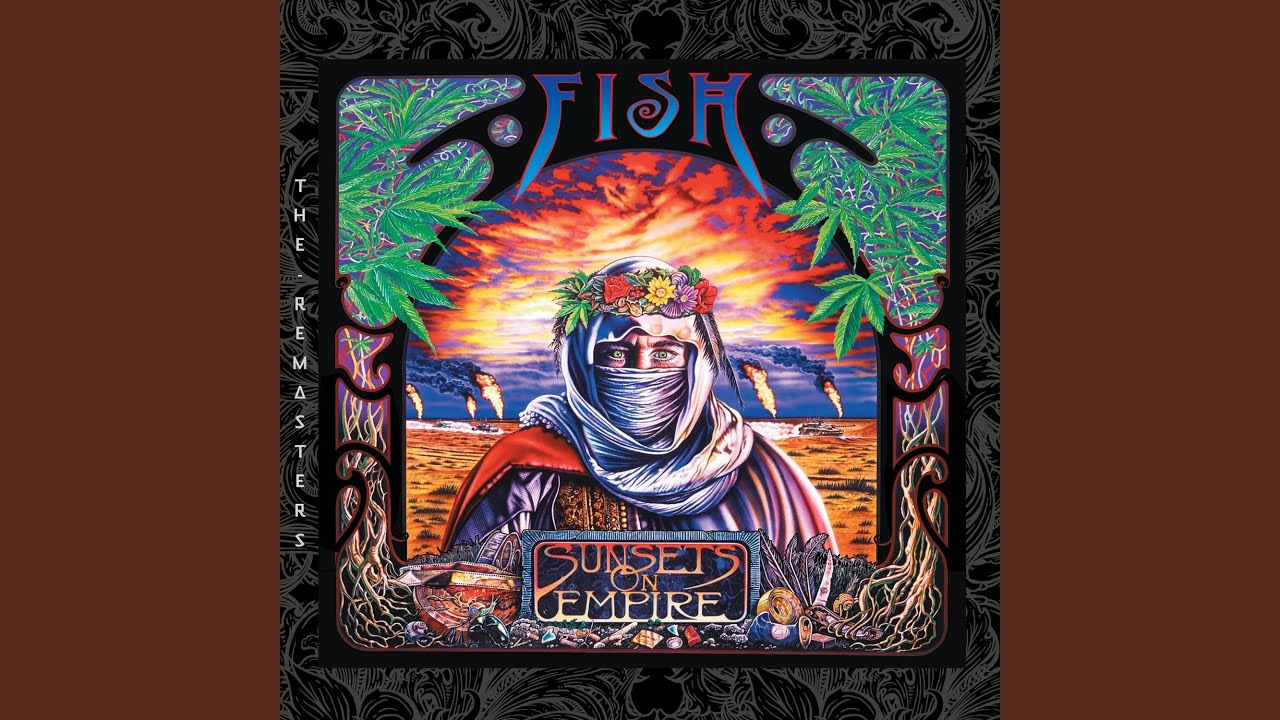
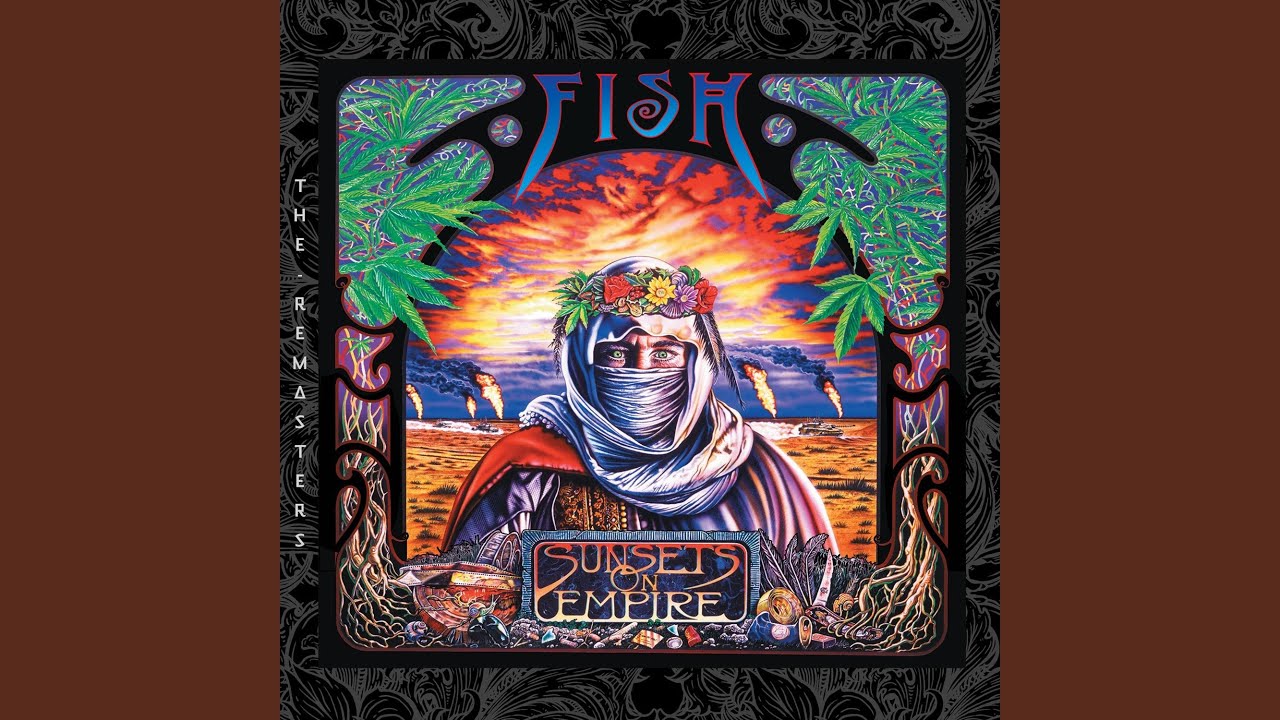
History backs up his decision. The resulting 1997 LP, Sunsets On Empire – complete with guitars, keyboards and loops by Wilson, who co-wrote six of the songs – remains among Fish’s best-loved solo sets. But Prog can’t imagine all of it being as well-received in today’s cultural climate.
Touring further afield after Suits – including an eye-opening visit to war-torn Bosnia in 1996 – had inspired pointedly polemical lyrics such as lead single Brother 52 and opening track The Perception Of Johnny Punter, which begins with a string of racial epithets that evoke the hatred and intolerance being stirred up across the globe.
It would surely trigger an almighty trollstorm if it was written now and, inevitably, taken out of context. “I’m a fan of [controversial 60s American comedian and social commentarist] Lenny Bruce,” Fish explains. “It was inspired by one of his stage performances, where he racially insults everyone in his audience. He’s trying to say, ‘They’re words, and the more you use them the more you disempower them.’”
Whether or not everyone agrees with that perspective, Fish’s investment in Sunsets ensured a rich production with mastering in the US by Bob Ludwig.
“It was a brilliant-sounding album, and I’d got a chance for a release in America. The world was my oyster again, for a moment… until I opened it up and found out there was a turd inside it! We ran out of money, basically.”
Within a few years he’d be £900,000 in debt – but his story was far from over.

