




“We didn’t really fit with anyone until New Romantic came along,” says Richard Barbieri of Japan, the synth-powered art-rock pioneers who shone briefly but brightly from 1974 to 1982. The future Porcupine Tree keyboardist secured musical immortality – alongside vocalist David Sylvian, bassist Mick Karn, drummer Steve Jansen and guitarist Rob Dean – over a run of five albums, peaking with 1981’s Tin Drum.
“By the time we got to Tin Drum we were very into world music,” Barbieri says. “It was a combination of that with electronics, and a bit of Stockhausen thrown in. That’s when we got into sampling, and we were listening to things like David Byrne and Brian Eno’s My Life In The Bush Of Ghosts.“
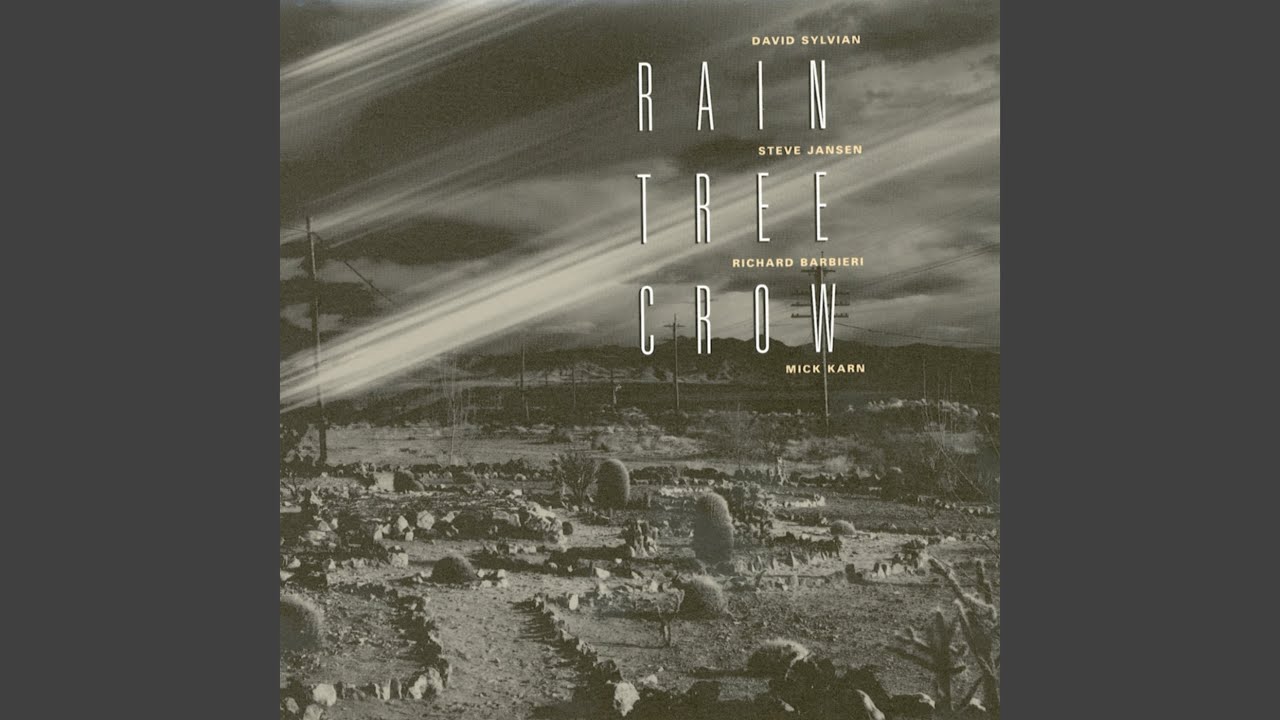
Despite the promise of more greatness to follow, Japan split up after that fifth release. They returned at the end of the decade as Rain Tree Crow, launching an LP of that name in 1991 – but soon the problems that had arisen earlier returned to haunt them, as Barbieri tells Prog.
How did becoming popular affect Japan?
Band dynamics are always good when times are hard and you’re chasing something. That’s when you have the most fun and you’re best of friends. When you start to achieve things, the landscape shifts.
People become a little bit different; when you end up making a kind-of important work that’s usually when it starts to fail. Egos get a little bit out of control. I’d be wondering why someone was flattering me – what did they want?
However, I still see Steve Jansen all the time. We’re best buddies. We love making music and don’t rise above each other. We loved the band; we didn’t want it to stop. But there was an issue between Mick and David, and we couldn’t get past that.
Japan split in 1982 and in 1989 you reunited as Rain Tree Crow. What was different this time?
David was ready to make music with us again. He wanted to get away from the past, so he firmly said no to being called Japan again. We thought we’d go into the studio and improvise; see if we still had this chemistry.
We had great fun making the album, which was mostly done at residential studios. I liked that because you could work at any hour of the day and try ideas when you wanted. We got a much more organic sound that reminded me a little bit of Talk Talk – not as good, but it’s in that pocket.

Rain Tree Crow is a slightly flawed album with some amazing stuff on there, and I think it was a real achievement. But as things got near to the end, the same problems surfaced from he Japan days – David’s need for control and to stamp his authority.
Virgin were offering us more money and more involvement with mixing if we called ourselves Japan. David wouldn’t do that. That meant the rest of us weren’t allowed to be part of the mixing, so things went a bit off between us all.
You formed Medium Productions in 1993 with Steve Jansen and the late Mick Karn. Mick was a complex man, wasn’t he?
It was difficult having Mick as a friend. He was such a character and brought so much to a friendship. But everyone thought he was their best friend: Gary Numan, Midge Ure, Jakko Jakszyk, Peter Murphy… they loved him, and then suddenly he’s not calling any more.
He had a dark side, and in his book [Japan & Self Existence, 2009] he goes into that. He’s the most talented person I’ve ever known. As well as playing bass he could play woodwind and saxophone. He was a great cook and a great gardener. He was a sculptor; he could paint.
He would let you down because he wasn’t stable, but he was very forgivable. I miss him – but I feel more sorry for Steve because he was Steve’s best friend.
Musically, how do you work with Steve?
I’m probably more kind of spontaneous and a bit more emotionally driven, and Steve is a lot more cerebral and tasteful. He has a plan, a way of doing things, and it always sounds lovely. We haven’t made music together for a long time – we seem to spend more time playing snooker!

