


As a founding member of Gryphon, percussionist and vocalist Dave Oberlé helping bring quirkiness and curiosity to the band’s musical output. Inspired by medieval and renaissance music, jazz, rock, and folk, he’s remained a constant within the band alongside multi-instrumentalist and vocalist Brian Gulland. He’s also guested on albums by Steve Howe, Gandalf’s Fist and Wire. In 2020 he told Prog about the band’s happiest moments – and grittiest realisations.
How did Gryphon develop their unusual sound?
Brian Gulland and Richard Harvey were studying at the Royal College Of Music in London. They had an interest in folk, medieval and renaissance music. Graeme Taylor joined them two or three months later, and they got me involved a short time after that. We had no plan – the sound just happened. You could do that sort of thing in the early 70s. We began as a folk band, playing all the usual bars and venues on that circuit. The Gryphon album was mostly made up of folk songs and medieval dances. Juniper Suite was the sole original band composition. That set us off on the path we took.
Do you feel your albums in the 70s captured what the band were about?
The wonderful thing is that we never recorded an album that sounded like its predecessor. Midnight Mushrumps [1974] didn’t sound like the debut, and Red Queen To Gryphon Three [also 1974] was nothing like the first two. We set out to make every album totally different. I believe that was part of our appeal: the ability to make our records self- contained, as it were. Yes, you did run the risk of losing some fansalong the way, but you also gained new ones.

You toured the USA with Yes. Was that a career highlight?
Absolutely! We went from playing 1,500-capacity venues to performing in the biggest stadia around before 40,000 fans or more. It was definitely career-changing. We were promoting Red Queen To Gryphon Three at the time, and it got a really good reception. I think the biggest show we did on that tour was the Houston Astrodome [on December 2, 1974]. Yes headlined, with the Mahavishnu Orchestra second and us as the openers. But the greatest thrill was doing Madison Square Garden [on November 20]. There was a neon sign flashing across the venue which said, ‘New York Welcomes Gryphon’ – I recall thinking, ‘We’ve made it!’
We did a lot of dates on that tour in a very short space time. And sometimes it would involve travelling a few hundred miles overnight to the next city. It was exhausting but worthwhile.
Why did Gryphon split up in 1977?
To some extent it was down to punk coming along. That was such a game-changer for us. People no longer wanted to see a band all dressed up and with a big light show – all they wanted were four blokes onstage with one light bulb.

But you’d just signed a new deal with the Harvest label.
That wasn’t a good period for us. We were managed by Brian Lane, who also represented Yes, and we were under a lot of pressure to become more commercial, which wasn’t our style at all.
Mike Thorne was the producer for the Treason album. not only did he also produce the Sex Pistols but also effectively discovered them. We could see there was an imbalance between what we were doing and what the Pistols were up to. That hammered home that our time was up.
Looking back, if we’d started two or three years earlier, the band may have established itself more and been able to ride out the storm the way Yes, Jethro Tull and Genesis all managed. We were just a little too late to the party.
What prompted the one-off Gryphon reunion in London in 2009?
At the time we had a Gryphon homepage on the internet – our only online media outlet. we were amazed to find it got more than 200,000 hits; we had no idea the band were so popular still. So, as there was never the chance to do a farewell gig in 1977, it was felt we should get back together and see how it went.
We’d booked the Queen Elizabeth Hall, and immediately wondered if it was a bad mistake – would anyone actually buy a ticket to see Gryphon? To our delight we sold out the venue. But we had to work very hard to make sure the band were up to the task.
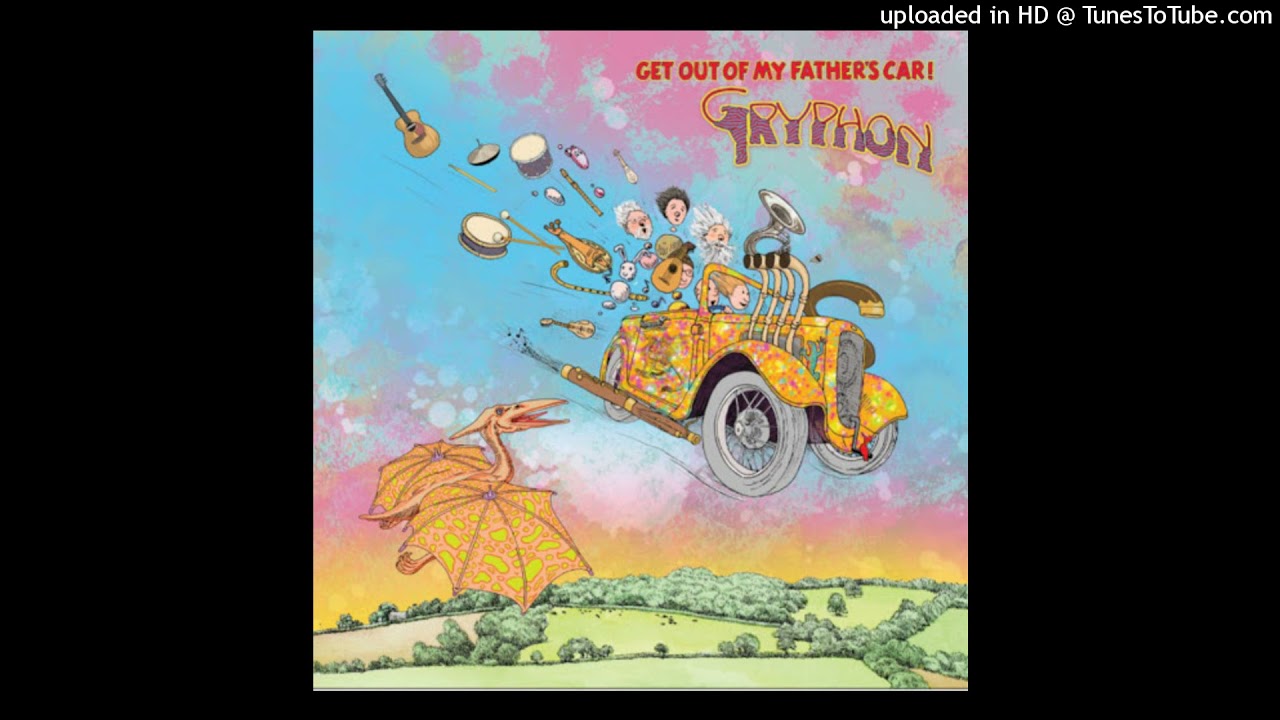
Why didn’t it go any further at the time?
The simple answer is that none of us had the time to do a full-blown reunion and to record an album.
Gryphon properly reformed in 2015. How did that happen?
We were all suddenly available. All of us had been talking anyway, so as soon as the opportunity arose to do it again, everyone was in complete agreement.
You have a global fanbase. Why do you think you appeal to so many different nationalities?
Because we’re mainly an instrumental band – that means there are no language barriers.
What would you say is Gryphon’s biggest achievement?
The fact we’ve been able to make every album different and individual. A lot of bands were bigger than us, but few can claim to have such a diverse catalogue of music. When I look back at that alone, I know it’s all been worthwhile.

