Opeth leader Mikael Åkerfeldt has been a champion of 70s prog masters since he discovered the genre while playing in Swedish metal bands two decades later. In 2012 he told Prog how he’d discovered Jethro Tull, Genesis, Wishbone Ash, Camel and others – despite his friends’ bemusement.
As frontman, guitarist and chief composer with Opeth, Mikael Åkerfeldt is at the forefront of the modern prog scene. He’s also done far more than most to propagate the notion that the great progressive rock bands of the 70s – and, indeed, the 80s and 90s – imparted a profound credo of artistic freedom and sonic distinction that stands to this day.
“I’ve always been a collector at heart,” Åkerfeldt says. “I collected Star Wars figures when I was a kid; I collected anything. It was just in my blood. I discovered some of the original wave of prog bands through my record collecting in the early 90s. I was working at a guitar store at the time.
“I was compensating for not being able to buy records – when I was a kid I’d been piss poor. You got one record for Christmas, one for your birthday and maybe one for Easter. But now I had a job and some money!
“I’d never liked CDs; I was into vinyl. There were a lot of great record stores in Stockholm where you could pick up a lot of records for about three pounds each. I was looking at the pictures on the sleeves, looking for bands that looked like Black Sabbath, basically!
“If they had the flares and beards and the record was from 1971 or 1972, that was what I wanted. I found a record by Yes and thought it looked cool, and then Genesis and King Crimson and so on, records that looked odd and I could afford. That was where it all started.”
His adolescent friends – most of whom were also active in the Stockholm death metal scene of the early 90s – were still firmly entrenched in the pitch-black aesthetic of their scene. But Åkerfeldt clearly felt an instant and instinctive kinship with the more colourful and musically explorative world of progressive rock.
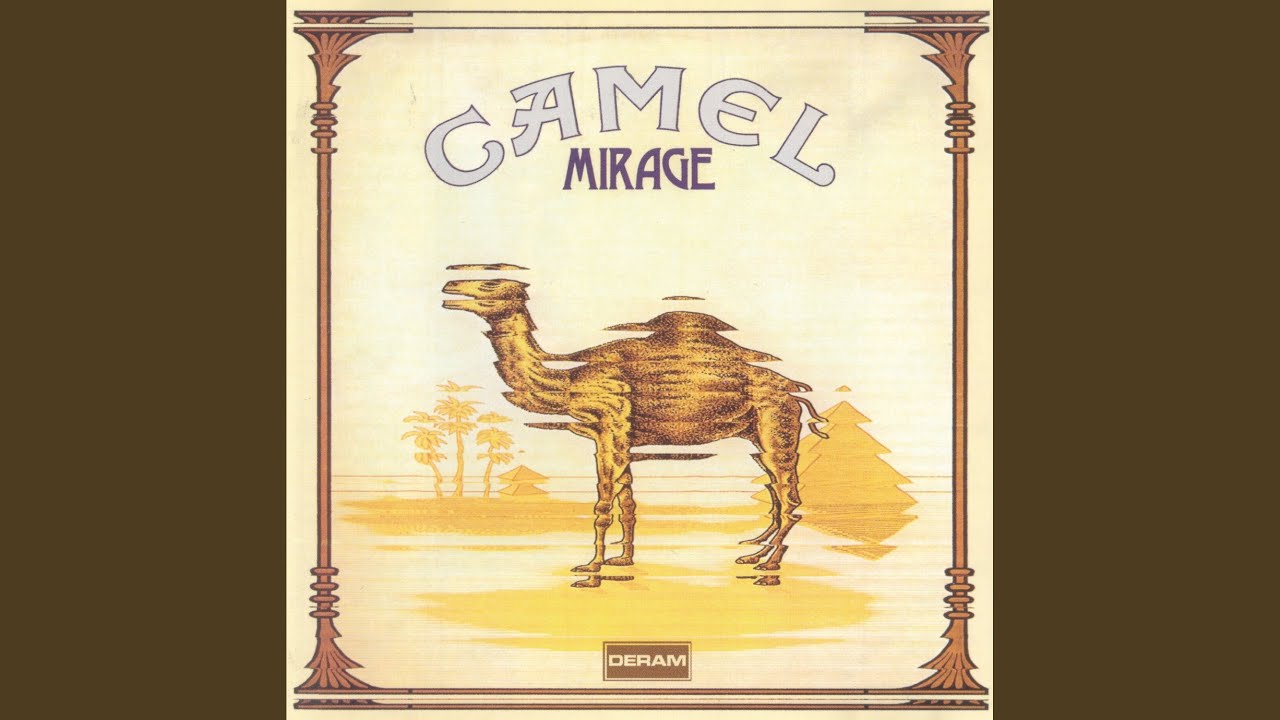
“I’d buy some records and go back to the guitar store, which was run by this guy who was around 60 and another guy the same age. They’d see what I picked up and be like, ‘That’s a really cool record! I saw them in ’72!’ They gave me loads of recommendations – like, ‘Have you heard Camel? You’d love them!’ So I’d pick up Camel records on my next lunch break. I became a fan of that type of music and it really helped my own band to progress.
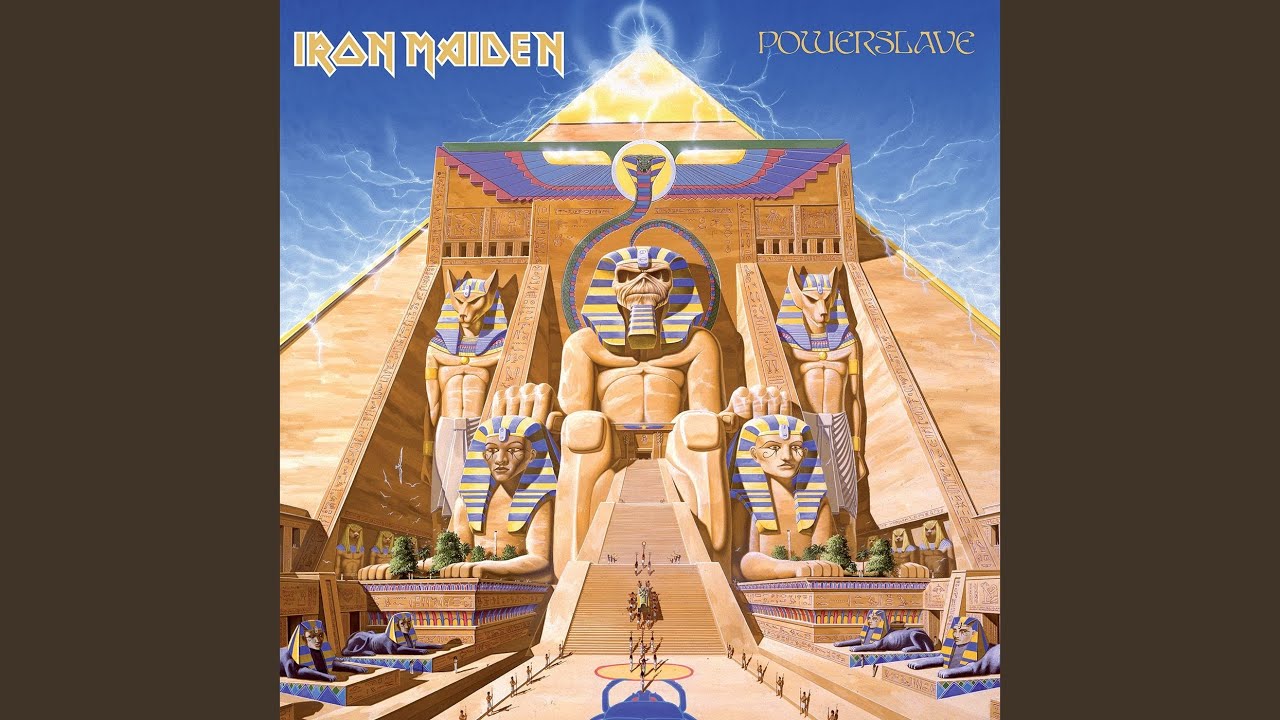
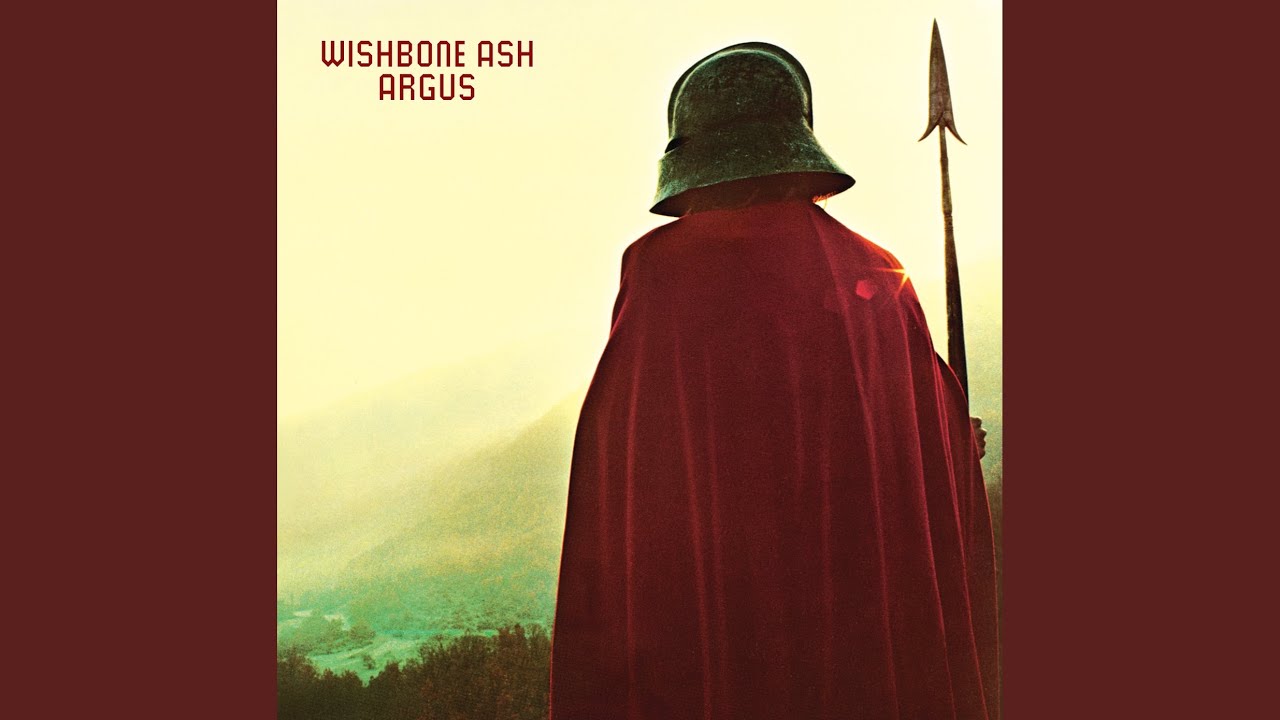
“I played in a death metal band and I was influenced by Iron Maiden and things like that. Little did I know that Maiden were fans of Wishbone Ash and Jethro Tull – but when I picked up Argus by Wishbone Ash, I thought, ‘Wow! Maiden must have listened to this a lot!’ I thought it was really cool to be one of the first to bring these ‘obscure’ bands back!”
Opeth proudly remained part of the 90s Swedish death metal scene; but Åkerfeldt cut a somewhat peculiar figure as his fascination with prog began to supersede his interest in more brutal sounds – much to the bemusement of his closest friends.
“Oh god, they hated it!” he laughs. “They weren’t into the prog thing at all. I got out of the extreme metal scene. When the black metal thing started happening, I thought it all turned shit, to be honest. I got into progressive rock and it made me look a bit odd.
“I was still playing in a death metal band; I was filling in for Katatonia and we played shows with Dissection and all the black metal bands – and I was wearing flares and had an old Gibson SG! I didn’t look right in those surroundings. But we all still hung out.”
As a guitar player and as a songwriter, prog enabled me to feel it was okay not to stick to one genre
He reflects: “I was always very promiscuous when it came to my relationship with different genres. I fucked around a lot! I felt awkward trying to stick to one specific genre, which is what you were supposed to do in a metal band. It wasn’t particularly cool to be all over the place.
“I always liked long songs too! My favourite Maiden song was Rime Of The Ancient Mariner. Both as a guitar player and as a songwriter, prog enabled me to feel it was okay not to stick to one genre. It was more interesting to mix it up a little bit, which is what we started to do in Opeth around that time.
“I always liked that warm production that they had in the 70s, as opposed to the big 80s metal productions. Through listening to progressive rock, I also developed an interest in listening to other types of music like jazz and fusion and all that. I could hear all that in some of these bands – like, ‘Ah, that’s like Miles Davis!’ or whatever. It really helped me develop my music taste.”