


Ever since Anthony Phillips left Genesis in 1970, he’s been viewed by some as an also-ran in prog history – but that view is wrong. After facing illness, heartbreak and stage fright, all of which contributed to his departure, he rebuilt his musical career and became the creator of many cross-genre albums, along with gaining a reputation as a leading light in production music. In 2024 he looked back with Prog. Here we take up his story just as Anon, his band with Mike Rutherford, had played a riotous gig at Charterhouse school alongside The Garden Wall, featuring fellow pupils Peter Gabriel and Tony Banks.
Everything changed after that – the two groups eventually coalesced and the genesis of Genesis was in the air.
We made a demo where I wrote all the crap songs and Pete and Tony wrote the good ones. Pete only came along at Tony’s insistence. I didn’t know Pete could sing – he’d just lent us his drums at the time. We ended up signing to Decca!
And that didn’t particularly work out…
It’s a good thing it wasn’t successful, or we’d have never developed our distinctive style. One day, I heard this golden sound of a 12-string coming from the glade at Charterhouse. That was it – I had to get a 12-string, and I started writing in a different way.
On the one hand, we were writing unoriginal blues stuff like Going Out To Get You, and on the other we had this experimentation that we didn’t really recognise; we were just mucking around thinking it was rather lovely.
It’s only in retrospect I realised we weren’t really influenced by anybody else. I suppose the closest thing was the interplay between Simon Nicol and Richard Thompson in Fairport, but they were very much six-string, a little bit more folky. Whereas we were into weird chords.
The summer of 1969 was tumultuous for you, was it not?
I’d been dumped by Lucy Burge, the love of my life. We’d recorded From Genesis To Revelation, and Jonathan King had mixed the backing track to mono and added the strings. It was released in March – and the whole thing sounded limp. It seemed my whole world had come to an end.
Being run down causes illness, and I contracted glandular fever quite badly, but I managed to work hard and get decent A-Levels. Genesis didn’t really know what to do; whether to go on.

You then decamped to Christmas Cottage in Dorking and spent the rest of 1969 rehearsing and writing.
We worked so hard and it paid off – but we sort of frayed at the edges.
To be in that cottage during the same period as In The Court Of The Crimson King and Monty Python must have been incredible.
The impact of Crimson, especially on us, was huge in terms of sonics and how it was planned out. I later worked with Mike Giles, and he told me how the music was all planned before they recorded it. They went to America too soon, and that was it. We were rehearsing the day of their Hyde Park concert and missed it.
Peter Gabriel often seemed isolated during rehearsals, didn’t he?
I always felt a bit sorry for Pete; we would gang up on him. He would have this incredible perception all the time. It was almost too much – one in three ideas would be really good, but they wouldn’t stop coming. When we were ganging up against Pete, Tony was at the forefront.
If we’d not had two 12-strings, would Peter ever have started telling all those stories?
That pecking order was a famous thing in Genesis, wasn’t it?
Tony was always friendly with me. But in a competitive situation, it was the only time I’d ever seen him anything other than friendly. He’s terribly competitive. Mike told me once they were playing tennis, and said the vibes coming from the other side of the net were so bad that he just gave the game away.
They say Paul McCartney was replaced with Billy Shears – I sometimes think that Peter was replaced as well. He used to sit there like an old woman, and then explode into this psychedelic thing. Because of two 12-strings trying to keep retuning that took forever onstage, Pete was forced to do something, and so he started slipping into this persona, which wasn’t the shy, sweet, slightly inarticulate Pete – he switched into this messianic character looking into the far distance. If we’d not had two 12-strings, would he ever have started telling all those stories? We’ll never know…
You played with some incredible people in your short time on tour with Genesis.
I would love to be able to tell you about meeting Nick Drake or David Bowie... we just passed backstage at best. Mott The Hoople were incredibly supportive, though. Ginger Baker wasn’t very pleasant.
Your departure was a momentous time for the group – the only time they truly came close to throwing in the towel.
I asked for a poster in a music shop. They put ‘Ex-Genesis’ and people thought it said ‘Ex-Genius’
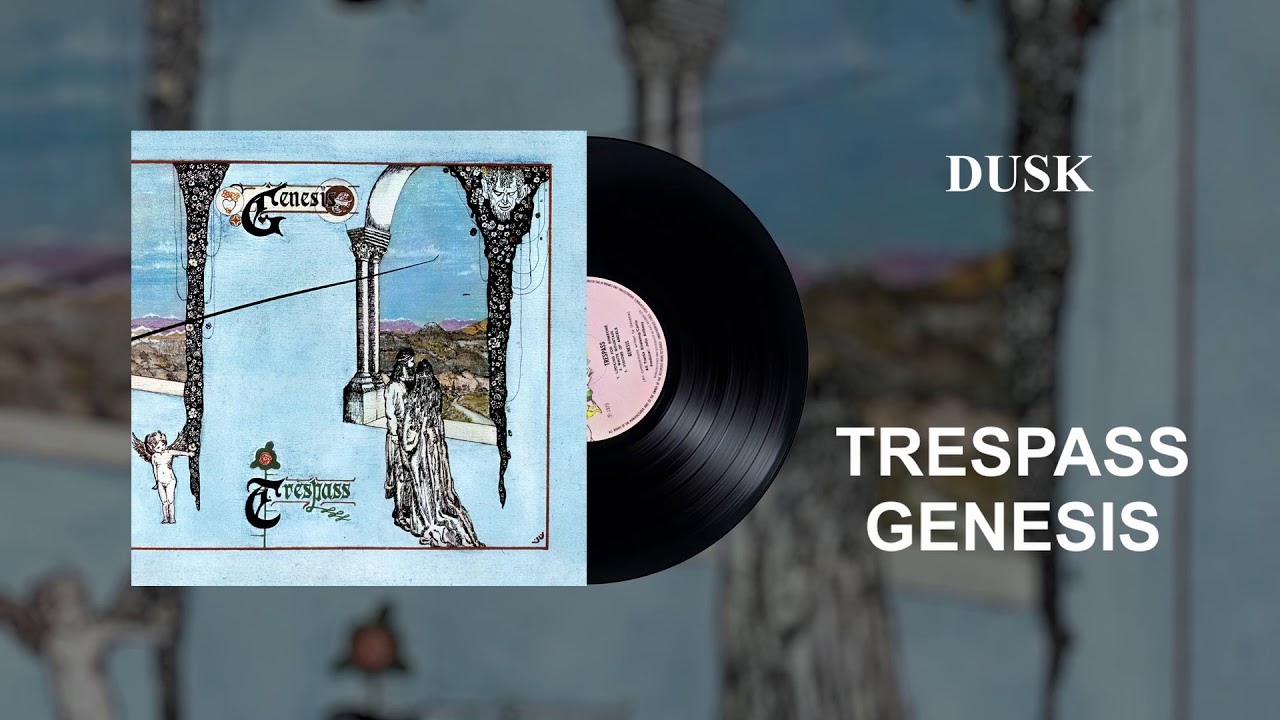
Glandular fever had been awful. I was incredibly ill. But we were young and kept driving forward. I then got bronchial pneumonia, took a couple of weeks off, came back and recorded Trespass, and went back on the road. When it came to solos, I was turning down – I’d just lost my nerve. I was basically, fundamentally scared. I was also being advised by medical people to leave. We were dossing down on floors. Glandular fever can affect your nervous system. I can’t be sure, but I think the two were linked.
What happened during the seven years when nothing was officially released?
I was a lost soul after I left the group. I had a place at Kent University to read philosophy. I remember they sent me a Bertrand Russell book – my idea of philosophy was sitting smoking joints and discussing life; then suddenly there’s all this scientific stuff. I’m a stranger to science. I panicked and switched to history.
My nervous system had taken such a caning, in a sense, I was having a quasi-nervous breakdown. The idea of going to university seemed completely terrifying.
You went back to music school?
I deferred university for a year, and then I heard Sibelius for the first time, and that opened a new world for me. I knew that I had to read music. I had to catch up on stuff that other people would have done at the age of 13. I studied part-time at Guildhall [School Of Music And Drama in London], studying harmony, counterpoint and orchestration.
And teaching followed?
I started teaching classical guitar from 1972 onwards. I asked for a poster to be put up in a music shop, and they put ‘Ex-Genesis’ and people thought it said ‘Ex-Genius’! I taught at Peper Harow [a therapeutic community for troubled adolescents in Godalming] from 1975.
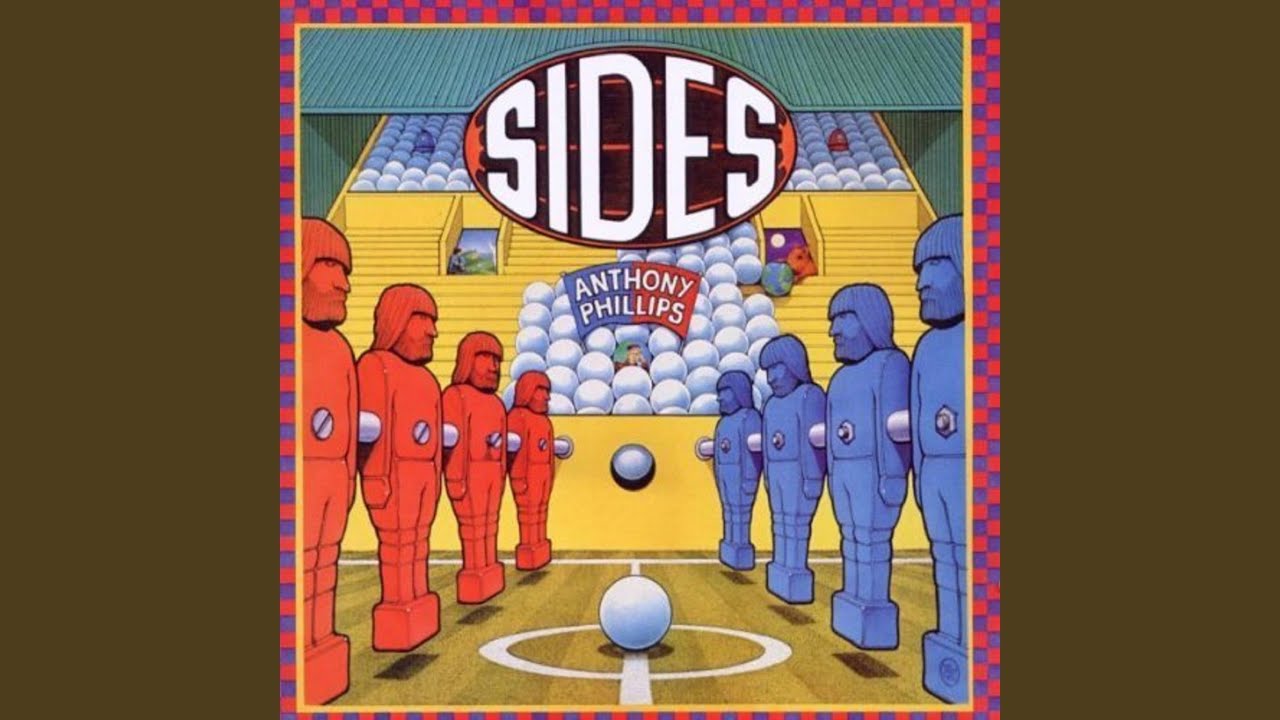
I was also teaching at Reed’s School in Cobham. I was still teaching one day a week at Peper Harow as late as the recording of Sides [in 1979]. I was teaching the day Ray Cooper came in and did his overdubs. I’ve still never met him!
![Anthony Phillips - Diamond Meadows [Live Session] - YouTube](https://img.youtube.com/vi/lHIDI_Q0AFE/maxresdefault.jpg)

