Nine Levellers albums you should listen to and one to avoid

Levellers in 1995
Levellers in 1995: L-R Simon Friend, Jonathan Sevink, Mark Chadwick, Charlie Heather, Jeremy Cunningham (Image credit: Martyn Goodacre/Getty Images)

At the height of grunge - and the nascent Britpop scene – of the early 1990s, Levellers were the whipping boys of both the priggish weekly music press and pious anarcho-punk underground. The former, critical of success in which they didn’t have a hand, dubbed them ‘crusty’, the latter refused to have any truck with those perceived to be co-opting their scene for major-label commerce.

Formed in 1988 by vocalist/guitarist Mark Chadwick and bassist Jeremy Cunningham, Levellers grew out of Brighton’s punk squat scene. Named after the 17th-century political movement that campaigned for rule by the people and equal rights, the band were synonymous with the late-80s/early-90s free-festival milieu, the traveller community and associated counterculture.

Cunningham and Chadwick added drummer Charlie Heather and fiddle player Jon Sevink. Guitar and mandolin player Simon Friend chose Levellers over New Model Army, completing the line-up for Levelling The Land onwards. Consecutive gold-certified albums followed throughout the 90s.

Latest Videos From Louder

Levellers were influenced by the punk of The Clash, the ideology and DIY ethics of Crass and Zounds, the folk/punk of The Pogues and the folk rock of The Waterboys, but perhaps most closely by cult Brighton folkpunk band McDermott’s Two Hours.

Levellers’ profile exploded – from their relentless touring as much as record sales. First stepping outside of the local scene and then the student circuit, they eventually headlined Glastonbury 1994, playing to a then record-breaking audience of 300,000.

Reinvesting back into their scene and community, they bought disused Brighton factory the Metway for use as a co-operative recording studio and space for local musicians and artists. Philanthropic, they donated to charities and campaigned against the Criminal Justice Bill. In 2003 they established the anti-sponsorship and anti-branding annual festival Beautiful Days.

Negotiating the pressures of initial rapid success, the resilient family-like band have stuck it out for almost 40 years. Sometimes mistakenly written off as a 90s band, recent albums demonstrate not just a return to form but also masterly songwriting. Total record sales have now reached six million.

"I identify with the Levellers," said fellow British folk artist Billy Bragg in the 2014 Levellers documentary film A Curious Life. "I feel we carry on a tradition of music that says something and means something."

Lightning bolt page divider

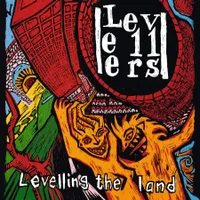
Levelling The Land (China, 1991)

Levelling The Land (China, 1991)

Front-loaded with future folk rock anthems, their second album opens with the ultimate Levellers signature tune, One Way. With its fiddle lead, psych guitar and Madchester-inspired rhythm section, it demonstrated how the band forged their own sound.

Quickly reaching gold status, six months after its release, even the NME was forced to put the band on the cover for the first time. That coincided with the third single (later added to 1992 pressings), the heroic Fifteen Years. Raucous rabble-rousers Liberty Song and The Riverflow were built for gigs. It closes with the dark protest of Simon Friend’s Battle Of The Beanfield.

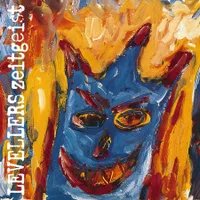
Zeitgeist (China, 1995)

Zeitgeist (China, 1995)

A veritable revival of fortunes following 1993’s Levellers, Zeitgeist was the band’s commercial peak – their sole UK No.1 album. More accessible with its radio-friendly pop-rock, Hope Street features blatant Led Zeppelin-inspired riffs and melodies on both guitar and mandolin, tied to a Shane MacGowan-esque lyric portraying destitute and displaced nobodies.

It was one of their highest-charting singles, as was a re-recorded/expanded Just The One with Levs hero Joe Strummer guesting on piano. Fist-pumping riff-heavy tracks The Fear and Fantasy (with its Police On My Back-style riff), plus the stirring spiritualism of Menan-Tol, remain setlist regulars.

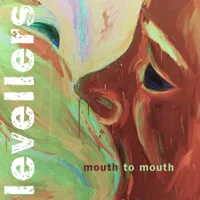
Mouth To Mouth (China, 1997)

Mouth To Mouth (China, 1997)

Building on the success of Zeitgeist, this fifth album features some of Levellers’ best-known, most loved and greatest compositions. But timing is everything: the unfortunately titled album was released just six days before Princess Diana’s death. Then, perhaps inevitably, sunny and uplifting lead-off single What A Beautiful Day disappeared from radio playlists overnight.

Undeterred, two months later the band released a follow-up single, a pedal-steel guitar love ballad featuring Eddie Reader on backing vocals. Title: Celebrate. It sank without trace. Funny, that. Still, Mouth To Mouth remains an underrated gem.

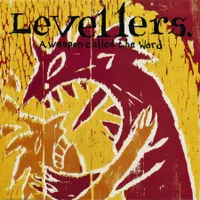
A Weapon Called The Word (Musidisc, 1990)

A Weapon Called The Word (Musidisc, 1990)

With its themes of social injustice countered with uplifting messages of solidarity, their debut tapped into a disillusioned generation left behind by the preceding decade of Thatcherism.

Chapman’s gravelly vocals and lilting folk-rock melodies established the band’s gestating folk-rock musicianship. Jig-ready fan favourites like England My Home and World Freakshow demonstrate the early-career Waterboys influence (album producer Phil Tennant previously engineered Fisherman’s Blues). Despite never charting, AWCTW was eventually certified gold.

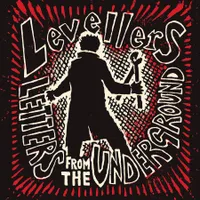
Letters From The Underground (On The Fiddle, 2008)

Letters From The Underground (On The Fiddle, 2008)

If you haven’t heard Levellers since the 90s, then start here. Following 2005’s disappointing Truth & Lies, Letters From The Underground sees the band refocused with a heightened, urgent, fiery and stripped-back sound.

Confrontational and contemplative with an array of styles. Americana country and Celtic-influenced folk clashes with rock, most notably on A Life Less Ordinary and Burn America Burn, the latter addressing US school shootings. The ruminative Before The End and raw bluesy rockers like Pale Rider and Fight Or Flight emphasise the diverse yet cohesive whole.

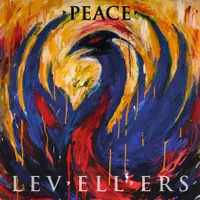
Peace (On The Fiddle, 2020)

Peace (On The Fiddle, 2020)

Sandwiched in between two ‘Levellers Collective’ albums (reworkings of old tracks, and covers with guest musicians), Peace is a Levellers modern classic, and their first UK top 10 album since Mouth To Mouth over two decades earlier.

Protest song subjects are updated for the 2020s: Generation Fear tackles millennium anxiety and digital overload. Friend sings on Four Boys Lost – the sorrowful story of tragic losses at sea – and duets with Chadwick on the stirring nostalgia of Albion & Phoenix. The uplifting anthemic clatter of Our Future brings light to the shade, closing out the consummate late-career songcraft.

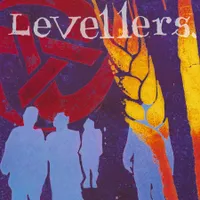
Levellers (China, 1993)

Levellers (China, 1993)

Hugely anticipated following the success of Levelling The Land meant that this self-titled third album quickly sold big advance numbers, entering the UK chart at No.2. But with the band burnt out by 24 months of relentless touring on the back of Levelling, it’s a mixed bag but still an admirable record. Cunningham later described it as “the difficult third album”.

The disparate styles divided opinion – apart from ballad Julie. The acid rave-influenced psych-rock of This Garden is at odds with the pop-rock of Belaruse. In fact, the most ‘traditional’ Levellers track, Dirty Davey, is a cover of a folk-punk belter written by their mentors, McDermott’s Two Hours.

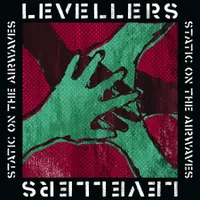
Static On The Airwaves (On The Fiddle, 2012)

Static On The Airwaves (On The Fiddle, 2012)

A strong follow-up to Letters From The Underground that’s beset with dark melancholy, despairing at the distraction of celebrity culture while civil liberties are quietly eroded without protest – illustrated by the album title and sleeve artwork.

That theme is conveyed in the claustrophobic dark of We Are All Gunmen. After The Hurricane laments missed carpe diem opportunities, and the acoustic, frantic, fiddle-led Forgotten Town decries the loss of community in favour of retail commerce. The highlight is its most personal track: Simon Friend’s devastatingly poignant and affecting ode Alone In This Darkness. Grown men will cry.

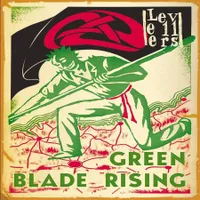
Green Blade Rising (Eagle, 2002)

Green Blade Rising (Eagle, 2002)

Album seven added sixth official Leveller Matt Savage on keyboards. After the millennium bug of Hello Pig, the band returned to their signature sound, but with a more mature, reflective vibe.

GBR’s environmental theme is conveyed with brooding melancholia, except for the incongruous Wonder Stuff-lite Wild As Angels with its grating vocables. Atmospheric opener Four Winds is a hair-pricking slow burn featuring Friend’s chord progressions and Chadwick’s phrasing reminiscent of classic Waterboys. Pretty Target and Aspects Of Spirit hark back to early 90s Levs, and Pour is an enjoyable lilting melodic ballad.

...and one to avoid

You can trust Louder Our experienced team has worked for some of the biggest brands in music. From testing headphones to reviewing albums, our experts aim to create reviews you can trust. Find out more about how we review.
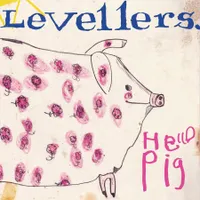
Hello Pig (China, 2000)

Hello Pig (China, 2000)

The band’s first hits compilation of 1998 was a commercial success, but also a career waymarker in terms of bookending Levellers’ first decade. As such, they explored new ground on their sixth album.

Despite its ambitious nature and the odd exception to the rule like the accomplished acoustic and orchestral arrangement of Edge Of The World, Hello Pig was not well received by the Levellers faithful. Inspired by late-career Beatles experimentation, its pseudo-psychedelia comes across more like that mercifully brief yet terrible mid-80s jazz-soul fad, later categorised with the awful but deserving neologism of ‘sophisti-pop’.

Alex Burrows

A regular contributor to Louder/Classic Rock and The Quietus, Burrows began his career in 1979 with a joke published in Whizzer & Chips. In the early 1990s he self-published a punk/comics zine, then later worked for Cycling Plus, Redline, MXUK, MP3, Computer Music, Metal Hammer and Classic Rock magazines. He co-wrote Anarchy In the UK: The Stories Behind the Anthems of Punk with the late, great Steven Wells and adapted gothic era literature into graphic novels. He also had a joke published in Viz. He currently works in creative solutions, lives in rural Oxfordshire and plays the drums badly.