

Marillion’s 1994 concept album Brave was to become a landmark in the band’s career. Amid the challenges of pulling together a story inspired by an unidentified girl on a bridge, the band themselves at odds with their record label, each other – and ultimately many of their fans.
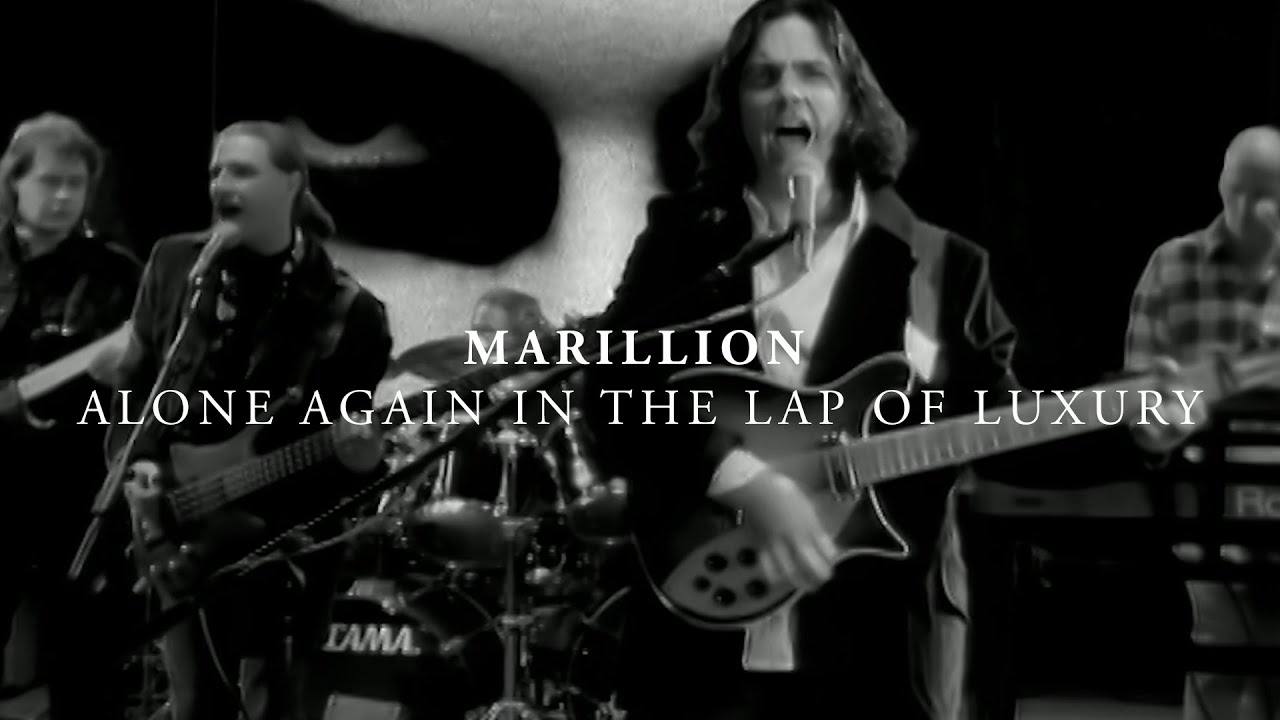
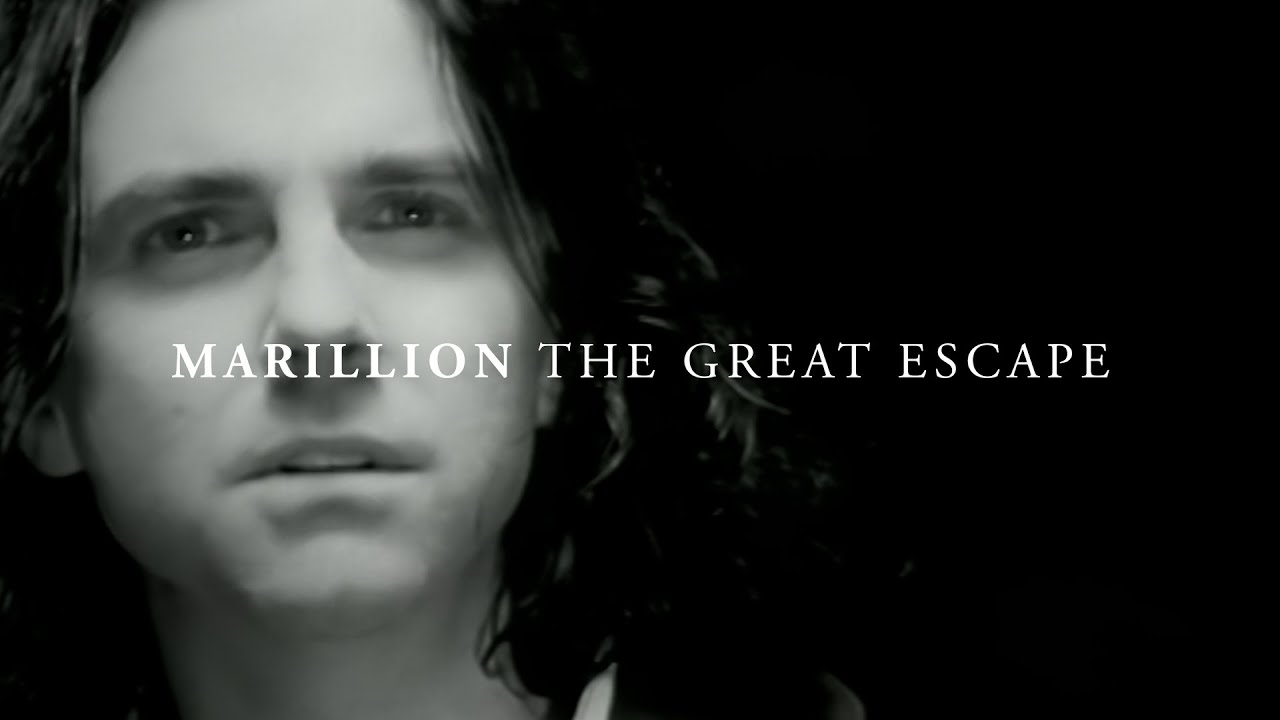
In the end, their seventh studio record set them on the course they’re still on today. But out of the many problems they encountered, one of the most notable is the ambition and complete failure of their Brave movie, from which the videos for The Great Escape, Hollow Man and Alone Again In The Lap Of Luxury were taken.
The result was so disappointing that its director later disassociated himself from it. Marillion looked back with Prog in 2018.
If spending several months recording an album in a French chateau wasn’t grand enough, Marillion decided to push the boat out even further by producing a full-length film to accompany Brave.
“We’d made three videos for the singles from Holidays In Eden, all of which cost 30 or 40 grand each,” says keyboardist Mark Kelly. “We thought, ‘Why don’t we just take that money to make a movie?’ We had a story we thought would be good to tell. We’d all seen The Wall, so we knew there were examples of good rock movies out there.”
Armed with around £120,000 – “Not a lot, really,” Kelly admits – the band began scouting for potential directors. They sounded out a few, but decided to go with cult filmmaker Richard Stanley.
The South African had made his name directing videos for the likes of Public Image Ltd and flour-encrusted goths Fields Of The Nephilim. But it was his two full-length films, the 1990 sci-fi movie Hardware and 1992 horror Dust Devil, that impressed Marillion.
“He had a dark streak that suited the subject matter of Brave,” says bassist Pete Trewavas. Kelly describes Stanley as “unusual – he used to go around saying things like ‘Hot diggity dog’. Actually, he was a bit fucking weird.”
A lot of it works really well, and there’s some very interesting and disturbing imagery
Steve Rothery
The band remained hands-off during the filming process. “He had a plan in his head and we knew bits of it, and other bits we didn’t,” says Trewavas. “I think he would tell us what we thought we needed to know to get the job done. It was pretty similar to how we were treating the record company at the time, actually!”
The film starred actress Josie Ayers as the girl on the bridge. Following the broad arc of the album, it told her stories as a series of flashbacks, related as part of a psychiatry session. Marillion appeared as themselves.

But the band’s plan to use the movie as a lavish promotional tool for the album was scuppered when it got held up by the censors at the British Board Of Film Classification. “There was a lot of stuff about children being influenced by films at the time, and because it was a music video, they were particularly strict,” says Kelly.
“They weren’t even going to give it a certificate to start with – they were just going to shitcan the whole thing and not allow us to release it. In the end, they removed quite a few scenes.”
I’m not blaming Richard Stanley – the budget he had to work with was minuscule
Mark Kelly
The band have mixed feelings about it today. “A lot of it works really well, and there’s some very interesting and disturbing imagery,” says guitarist Steve Rothery. “But ultimately it was never going to have the full cinematic appeal for that budget.”
“It wasn’t a very good film, to be honest,” says Kelly. “I’m not blaming Richard Stanley, because the budget he had to work with was minuscule. It could have worked really well with him making that movie. It just didn’t.”