



In the mid to late '70s, New York was a city on its knees, close to bankruptcy, riven with violent crime, and in the grips of a drugs epidemic. Upon arriving at the city's airports in the summer of 1975, visitors were presented with a pamphlet subtitled A Survival Guide for Visitors to the City of New York, featuring a hooded skull, and the words Welcome To Fear City.
But despite the city's poverty and lawless reputation - in fact, sometimes because of it - New York remained a mecca for young artists, musicians, writers and film-makers - drawn to the metropolis by the promise of cheap rent, hedonistic night life and a vibrant underground scene. In these years, the city gave birth to hip-hop, nurtured emerging street artists such as Jean-Michel Basquiat and Keith Haring, and incubated an emerging punk rock community on it's sketchy Lower East Side, where the likes of Blondie, Ramones, Television, Patti Smith and The Breakfast Club made their name.
You can be forgiven if the final name on that list doesn't ring any bells, but you sure as hell know the band's singer, Madonna Louise Ciccone, better known to the world by just her first name.
Back then, Madonna was studying to be a dancer, and dating New York singer/songwriter Dan Gilroy, who’d formed The Breakfast Club with his guitarist brother Ed. The story goes that while Madonna’s dance career was flatlining, her boyfriend gave her some rudimentary drum lessons, and she jumped at the chance to perform in New York's dive bars and punk clubs.
"She got the bug to sing because she would be playing drums at CBGB," Gilroy explained to People magazine in 2024. “ But then she would get off the drums, I would get on the drums and she would sing a couple of songs. And there was no going back, she wanted to do it herself.”
Gilroy welcomed his girlfriend's new-found confidence and recognised her star quality, and when Madonna moved from the back of the stage to the front, The Breakfast Club's profile rose accordingly, and their relationship intensified.
“Aside from if you have a sexual one or a living situation, just being in a band with someone is very intimate," he recalled. "You get to work with each other. You exchange ideas. You have arguments about the material and then you get together and perform it and get a good reaction maybe, hopefully. Yeah, it’s exciting.”
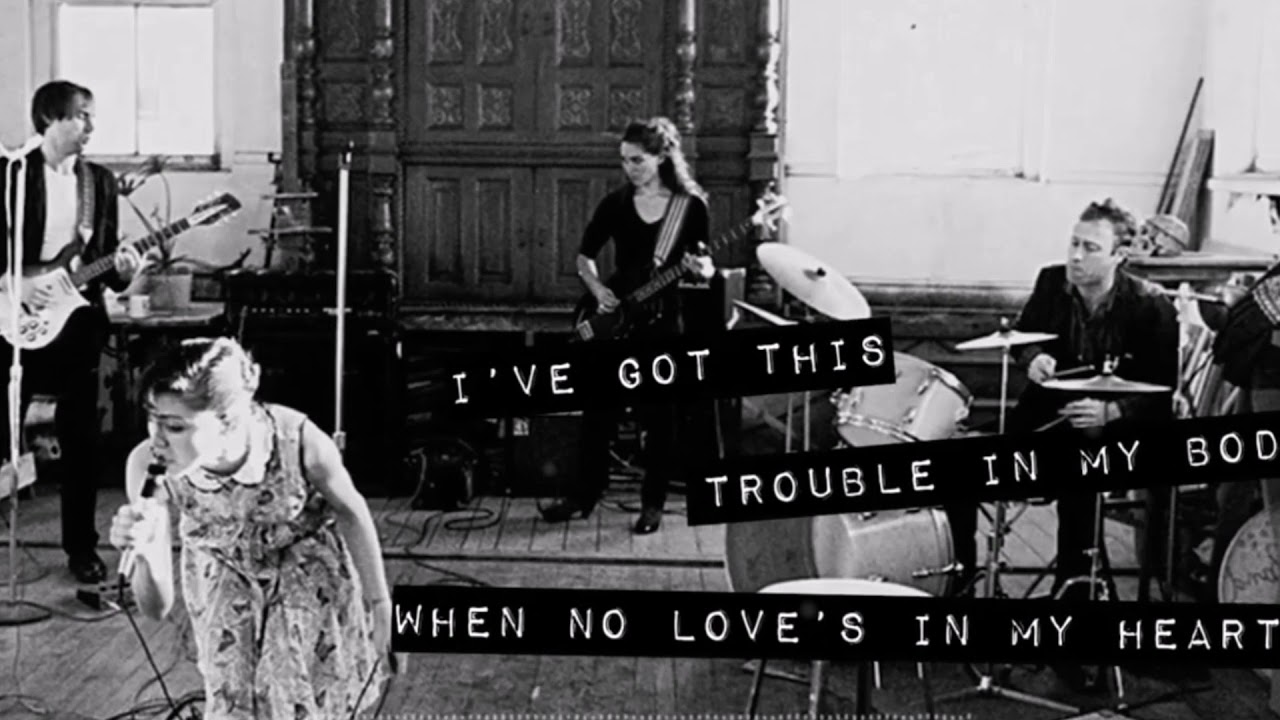
At some point in 1979 the group, with Madonna on vocals, recorded a four-track demo cassette featuring the songs Shit On The Ground (Safe Neighbourhood), Shine A Light, Little Boy and Love Express. And it’s on the first of these four - pitched somewhere between X-Ray Spex and The Go-Gos - where the young singer's raw talent is most striking, and her band are at their mot exciting.

Such was Madonna's enjoyment of fronting a band, that in 1980, she quit The Breakfast Club to form her own group, Emmy and The Emmys. According to her new bandmate and boyfriend Steve Bray. the singer had by now adopting a persona not unlike Pat Benatar, taking influence from New Wave and post-punk for their own four-track demo, featuring the songs (I Like) Love For Tender, No Time for Love, Bells Ringing and Drowning,
“She was playing really raucous rock & roll, really influenced by the Pretenders and the Police,” Bray told Rolling Stone in 2019. She used to really belt. If we’d found that right guitar player, I think that’s when things would have taken off…"
Again, fame eluded Madonna, but in 1981, she signed a deal with Gotham Records and began promoting herself as a solo artist. Her creative partnership with Steve Bray endured, however, and the pair co-wrote four songs on Madonna’s 1984 album Like A Virgin plus future hits Into The Groove, True Blue and Express Yourself. Chances are you might be a little more familiar with these songs than with Shit On The Ground.