


Less than a year after he walked out on Deep Purple, Ritchie Blackmore delivered a masterpiece with Rainbow’s second album, Rising.
On an album loaded with mighty tracks – Tarot Woman, Starstruck, A Light In The Black – the crowning glory was Stargazer, a nine-minute epic that combined Blackmore’s love of classical music with vocalist Ronnie James Dio’s vivid, fantastical lyrics.
Blackmore had largely dispensed with the musicians who had recorded the band’s debut album, Richie Blackmore’s Rainbow, retaining only singer Dio. The new line-up, featuring bassist Jimmy Bain, drummer Cozy Powell and keyboard player Tony Carey, had been broken in on a US tour. It was on that tour that they debuted several new songs, including Stargazer, before flying to Munich to begin recording the album that would become Rising.
“We’ve made a lot of progress between the first and second LPs," Blackmore told Hit Parader in 1976. “It’s kind of more representative music now, before it was just some songs that we had written and put them down as just a hobby, really.
"This time we went into the studio answer to a more as a band. Before, it was just a few friends of ours, with the exception of Ronnie. Now it’s more directed; each member of the band has a say on the LP. More drums, more bass, more keyboards as well as vocals."
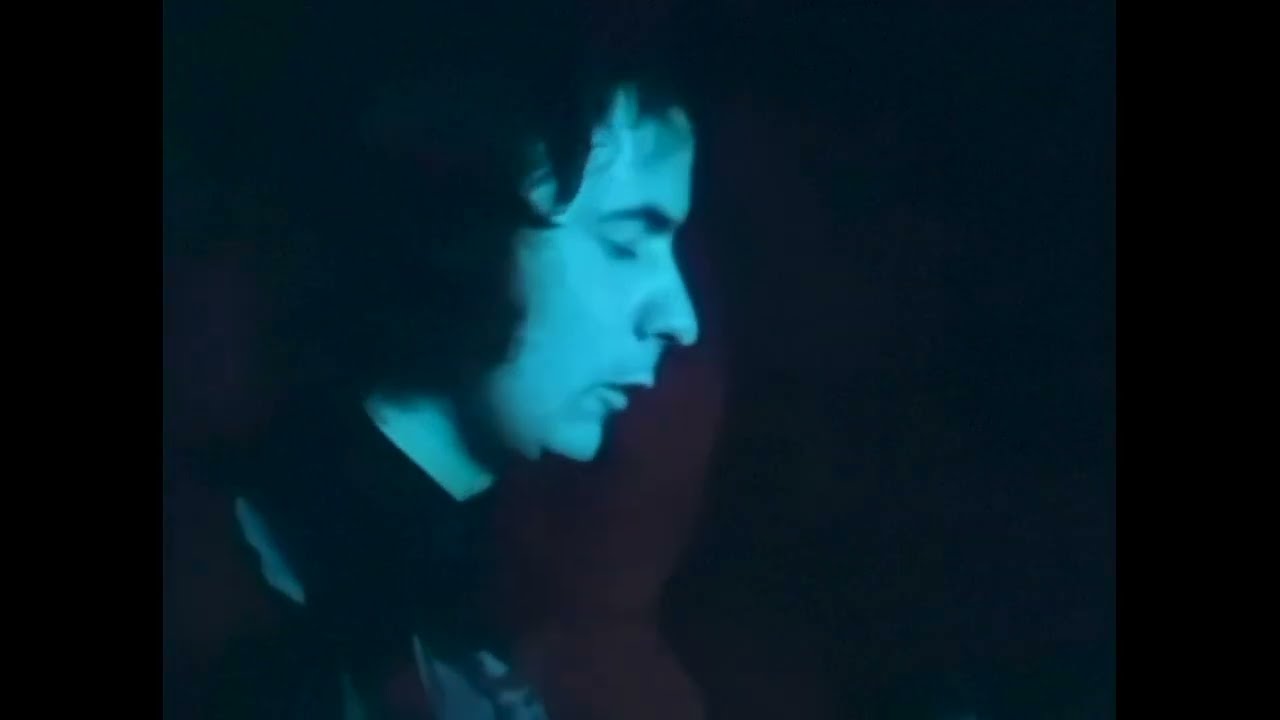
The "more drums" approach was reflected in Cozy Powell's colossal launchpad for Stargazer, a clattering, rapid-fire tour-de-force that remains one of rock's greatest drum intros. The track itself was built around a cello-inspired main riff, but the highlight was Blackmore’s uninhibited lead playing and searing slide work – a recent addition to his already superhuman repertoire. The sweeping, Eastern scales add to the grandiosity.
“It’s amazing how many guitarists use the same old lines,” said Blackmore. “They never dare touch Arabic or Turkish scales.”
For added grandeur, Blackmore brought in the Munich Symphony Orchestra, led by conductor Rainer Pietsch. But not everything went to plan.
“The orchestra was too flowery, and there was too much detracting from the simple melody,” Blackmore said in retrospect. ”We kept taking out parts, and I felt sorry for Rainer because he was so proud of this grandiose piece he had written. We got down to the bare bones, and mixed in some Mellotron to even out the orchestra not sounding cohesive or in tune.”
And those fantastical lyrics?
"Stargazer is written from the standpoint of a slave in Egyptian times," explained Dio. "He is serving The Wizard, who observes the skies and stars and becomes obsessed with the idea of flying. The slaves are building a tower of stone so The Wizard can jump off the top and take to the air.
"Finally, this Wizard, this Stargazer, attempts to fly and, of course, falls to his death. The slaves are released, and this is where the song Stargazer ends, and Light In The Black begins. The Wizard has died and the slaves are free, but all they've known all their lives is an allegiance to the Stargazer. They don't know where to turn or what to do until they see the light in the dark."
The finished song was the towering centrepiece of the album. With Dio’s voice flying higher than it ever would over Blackmore’s earth-shaking riff, the sound swelled by the Munich Philharmonic Orchestra, this was nothing less than their Kashmir. Even Deep Purple's Roger Glover, admiring from a distance, called it "a masterpiece."
Blackmore, too, was delighted with the result. "Stargazer features a 42-piece orchestra, mellotron, and a string thing all playing this half-Turkish scale," he said. "This is my favourite track of the lot."
Later that year, Rainbow embarked on a world tour that took them to four continents in six months, but surprisingly, some of the new songs didn't make the setlist. “For some reason, the tempo for Tarot Woman didn’t translate for the stage,” Blackmore said. “Same with Stargazer. Which was a pity.”
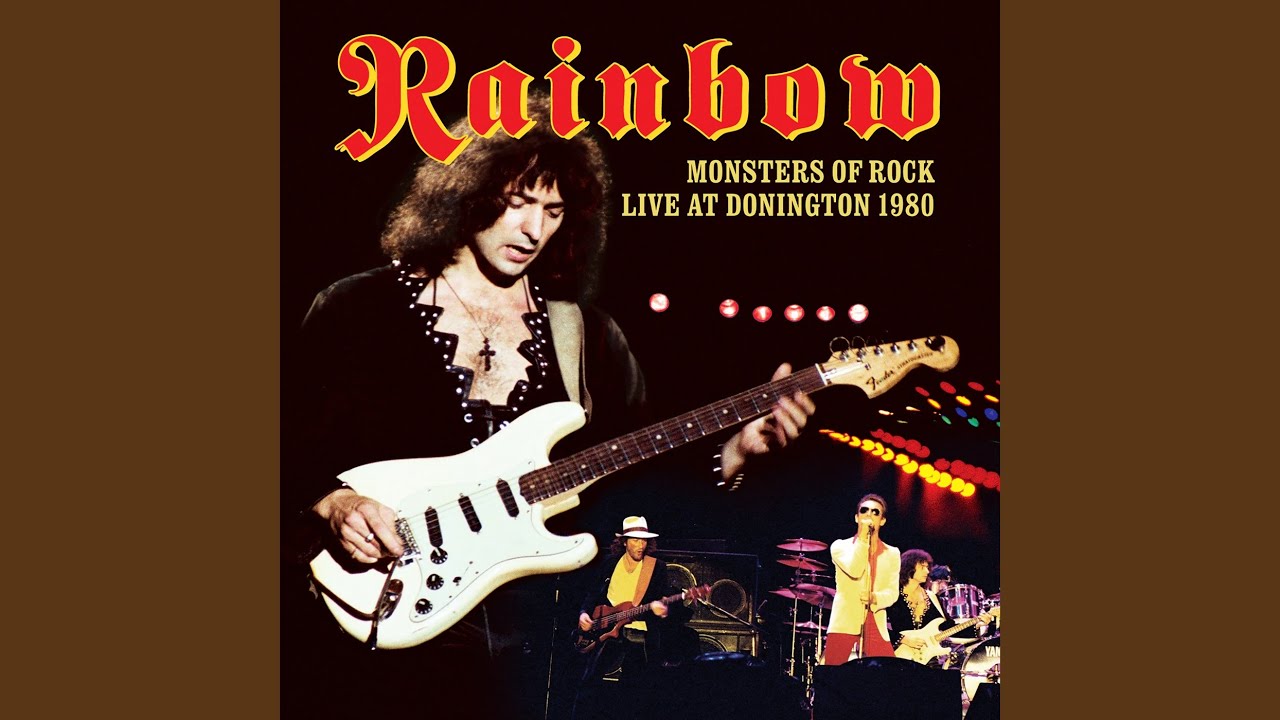
Four years later, with Dio gone and new man Graham Bonnet at the mic, Rainbow headlined the inaugural Monsters Of Rock festival, held at the now-familiar Castle Donington racetrack in the East Midlands.
There, in front of a crowd of 60,000, arriving on stage after sets from Touch, April Wine, Riot, Saxon, Scorpions and Judas Priest, Rainbow Mark IV – with Cozy Powell playing his last show with the band – turned in a toothless, lacklustre show, with Bonnet somehow forgetting the words to an otherwise titanic version of Stargazer.
“We weren’t at our best that night,” Bonnet said. “It was disappointing because we were losing Cozy and we were tired. The organisers had expected a small crowd, but it ended up being fucking huge, so it still was the most incredible night that I’ve ever had.”
There are many epic Rainbow tracks, but this is the mother of them all.

