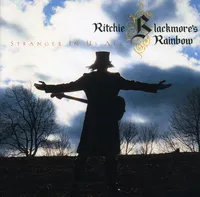





He is one of the great enigmas of rock’n’roll: the visionary guitar hero who created some of the greatest heavy rock music of all time, but went on to play Renaissance folk music, then returned to rock when everyone least expected it; the hyper-sensitive, virtuoso perfectionist with a ruthless Machiavellian streak; the moody ‘Man In Black’ with a penchant for practical jokes.
What is certain about Ritchie Blackmore is that he’s one hell of a guitar player. In a recording career of more than 50 years, he has earned a reputation as one of the most extravagantly gifted and influential musicians in rock history.
He is worshipped by fans such as Metallica drummer Lars Ulrich, who was just nine years old when he saw Blackmore performing with Deep Purple in Copenhagen. As Ulrich once said: “Blackmore epitomised this fascination I had with the bare essence of rock’n’roll, this element of danger.”
Moreover, Blackmore’s brilliance has been acknowledged even by those who have found him difficult – or indeed impossible – to work with. Deep Purple singer Ian Gillan called his former colleague in that band “a giant among guitar players”. Ronnie James Dio, who worked with Blackmore in Rainbow in the 70s, referred to him as simply “a genius”.
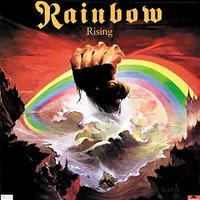
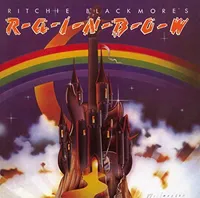
It was with Deep Purple that Blackmore became legendary, but his legacy extends far beyond Purple. In the early 60s he served his apprenticeship as a session musician and member of The Outlaws. With Rainbow, the band he formed after quitting Purple in 1975, he made nine studio albums, including such classics as Rising and Down To Earth.
Since 1997 he’s worked with American singer Candice Night – now his wife – in the folk-rock group Blackmore’s Night. This phase of his career has drawn ridicule from some, who find the sight of a rock icon playing a lute while dressed in faux-medieval garb farcical. Purple’s drummer Ian Paice even joked about Blackmore’s demeanour during his last days with the band in 1993, suggesting that Ritchie was suffering from “pre-minstrel tension”.
But, if anything – and perhaps even more since Rainbow surprised everyone by briefly re-emerging with little-known new singer Ronnie Romero in 2016 – Blackmore’s Night proves a truth about Ritchie Blackmore that has been evident since he first became a star: this is a man who plays by nobody’s rules but his own.


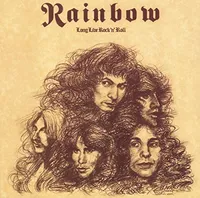

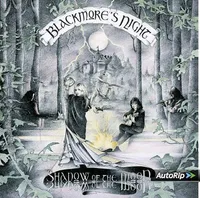
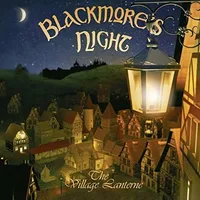
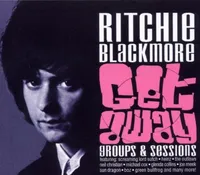
...and one to avoid
You can trust Louder Our experienced team has worked for some of the biggest brands in music. From testing headphones to reviewing albums, our experts aim to create reviews you can trust. Find out more about how we review.