


In 1996, while discussing ZZ Top’s career-reviving MTV surge circa Eliminator more than a decade earlier, Billy Gibbons was asked if he and bandmate Dusty Hill had considered shaving off their beards and becoming Duran Duran.
“For about this long,” replied the guitarist, holding his thumb and forefinger a smidgeon apart. “One look in the mirror and we ain’t gonna make that one!”
Watching videos for Eliminator songs on MTV at the time, ZZ Top bassist Dusty Hill concurred with Gibbons’ grave assessment of their looks.
“I don’t belong on TV, I should be in a circus!” he told his bandmate, lamenting his “17-inch neck”.
In lieu of chiselled jawlines, peroxide-blond highlights and guy-liner, ZZ Top had charisma, eccentricity and raw talent. With various leggy models starring alongside them in their promo-videos, moreover, ZZ’s dearth of sex-appeal scarcely mattered.
Self-aware and business savvy, Gibbons, Hill and drummer Frank Beard weren’t done with MTV yet. More importantly, MTV wasn’t yet done with ZZ Top. It helped that Eliminator’s 1985 follow-up, Afterburner, also traded
in playful, sassy videos, and was again big on gritty ‘cyber-blues’ part built upon sequenced synthesiser and drum-machine.

Better yet, Gibbons and Hill weren’t for shaving. Their sizeable beards weren’t just camouflage; they were key to the look that made them so recognisable. So as Afterburner launched - replete with futuristic cover-art that saw ZZ’s 1933 Ford Coupe hot rod morph into a space shuttle - that little ol’ band from Texas still had pep, momentum and commercial appeal.
MTV’s support for the album’s US No.8 single Sleeping Bag said as much. Its attendant video reprised visual tropes from the promos that had helped propel Eliminator, and again featured statuesque actress and model Kymberly Herrin, who had starred in the video for ZZ’s 1984 single Legs. Eliminator and Afterburner’s titles, meanwhile, chimed and felt sequential; crafty record company-speak for ‘here’s more of what you loved before’.
It was all clever, somewhat calculated stuff, but few folks if any begrudged Gibbons, Hill and Beard more music-television-fuelled celebrity. Madonna’s rep as ruler of 80s MTV was hardly under threat, but the better singles from
ZZ Top’s ninth LP - Sleeping Bag; Rough Boy; Velcro Fly - kept them on-screen and in households. Fun, too, to watch three gnarly dudes in shades and Stetsons disrupt Madge’s reign every hour or so, their videos on heavy rotation.
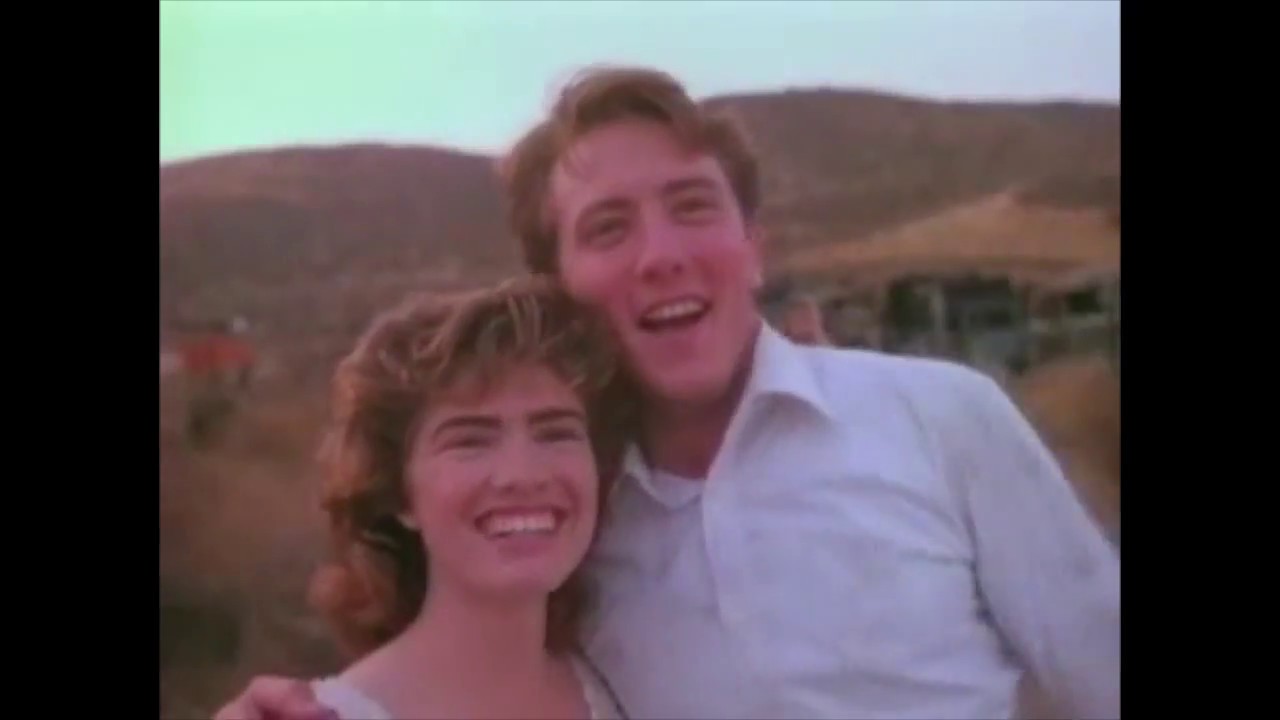
Afterburner was the first ZZ Top LP since 1972’s Rio Grande Mud not to feature input from trusted engineer Terry Manning, who was unavailable. Recorded from March-July 1985 at Ardent Recording in Memphis with long-term producer Bill Ham, it peaked with the down-tempo power ballad Rough Boy. The album’s third single thrived on the contrast between its poppy keyboards and Gibbons’ filthy, pinch-harmonic-spitting guitar.
“The pretty music had to have a rough boy in it,” the guitarist told Spin in 1985, while Dusty Hill later recalled “I like that song so much, I had it played at my wedding.” Hill and his wife Charleen McCrory had been an item for at least
a decade before they married in 2002. Rough Boy’s lyric about a guy who thinks he’s punching above his weight girlfriend-wise might explain why it took Hill so long to pop the question.
Elsewhere on Afterburner, things were more typically ZZ Top, i.e. graphic rather than romantic. It’s safe to assume that straight-ahead, synth-bass-underpinned rocker Woke Up With Wood isn’t about a sleepover at the abode of a certain Rolling Stones guitarist, while Dipping Low (In The Lap Of Luxury) is unadulterated filth set to a riff that shares DNA with that of Eliminator’s Gimme All Your Lovin’.
Afterburner reached No.2 in the UK Album Charts and would eventually go five times platinum, but it didn’t have as much wit, imagination and quality-control as Eliminator. The title Afterburner made perfect sense, moreover, since it was primarily the residual white heat of Eliminator’s success that steered folks to the follow-up. But Rough Boy was genius; right up there with the Eliminator hits.

Remarkably, ZZ Top’s May 16, 1986 slot on The Tonight Show Starring Johnny Carson was the trio’s first ever live TV performance. Carson’s musicians, The NBC Orchestra, supplied ZZ with a brass section, while bandleader Doc Severinsen and Carson himself sported fake beards and shades for the occasion.
A nervous Billy Gibbons fluffed his vocal entry on Sharp Dressed Man, but he soon recovered for some synchronised choreography with Dusty Hill. The pair wore shades, sharp suits and pink baseball caps, and had matching Gibson Explorer-shaped guitars. Beard’s fingerless leather gloves were as close as he got to sartorial excess.
The Afterburner World Tour stretched well into 1987. Its futuristic, state of the art stage set was designed in conjunction with Ty Reveen, son of Australian illusionist Peter Reveen, and the pièce de résistance was a 20-foot-tall longhorn skull with laser beams for eyes. At curtain-up, the bull skull would snort up the white sheet covering Frank Beard’s drums. Hey presto: a playful simulation of the era’s ‘chop ’em out’ excesses.
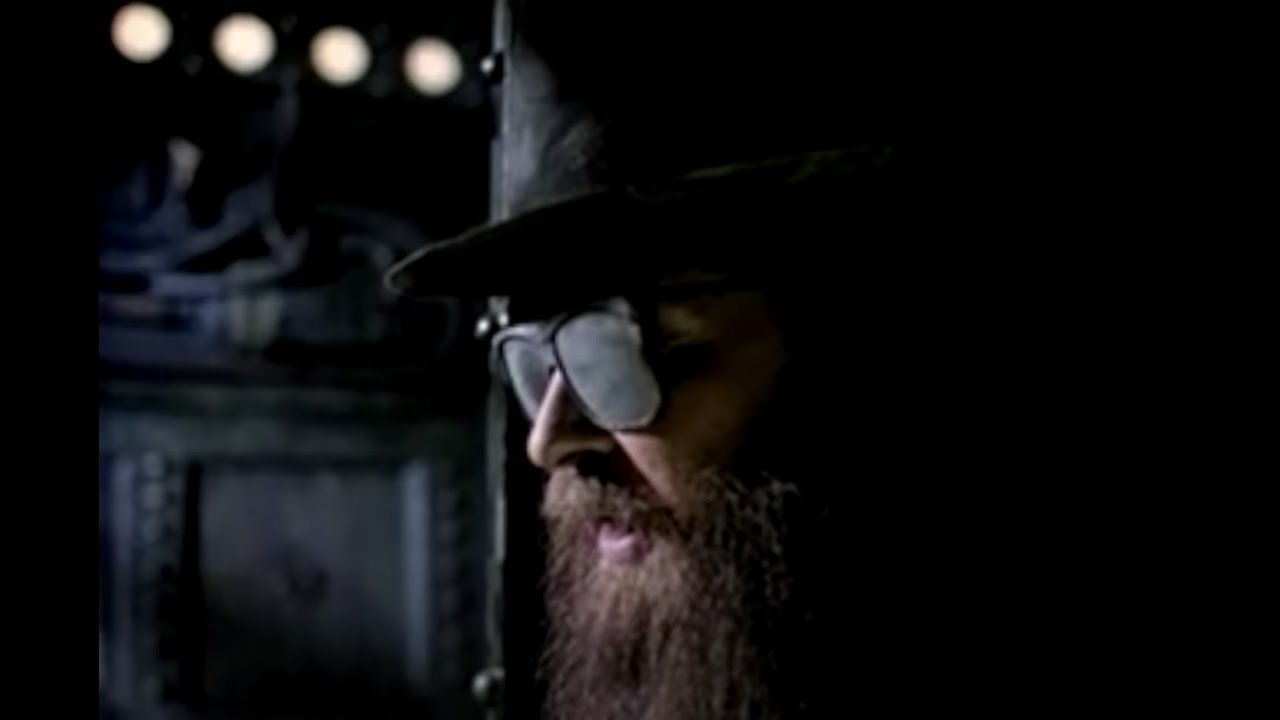
Meanwhile Warner Bros released The Six Pack, a box-set of ZZ Top’s first five albums plus 1981’s El Loco. All six LPs had been bastardised with new, ‘more contemporary’ drums and guitar effects, in a misguided attempt to milk the Afterburner effect.
It was perhaps wise that ZZ now laid somewhat low until 1990’s Recycler. The record’s title suggested it was part of a stylistic triptych with Eliminator and Afterburner, but though it had been envisaged as such, it marked a change of direction.
“Under the microscope, the previous two albums would be classified as our most production-orientated records,” said Gibbons. “We really were getting experimental. But with Recycler, we set up in the studio in Memphis and the first thing we did was My Head’s In Mississippi, our homage to Howlin’ Wolf and the gang. We’d been to the Delta Blues Museum [in Clarksdale, Mississippi] and it influenced us quite a bit. We got a bit bluesier again.”
A longer version of this feature appears in Classic Rock Presents ZZ Top, a brand new magazine dedicated to the Little Ol’ Band From Texas. Order it online and have it delivered straight to your door.

