


1969 was a monumental year for Creedence Clearwater Revival. The band had already scored two platinum-selling albums and a trio of massive hits – Proud Mary, Bad Moon Rising and Green River – by the time Fortunate Son was released in September. However, unlike most of their repertoire, which tended to fetishise the rural American South, Fortunate Son was a burning commentary on class and elitism, delivered against the sulphurous backdrop of the Vietnam War.
“I was mad at the spectre of the ordinary kid who had to serve in an army in a war that he was very much against,” explained CCR songwriter and frontman John Fogerty. “Yet the sons of the well-to-do and powerful didn’t have to worry about those things.”
The frontman barks out the verses with a vigour born of contempt: ‘Some folks inherit stars-pangled eyes/They send you down to war, Lord/And when you ask them, ‘How much should we give?’/They only answer, ‘More! More! More!’’
Fogerty had a specific person in mind when he wrote the song: David Eisenhower, grandson of former US President Dwight D Eisenhower. In late 1968, the younger Eisenhower had married Julie Nixon, daughter of President-elect Richard Nixon, in a lavish ceremony in New York. Fogerty saw their union as a metaphor for the social and political divisions of the countercultural era.
“You’d hear about the son of this senator or that congressman who was given a deferment from the military or a choice position in the military,” he wrote in his 2015 memoir, Fortunate Son. “They seemed privileged, and whether they liked it or not, these people were symbolic in the sense that they weren’t being touched by what their parents were doing. They weren’t being affected like the rest of us.”
"I went into the bedroom, sat on the edge of my bed with a yellow legal tablet and my felt-tipped pen. Out came the song. 'It ain't me, it ain't me, I ain't no fortunate son.' I was screaming inside, very intense, but not saying a word. Out it came, onto three sheets of legal paper."
The song is all the more powerful for its sheer simplicity. Lasting less than two-and-a-half minutes, Fortunate Son opens with a two-note guitar twang and hurtles along with only a short pause for air.
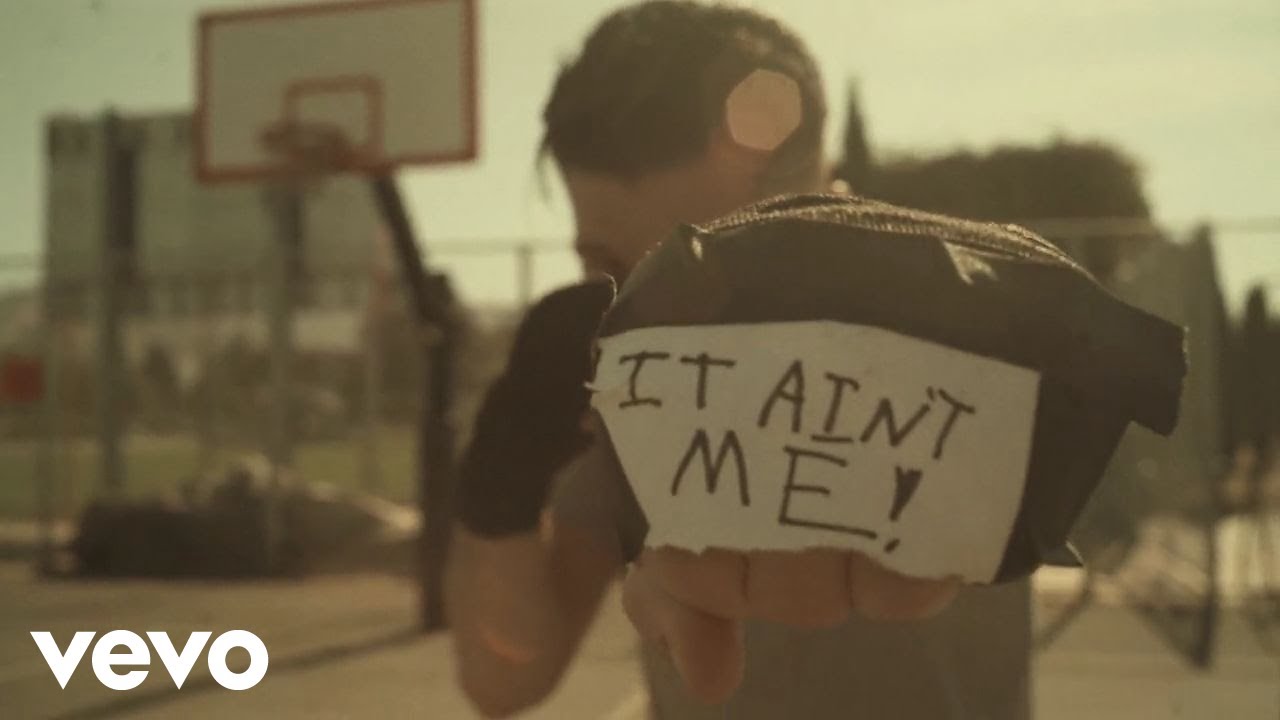
The wracked intensity of Fogerty’s voice, already shot from recording Down On The Corner earlier that day, perfectly captures the rage and frustration at the heart of his subject matter. The chorus is an unbridled howl of protest: “It ain’t me, it ain’t me/I ain’t no military son/It ain’t me, it ain’t me/I ain’t no fortunate one.”

Peaking at No.3 in the US in December 1969, a month after Nixon had appeared on television calling for national unity over the conflict in Southeast Asia, Fortunate Son only served to highlight the widening schisms in America.
It still does, more than half a century later, with the current presidential incumbent playing Fortunate Son at his rallies, most likely oblivious to the song’s meaning. In 2020, Fogerty issued a cease-and-desist notice, happily drawing attention to the President's five draft deferments.
"Years and years ago, I remember saying something about, ‘Richard Nixon, man, he is a source of endless inspiration'", Fogerty told Classic Rock. "I could probably say the same about Mr Trump. I wonder, where are all the other creative writers? I mean, come on, you guys and gals, get out there! There’s a whole lot to write about here."
In 2025, in an interview with Vulture, Fogerty went further and singled out Fortunate Son as his 'most misunderstood song'.
"That’s misunderstood by a small percentage of people - people who seem to be conservative, right-wing, and probably Republican or some other 'ism' in that category," said Fogerty. "And most notably by Mr Trump. It’s happened before where people thought it was a patriotic ditty to wave the flag and all that, not really understanding the cynicism and absolute defiance I had in the song.
"I mean, even if you don’t hear the rest of it, you should at least hear, 'It ain’t me, I ain’t no fortunate son'. But if you don’t, then I guess you’re able to see the song in a different way."
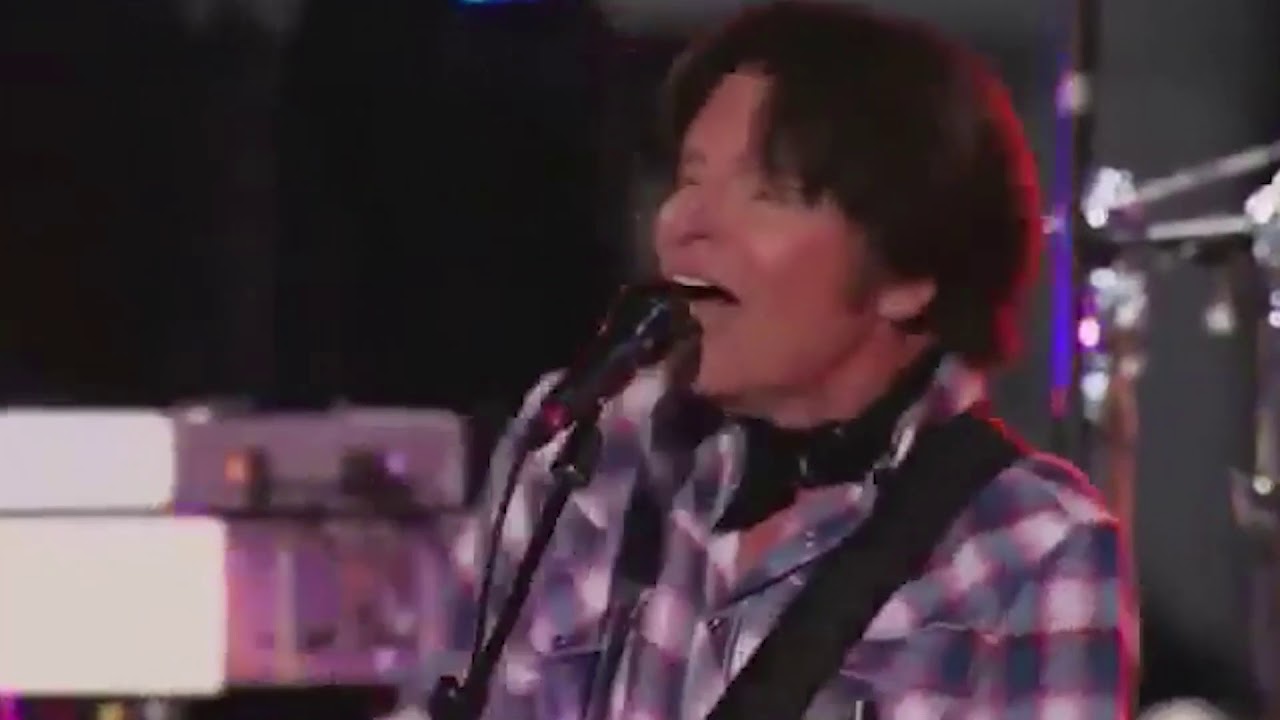
Fortunate Son's place in history is secure. In 2014, it was added to the Library Of Congress's National Recording Registry for being "culturally, historically or aesthetically significant."
Like any significant song, it's been covered. By U2, Bob Seger, Clutch, Corrosion Of Conformity, Foo Fighters (with Fogerty), Santana, D.O.A., Minutemen, Bruce Springsteen, Circle Jerks, Joe Lynn Turner and dozens more.
And in 2025, Fogerty rerecorded Fortunate Son for his Legacy: The Creedence Clearwater Revival Years collection, the album he made to celebrate regaining his publishing rights after half a century of legal battles. It was the final track on the album, still an emphatic, ever-visceral smackdown to those who abuse privilege.

