


Musical chameleons Ulver have reinvented themselves yet again. With 14th album Neverland they’ve turned away from the progressive synthpop of their recent releases and delivered something more atmospheric. Mainman Kristoffer Rygg looks back on the personal strife and decades of deviation that paved the way.
Kristoffer Rygg was a genre-hopping kid, he explains in his deep, unwavering voice, and he’s grown into a genre- hopping musician. Since co-founding Ulver more than 30 years ago, he’s dabbled in contemporary classical music, industrial rock, electronica, ambient and jazz.
Their most recent focus – stretching from 2017 album The Assassination Of Julius Caesar to 2024’s Liminal Animals – was a proggy twist on the kind of synthpop he loved in his school days.
“It’s sort of exhausting to make those kinds of records,” the singer and multi-instrumentalist says, reflecting on that just-ended era, “with the lyrics and the honing of every little detail and the obsession with ‘perfection’ that’s involved. A lot of people think that pop music is simple, but in many ways, it’s the most difficult type of art to master. I guess that’s a cliché, but it’s true. It takes a lot out of you.”
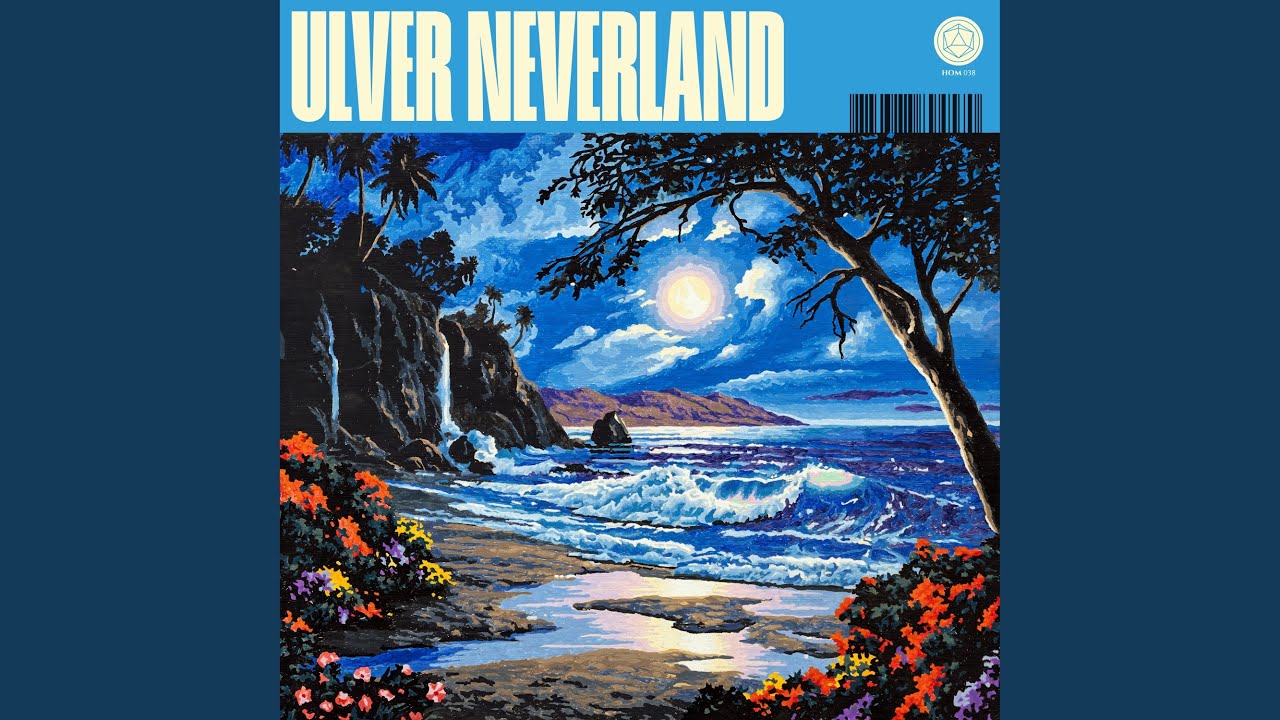
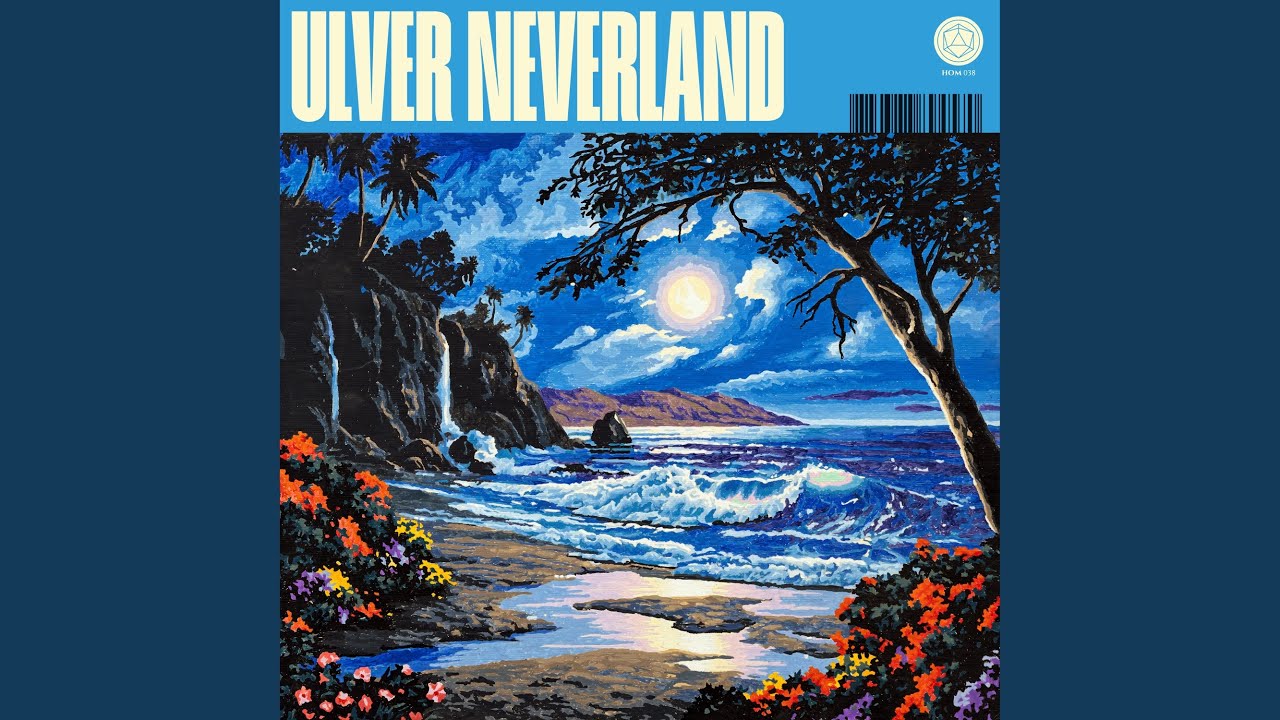
In 2025, Ulver (Norwegian for ‘wolves’) evolved again. No longer passionate about tight structures and crooning choruses, and sick of fussing over every aspect of every song, they retreated to their studio and simply created. They made their 14th full-length album, Neverland: a semi-improvised, instrumental, atmospheric trip that defies convention.
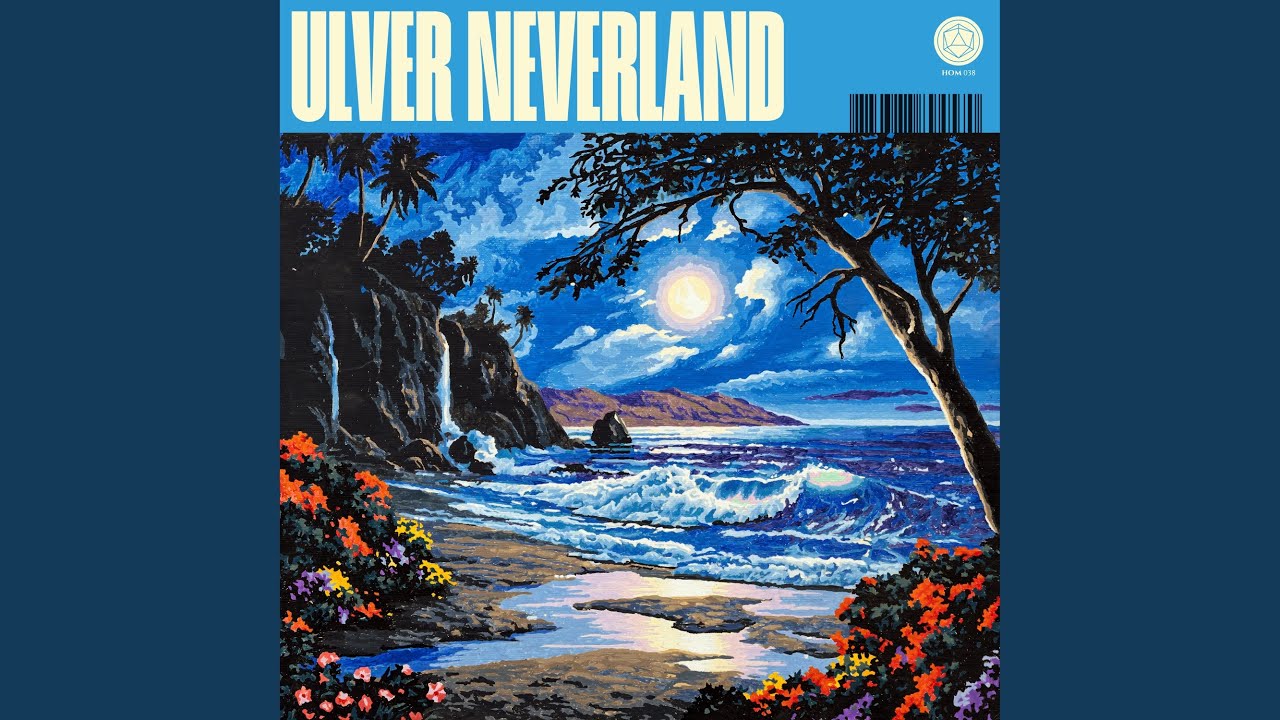
The opening song, Fear In A Handful Of Dust, is an ambient piece with chirping birds, rising keys and a spoken-word section quoting TS Eliot. Quivers In The Marrow evokes the haunting space-jazz of Vangelis’ Blade Runner score, whereas People Of The Hills is the kind of pulsing dance piece you’d hear at the world’s seediest nightclub.
SImply asking why Neverland sounds the way it does isn’t enough to understand it. Rygg talks about switching from progressive pop to hook-free, experimental suites as if it’s the most logical thing you can do. “We basically met up two, three days a week to see what would happen,” he says.
The roots of this album are more subconscious and date back decades. For starters, Ulver have always been –in Rygg’s words – a “fuck those guys and their rules” kind of band. When they started in the early 1990s, they dealt in abrasive, screeching metal and stripped-back folk. Their irreverence made them an integral part of Norway’s black metal movement: a scene of angry young men who sought to violate boundaries both musically and socially.
Some key players courted controversy by burning down churches and murdering people, but Rygg steered clear of such extracurricular activities. “Being part of a community wasn’t the main artistic drive,” he remembers, “but it certainly was a scene where everyone egged each other on. It was quite competitive, in a sense. There was a whole group of people surrounding it that pushed it, both positively and negatively.”
The genre eventually calcified, becoming accepted and even trendy among hard rock hipsters. It was around then that Rygg grew bored of it. “You have to keep in mind that I recorded [Ulver’s 1994 debut album] Bergtatt when I was 18,” he says. “I was basically just a boy! At that time it’s important to get respect from the ‘right’ people and so on. By ’96 or ’97, I was getting pretty fed up with it, as simple as that. A lot of people came to it that I didn’t identify with.”
So, for the first time, Ulver did what they’ve done on Neverland, not to mention many albums before: they changed everything. Rygg was inspired by the techniques he’d picked up at his job in a mastering studio (“That opened a lot of doors”). Plus, while recording with his avant-metal side-project Arcturus, he’d met Tore Ylvisaker, and he was so impressed by his approach to sampling and mixing that he brought him into Ulver.
Their first album together, 1998’s Themes From William Blake’s The Marriage Of Heaven And Hell, was an electro-industrial behemoth, its lyrics adapting the namesake text. Rygg is characteristically understated when looking back on the reinvention of Ulver. “I didn’t think too much about it, to be honest,” he admits.
For reasons off the record, certain people started to withdraw and others continued. There was a rift there
“Tore and I were the main architects behind that release. There were lots of us involved and doing cool things, but the two of us were basically living in the studio for a year and a half. We were living and breathing the music and not thinking too much about the rules, or who or what we were supposed to be.”
Themes was so daring that Ulver’s then-label refused to release it. “I was quite stoked about that music; I started to send Century Media some demos and they weren’t as impressed,” Rygg remembers with a rare laugh. “There was no big beef, but it ended with me borrowing money from my father and Ketil Sveen [co-founder of Oslo label Voices Of Wonder] and buying the master rights back. I ended up releasing the whole thing myself, which was quite risky and costly. The album actually did really, really well.”
Vindicated, Ulver existed like this for decades: with Rygg and Ylvisaker at the helm, they switched genres at will, not caring about the potential backlash. But then came the second inciting incident for Neverland. Around the time that the band were beginning to burn out on their synthpop sound in the early 2020s, there were issues within the line-up.
“For reasons off the record, certain people started to withdraw and others continued,” is all Rygg says. “There was a rift there.” When production started on Liminal Animals – which planted the seeds of this new, atmospheric era with its Nocturne interludes – Ylvisaker was no longer in the fold. In August 2024, four months before the album’s release, he passed away on his 54th birthday. His cause of death has never been disclosed.
Rygg won’t talk about Ylvisaker’s final years, but he calls working on Neverland “therapeutic” after that period of turmoil. He needed to make something joyous, different and escapist, leading to what he and his remaining bandmates describe as a “fantasy” album. “It wasn’t a new beginning, but we put something heavy behind us,” he says.
I’ve become that guy – I look forward to the coffee on Monday and a studio hang more than some Saturday-night debauchery
“We opened the door and started taking some joy in just going to the studio again, seeing what we could cook up. I think that’s what this album is about: freedom, basically. There are no words, which has been okay for me personally, not having to think about that. It was a bit more playful, whereas Liminal Animals was born out of a real darkness.”
With the members re-energised, this umpteenth iteration of Ulver is only getting started. Rygg hints that Neverland will be the launchpad for a trilogy of records, and reveals that the band have already started writing new music. He also intends to make the studio their sanctuary, with no touring plans on the horizon.
Recording and producing music has been the frontman’s job for his entire adult life, and he’s now reached a point where he enjoys it more than his days off. “I was a party boy,” he observes. “But now, we joke between us, I’ve become that guy – I look forward to the coffee on Monday and a studio hang more than some Saturday-night debauchery. Time is short and I have things that I need to make before I die.”
Neverland is on sale now via House Of Mythology.

