

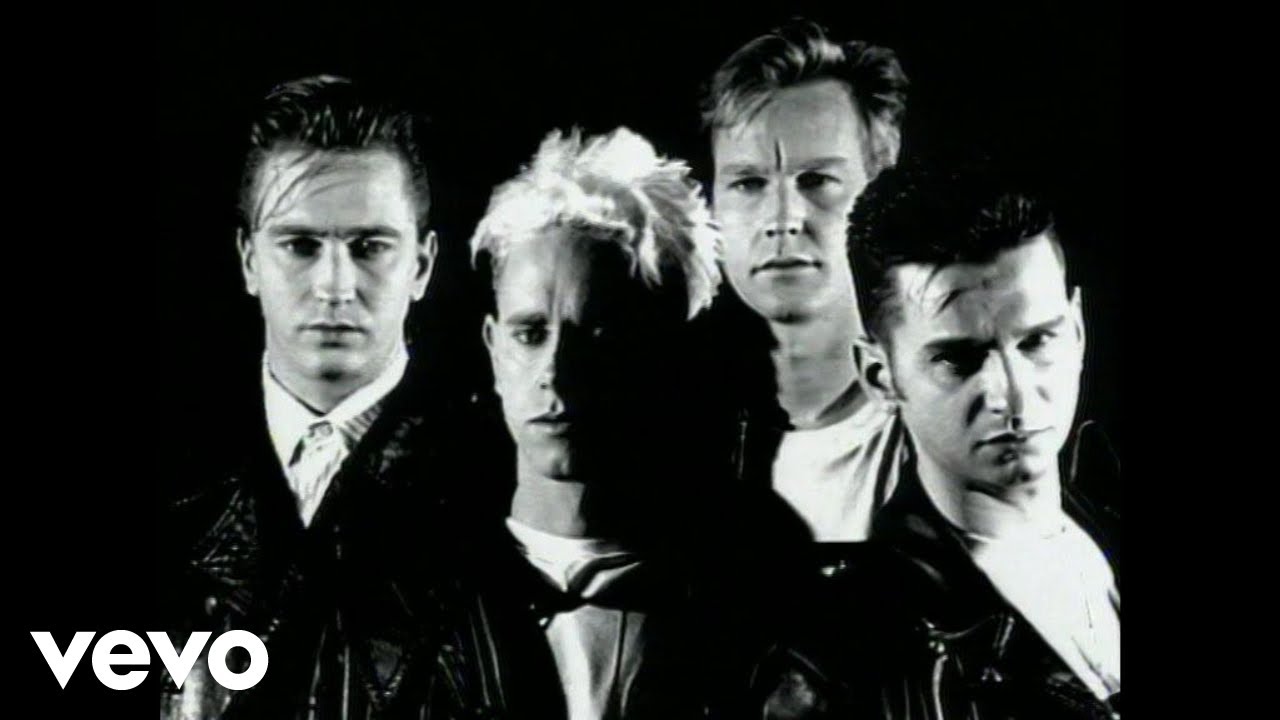
Looking at it from the outside, Depeche Mode were one of the biggest success stories of the 80s. The Basildon electro pioneers had morphed from poppy upstarts into a darker, more muscular proposition by the decade’s end. They had basically become a rock band with synths. On their imperious seventh album Violator, they became a rock band with synths and guitars.
Not that the band’s chief songwriter Martin Gore thought it would make a difference. For all of their achievements – and, by this point, they were a stadium band in the US – Gore felt frustrated by their record sales.
“We felt like we were hitting our heads against the wall in America,” he told this writer in 2017. “All of our albums from Some Great Reward to Music For The Masses seemed to do the same and we expected Violator to do the same thing.”
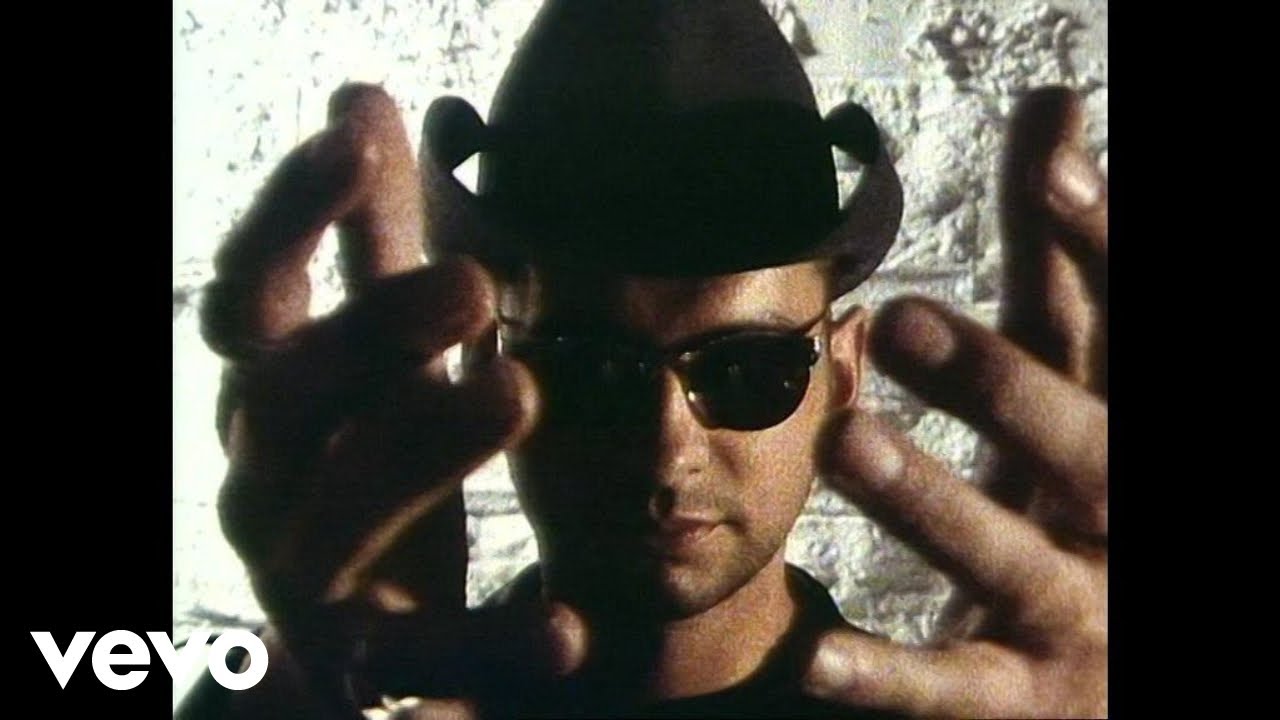
But fate had other ideas. Violator, released in March 1990, was the moment when all the progress they’d made in the 80s reached critical mass. It wasn’t just the fact that it was their most complete collection of songs, either (speaking to me in 2017, late member Andrew “Fletch” Fletcher described it as a “perfect 10” record and he was bang on), there was something in the air too.
This was their time, and there is nothing that sums that up more than the infamous LA riot caused by the band’s signing session at record store The Wherehouse. It was a night of chaos, disorder and excitement where one very, very long queue sent Depeche Mode stratospheric. Not even Martin Gore could argue with their popularity now.
In fact, rather than pat himself on the back for writing the songs that had Violator selling in its millions, Gore is of the opinion that their big breakthrough in the US is down to The Wherehouse riot.
“We were fortunate that the Wherehouse Records signing turned into a riot,” he told me. “It made us national news. I think that was the thing that tipped us over the edge there, all these people in rural areas and places we’d never been were seeing us on the news, thinking, ‘Who is this band? Maybe I’ll check them out.”
It was meant to be a fairly innocuous evening. To celebrate Violator’s release, the group’s label Sire teamed up with LA record station KROQ-FM and arranged for the band to sign copies of the new record for fans at The Wherehouse, situated on La Cienega in LA.
But the band’s hardcore fans in the city had assembled. And, by the sounds of it, they’d convinced every family member and neighbour to assemble too, because by the time the event started on the evening of 20th March, 1990, estimates suggested that over 10,000 fans had lined the streets around the record store in a bid to get in.
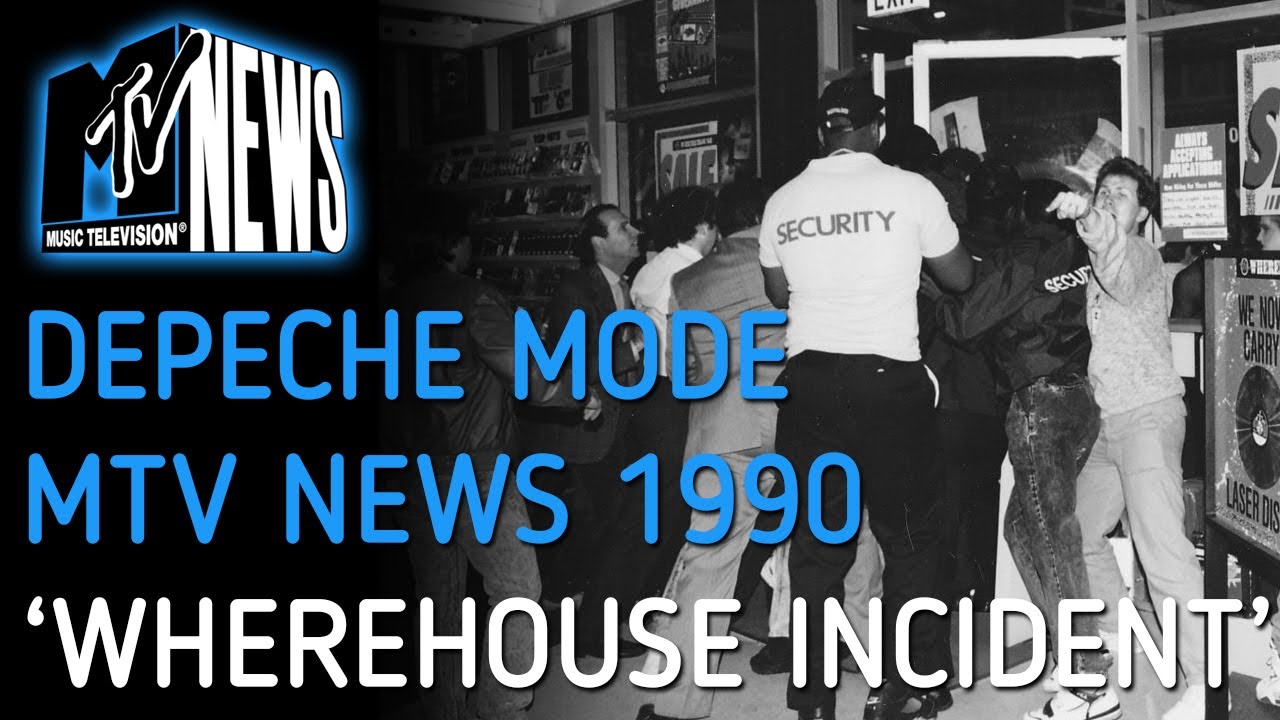
It quickly became obvious to the organisers that, unless the band commit to signing autographs for the rest of the year, there was no way the band were going to be able to see everybody who’d turned up.
“I was negotiating with them about how many autographs they would sign,” recalled Howie Klein, their label president. “Since there were a billion people there and they weren’t gonna sign a billion autographs, how far down the line are we gonna get?!”
The crowd began pushing forward whilst some fans attempted to force their way inside their store. With the shop’s security ill-equipped to deal with such huge numbers, and the queue stretching on for 15 blocks, the police had had enough. Just an hour into the session, they shut it down. Depeche Mode fans did not take it well.
The band were escorted back to their hotel and, switching the news on, saw the carnage unfold. Some disgruntled punters banged on the windows of The Wherehouse, others threw beer bottles from high up where they’d gathered on the parking garage opposite, and some were stood on top of news trucks, car windows broken, property vandalised.
Eventually, 200 police units were on the scene, with LAPD helicopters hovering above and police in riot gear barricading the streets.
“It actually got quite scary,” frontman Dave Gahan commented. “The whole thing got a little bit out of control. There was no way we could have known that there was going to be so many people turn up. They have these huge glass windows and fans were pushing up against the window. You could feel the atmosphere in the place building up. We just all kind of looked at each other and said, 'We gotta get out of here!'"
For Gore, the feeling was one of relief. He’d been feeling peaky even before his band caused a national incident. “Apart from all the riot stuff one of the funniest things about that evening was that I was being really ill and I didn’t think I was going to make it,” he stated. “I managed to pull myself together and get to the store and then there was obviously far more people than we expected. Official estimates were about 15,000 and when people realised they weren’t all going to get in, they started getting a bit restless.”
The police dispersing the masses did him a favour, he said. “It was quite fortunate for me, cos I was ill.”
In the immediate aftermath, the group attempted to play it down. “It wasn’t really a riot,” protested keyboardist Alan Wilder. “Let’s get it straight. Chelsea on a Saturday afternoon, that’s what I call a riot.” Wilder, for the record, is a QPR fan.
What is true is that they did try and make it up to the thousands of disappointed fans who left empty-handed. A cassette titled The Wherehouse 3/20/90, which was distributed by mail order, included an interview from the event alongside news report snippets documenting the building frenzy outside and a previously-unreleased remix of Some Great Reward cut Something To Do.
The incident at The Wherehouse went deeper than that, though. Violator became Depeche Mode’s biggest album in the US and the band never looked back. But it is also true that they never did another record store signing session in LA again…

